Mesenchymal stem cells and empagliflozin: a potential therapeutic approach for autophagy and Klotho modulation in diabetic kidney disease
Abstract
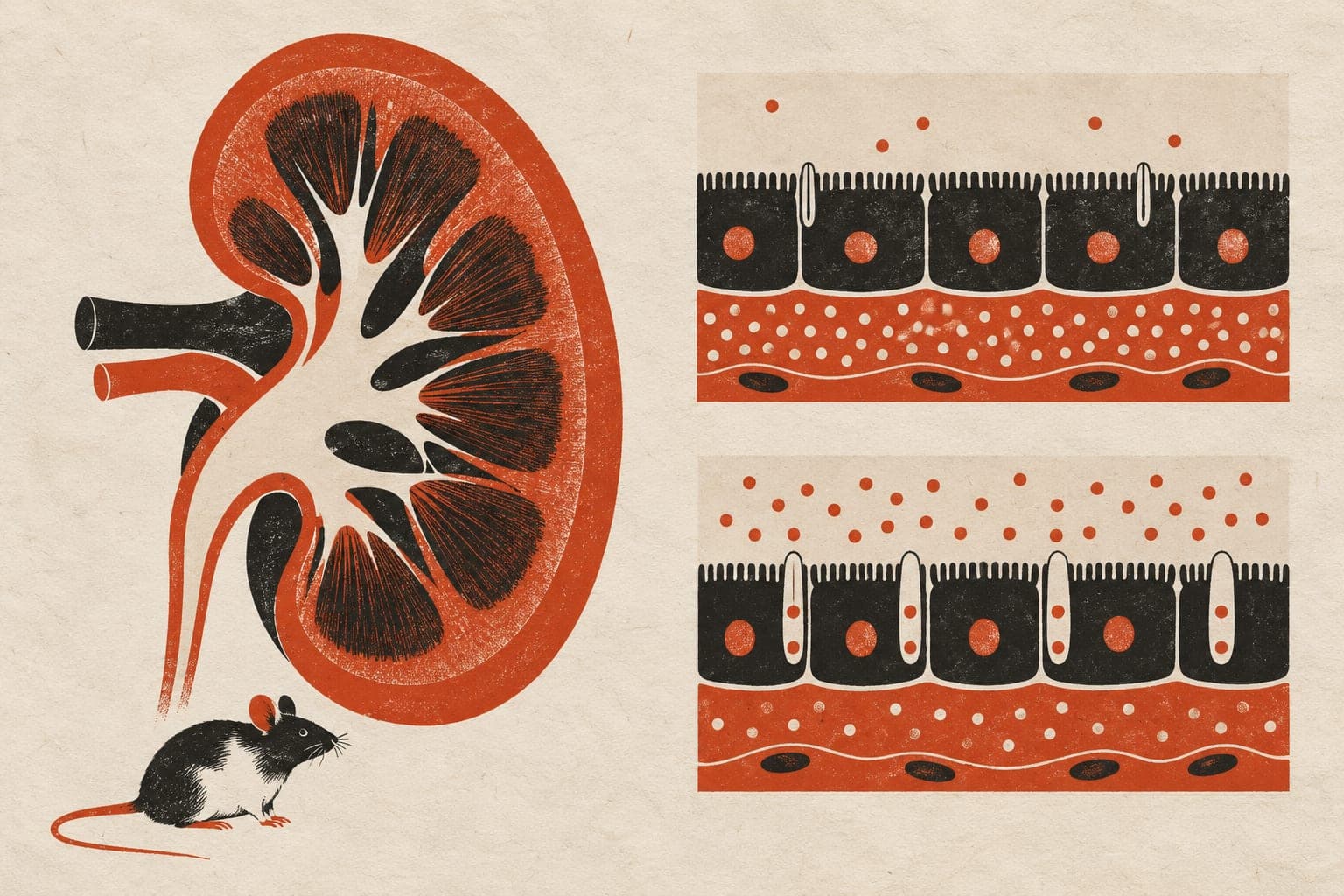
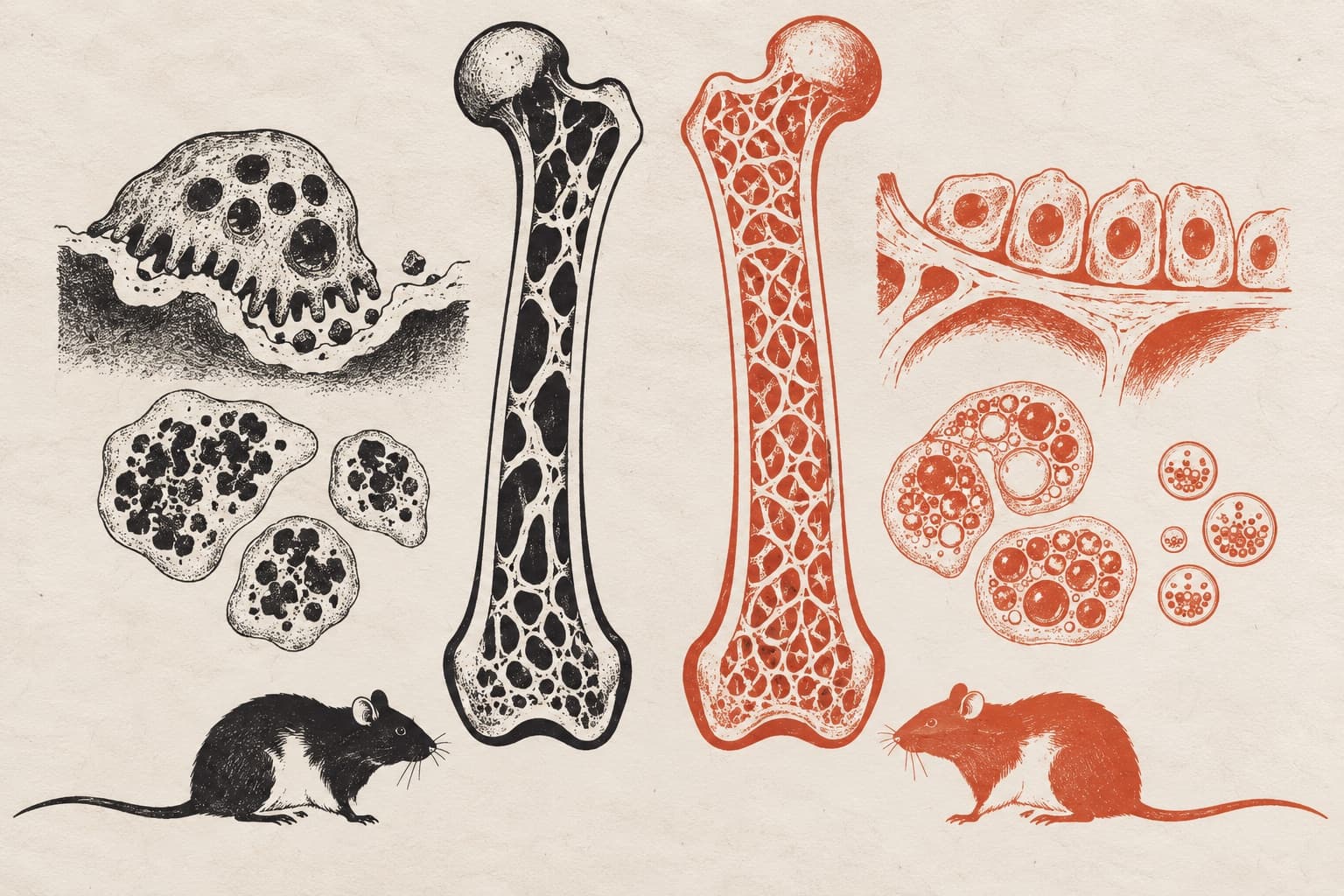
BACKGROUND: Diabetic kidney disease (DKD), the leading cause of end-stage renal disease, involves injury across multiple renal compartments. Autophagy dysregulation is a key pathogenic mechanism and may reduce Klotho, a renoprotective protein diminished in DKD. This study evaluated whether bone marrow-derived mesenchymal stem cells (MSCs), combined with empagliflozin and calorie restriction, could modulate autophagy and preserve Klotho expression in DKD. METHODS: Male BTBRob/ob mice, a leptin-deficient model that develops diabetes and DKD in a progressive manner, were assigned to experimental groups and euthanized at 14-15 or 18-20 weeks. Kidney tissues were analyzed by qPCR, Western blot, and immunohistochemistry. RESULTS: MSCs therapy improved hyperglycemia in a time-dependent manner (P < .0001), decreased albuminuria, and modestly improved eGFR, though weight gain persisted. Treatment modulated LC3 protein expression in cortical and medullary regions (P < .05), suggesting attenuation of early autophagy hyperactivation. It also helped maintain Klotho expression, correlating with reduced oxidative stress (P < .05). CONCLUSION: Overall, MSCs combined with empagliflozin and calorie restriction show promise as a translational approach for DKD, warranting further long-term preclinical studies.
The paper
Hospital Israelita Albert Einstein
Stem Cells, 1 Aug 2026