Klotho deficiency disrupts potassium balance in mice
In Klotho-deficient mice, renal mTORC1 activation suppressed potassium channel ROMK1 to cause hyperkalemia, which rapamycin or Klotho supplementation reversed.
Acta Physiologica
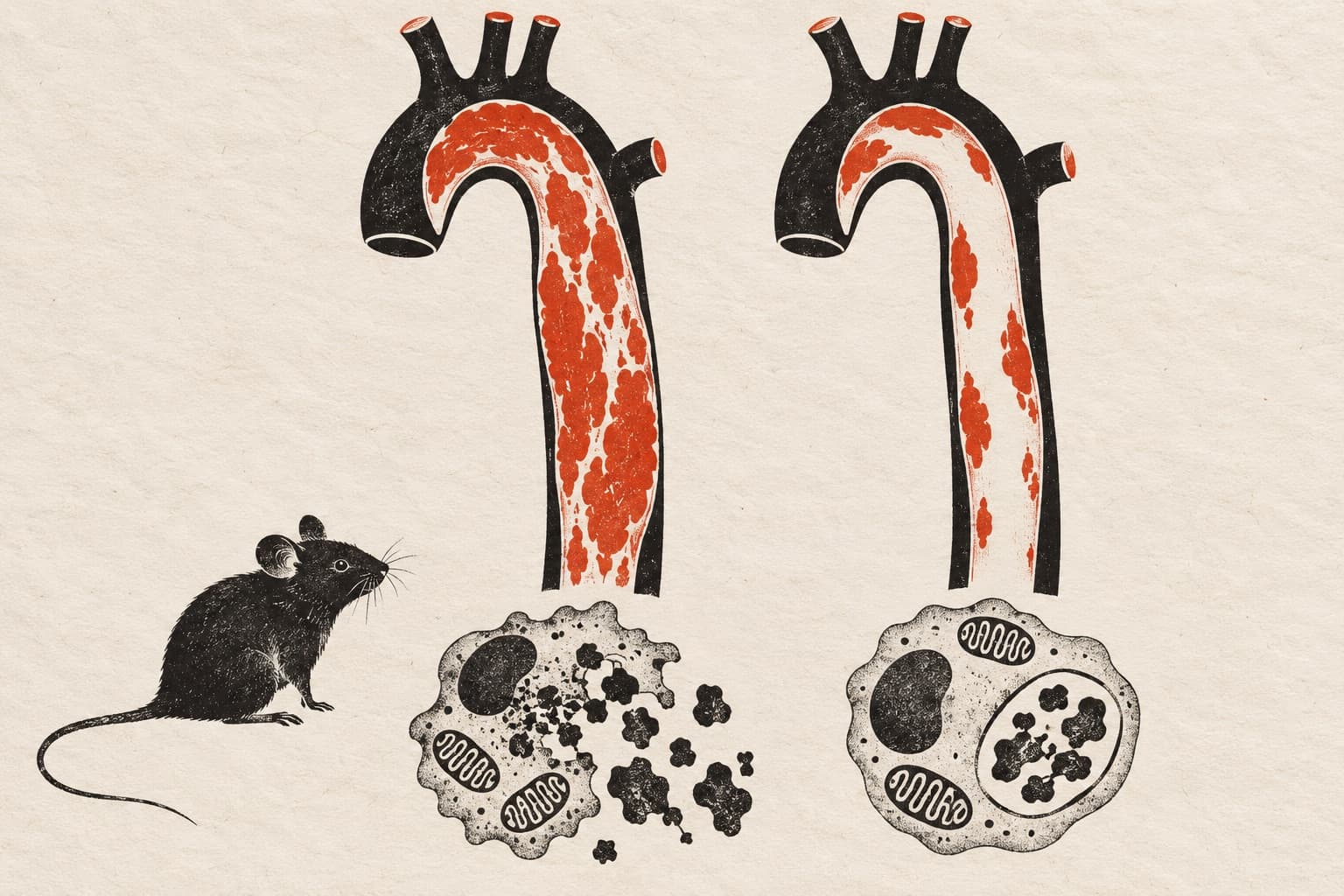
In Klotho heterozygous knockout mice, reduced Klotho levels led to hyperkalemia and decreased urinary potassium excretion. The animals showed activation of renal mechanistic target of rapamycin complex 1 (mTORC1) signaling alongside decreased abundance of the potassium channel ROMK1 in the plasma membrane. Adrenal aldosterone synthase expression and plasma aldosterone concentrations rose, while enhanced epithelial sodium channel activity partially compensated for the deficit. Blocking this compensation with amiloride provoked severe hyperkalemia. In contrast, treatment with rapamycin or Klotho supplementation suppressed renal mTORC1 signaling, restored membrane ROMK1, increased potassium excretion, and normalized serum potassium levels.
Why it matters
Hyperkalemia is common in older adults, who often exhibit declining Klotho levels. The findings suggest the Klotho-mTORC1 pathway may play an important role in age-associated disruptions of renal potassium homeostasis.
Caveats
The study was conducted entirely in genetically modified mice. Whether the same Klotho-mTORC1 mechanism mediates hyperkalemia in aging humans remains to be tested.
The paper
Klotho Deficiency Impairs Distal Potassium Homeostasis Through mTORC1-Dependent Suppression of ROMK
International University of Health and Welfare (IUHW) · The University of Tokyo
Acta Physiologica · 5 Oct 2026