Protein loss promotes a non-dividing state in kidney cells
The study reported that loss of a protein in cells’ energy-producing structures triggered persistent, harmful stress signalling in kidney-filtering cells.
Diabetes
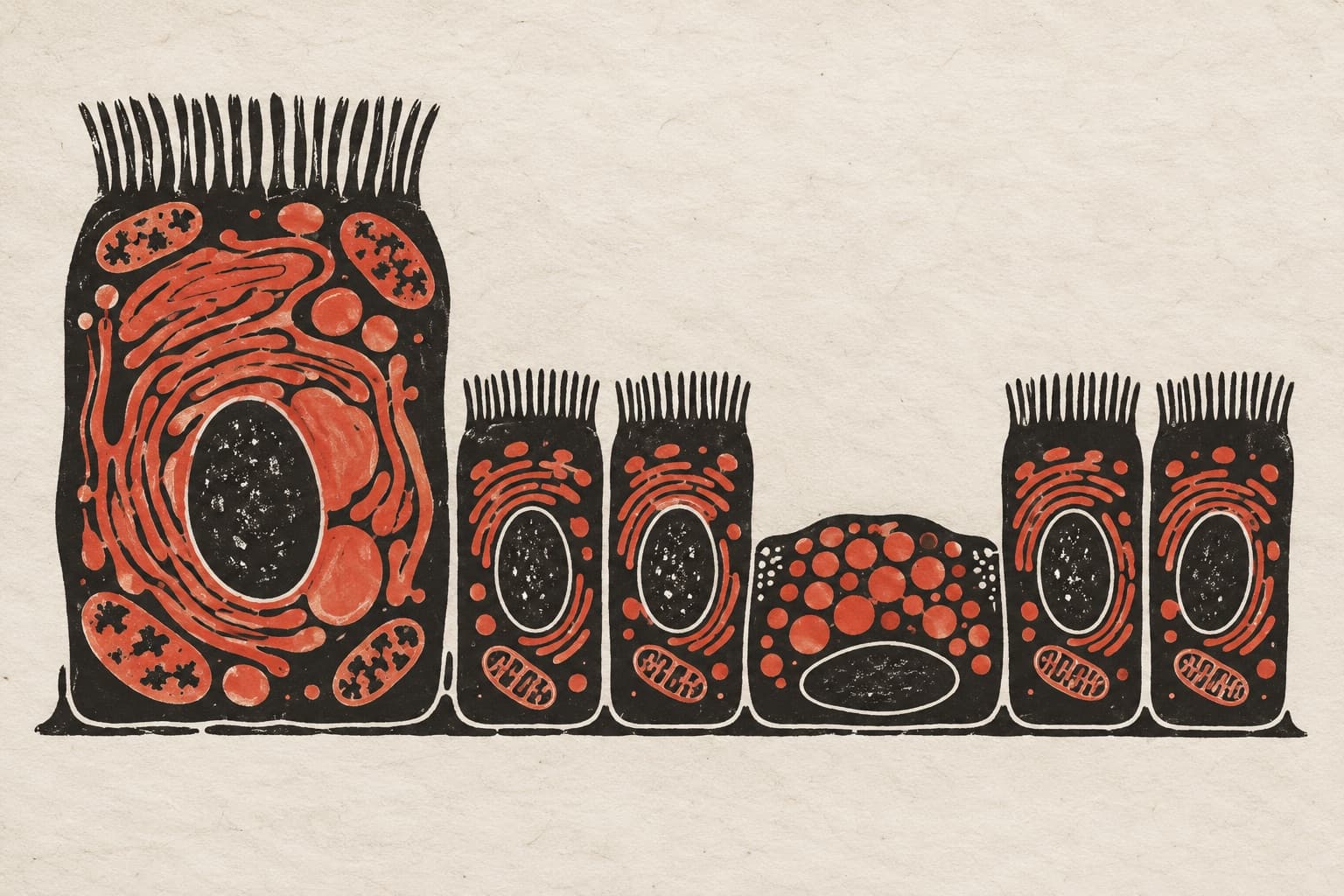
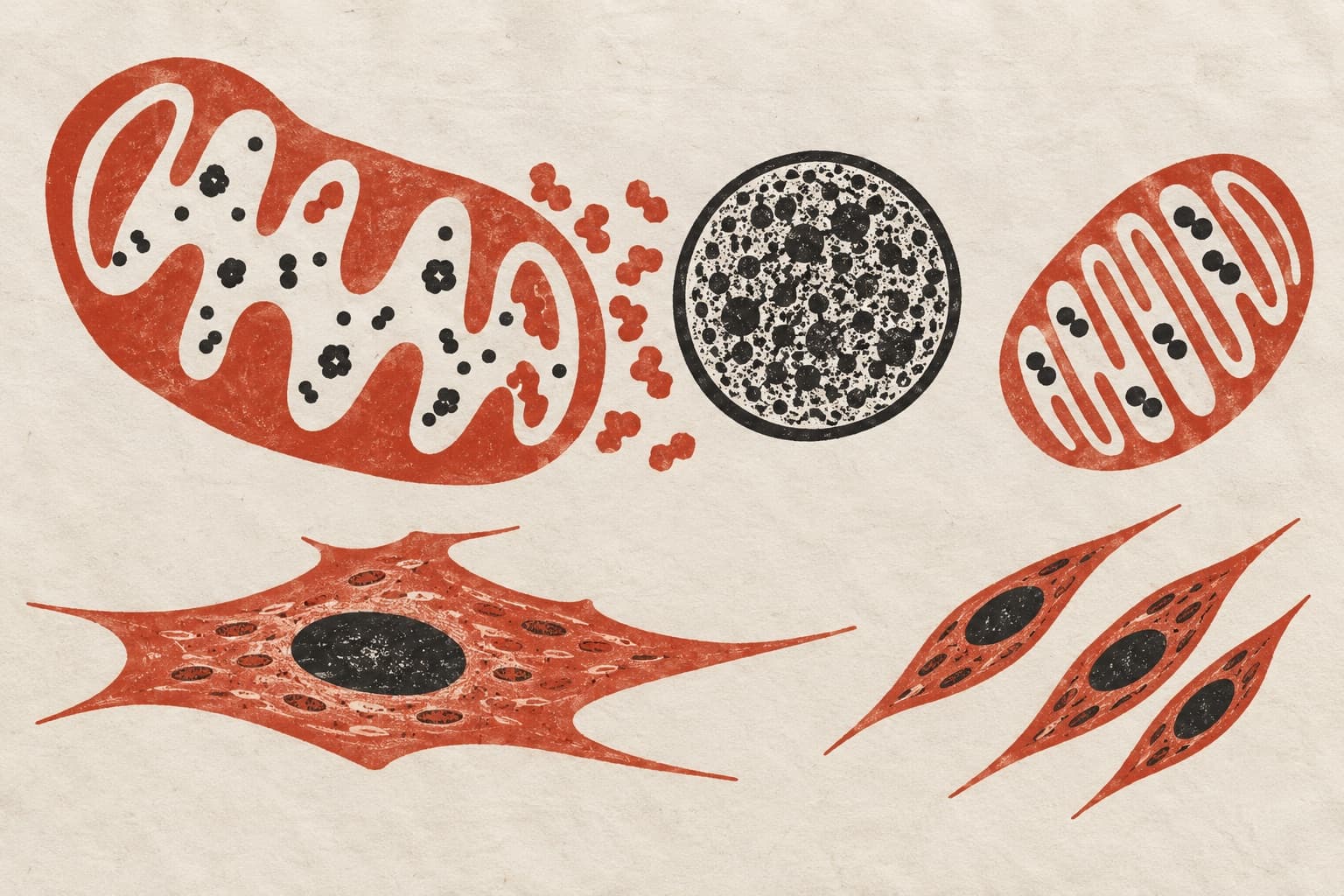
Researchers studied podocytes, kidney cells that help filter blood, in the context of diabetic kidney disease. They examined YME1L, a protein in mitochondria, the structures that supply cells with energy. Loss of YME1L promoted senescence, a state in which cells stop dividing.
Loss of YME1L also triggered sustained, harmful activation of the integrated stress response, a cellular system for responding to stress. The protein interacted with GRP75, another protein in mitochondria, and regulated its balance within those structures. An accumulation of GRP75 drove persistent stress signalling and impaired mitochondrial function.
Why it matters
Senescence is a focus of aging research. This study addressed what regulates that state in kidney-filtering cells in diabetic kidney disease.
Caveats
The abstract did not describe the study design or identify whether the findings came from cells grown in the lab, animals or people. It gave no sample sizes or quantitative results.
The paper
Show 4 more authors
Hui Zhang, Liqin Zhang, Xiaobo Zhang, Yong Xu,The Affiliated Huaian No. 1 People's Hospital of Nanjing Medical University
Diabetes · 6 Oct 2026