Mapping the Heart-Brain Continuum beyond Heart Failure: Why Neurology Matters
3.5 years
Abstract
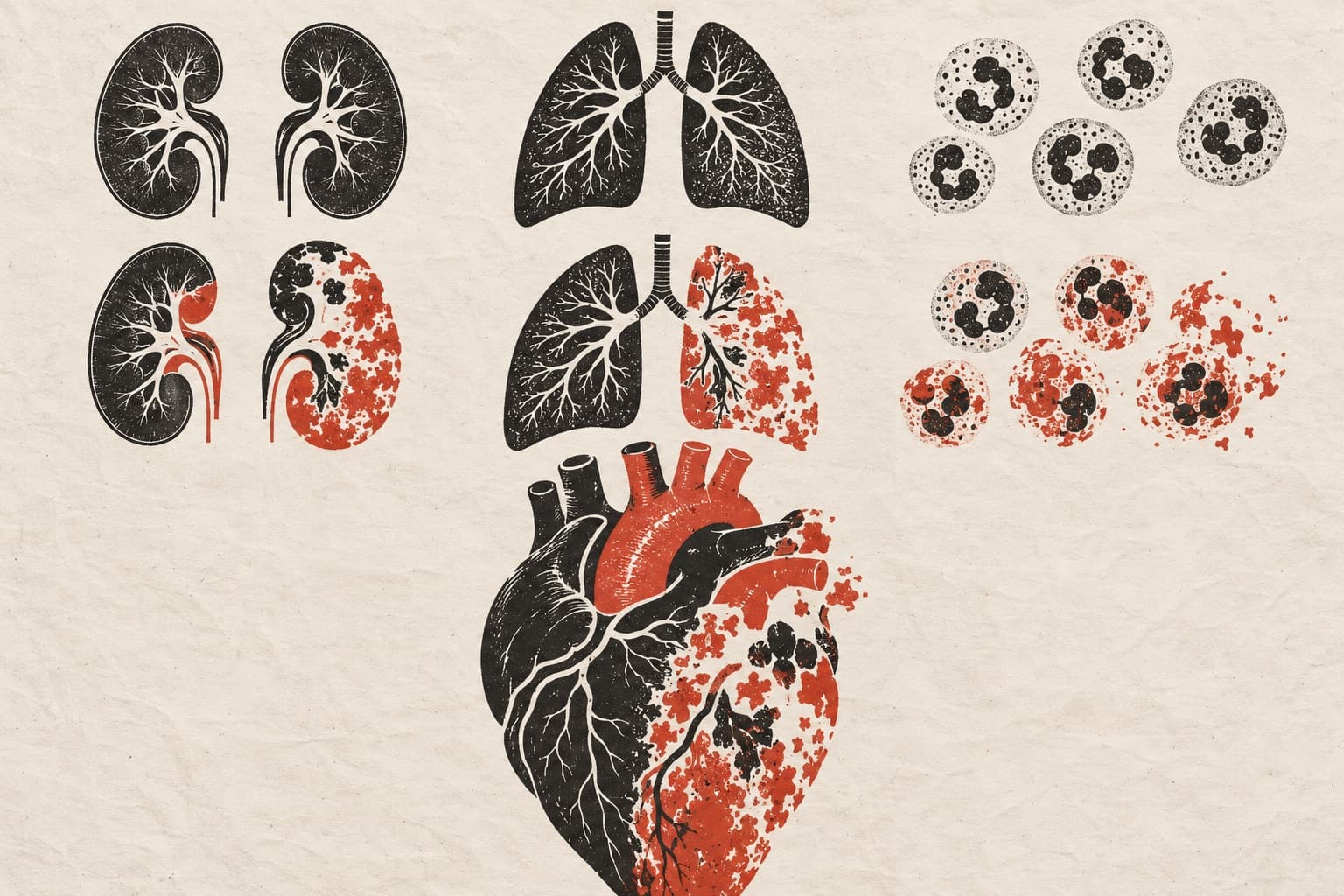
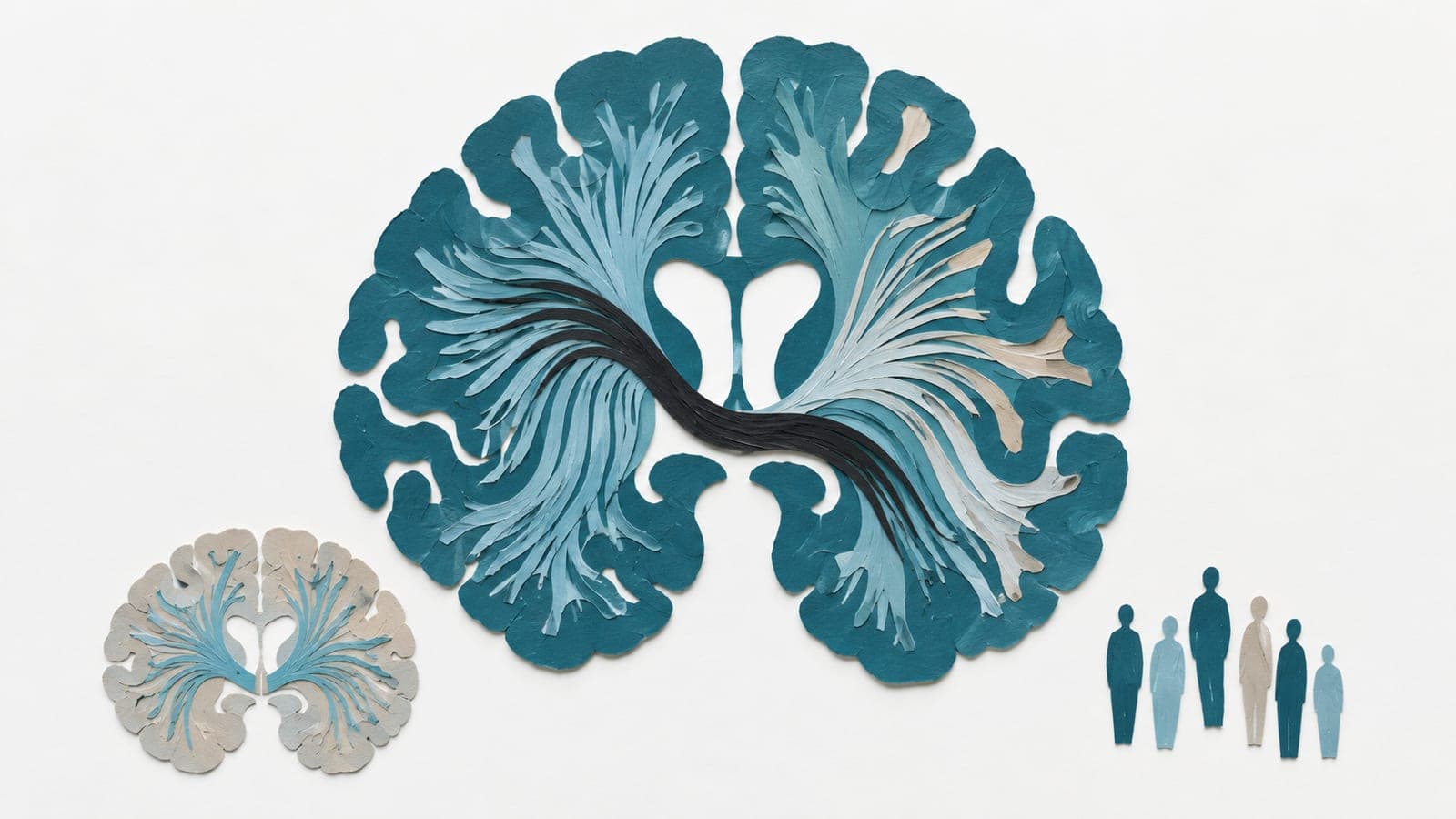
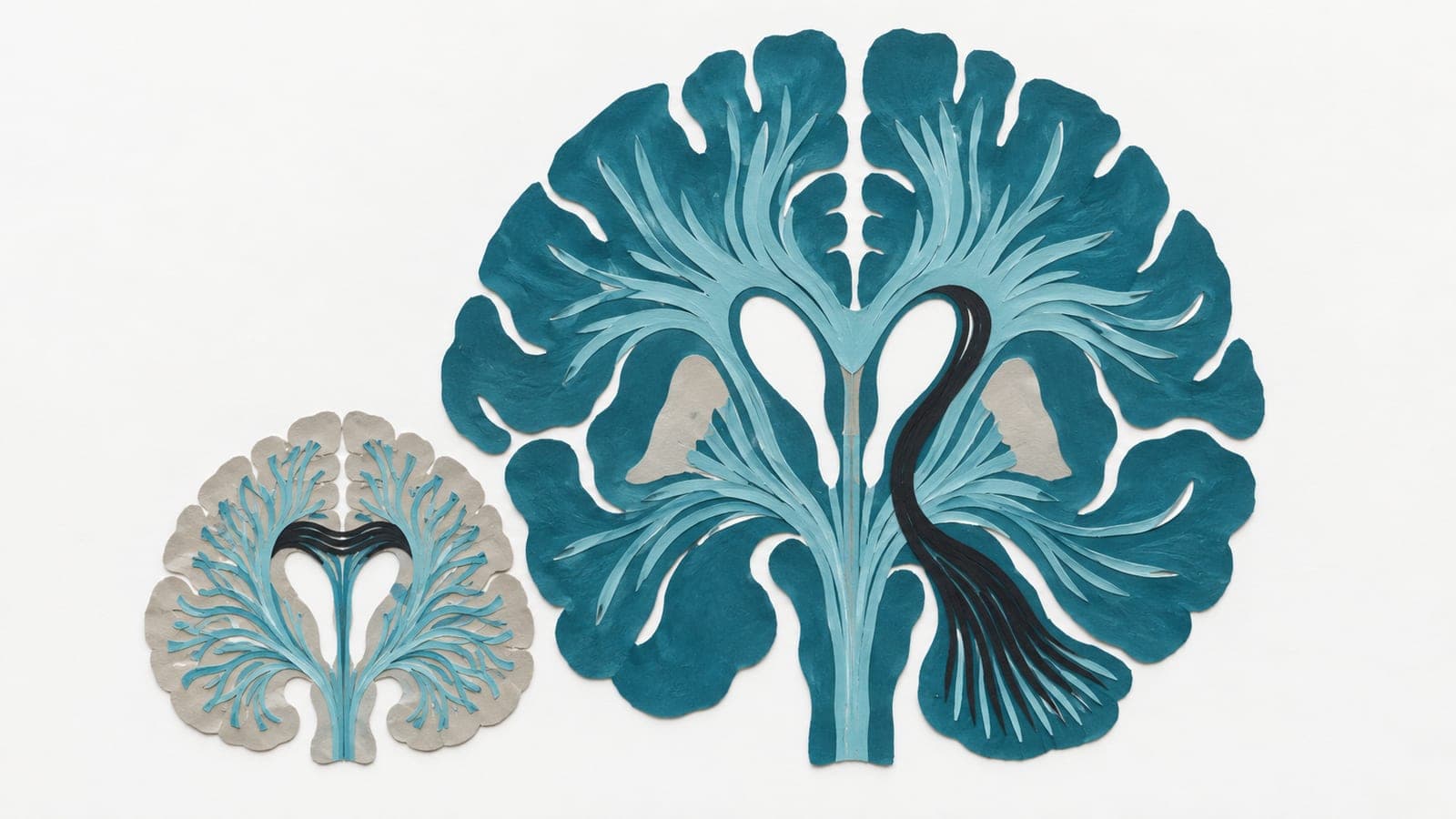
To investigate whether cardiac dysfunction predicts further gray matter (GM) microstructural integrity and whether this integrity mediates the association with cognitive performance, we conducted a prospective observational cohort study of 73 patients (20 females and 53 males; mean age 54.8 years) from the Leipzig Heart Study. We performed baseline cardiac assessments followed by diffusion-weighted magnetic resonance imaging and cognitive testing after a follow-up of 3.5 years. Participants included patients with established heart failure (HF) and matched patients without HF presenting with suspected coronary artery disease. We assessed baseline cardiac biomarkers including left ventricular ejection fraction (EF) and N-terminal pro-B-type natriuretic peptide. The main outcomes were GM microstructural integrity [mean diffusivity (MD)] and cognitive performance. Mediation analysis evaluated whether regional MD mediated the association between cardiac function and cognition. Across all 73 participants, a lower baseline EF predicted greater future GM MD even in patients without clinical HF, acting as an early-stage indicator. Conversely, higher natriuretic peptide levels predicted extensive microstructural damage exclusively in the established HF group. Notably, increased MD in Alzheimer's disease-vulnerable regions (specifically the cingulate and lingual gyri) significantly mediated the association between cardiac health and subsequent memory performance. In conclusion, cardiac dysfunction is associated with a predictable continuum of brain microstructural damage where conventional imaging previously failed. Crucially, this microstructural degradation mediates the link to memory decline, identifying brain microstructural integrity as a high-priority target for upstream intervention aimed at preserving cognitive health.
The paper
Max Planck Institute for Human Cognitive and Brain Sciences; Charles University
The Journal of Neuroscience, 7 Jul 2026, Open access