Short sugar chains on proteins were more common in older mice
A laboratory comparison of male mice aged 6 to 24 months, with five per age group, linked the shift to aging across several organs.
Edited by Boris Djordjevic · AgingResearch.News
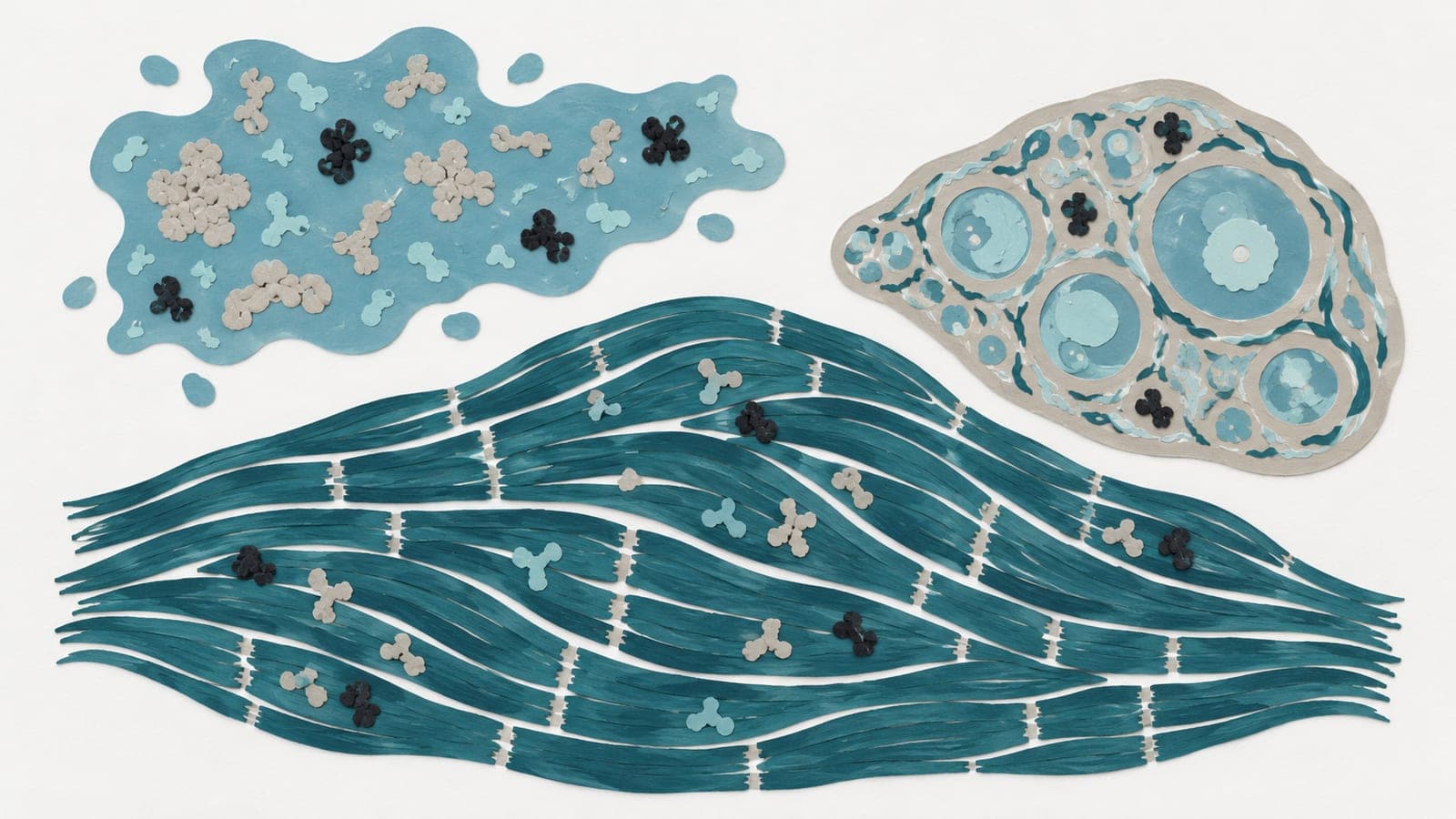
In a laboratory age-group comparison, researchers studied male C57BL/6NCr mice aged 6, 12, 20 and 24 months, with five per group. They measured N-glycans, sugar chains attached to proteins, in serum, the liquid left after blood clots, and six organs and tissues.
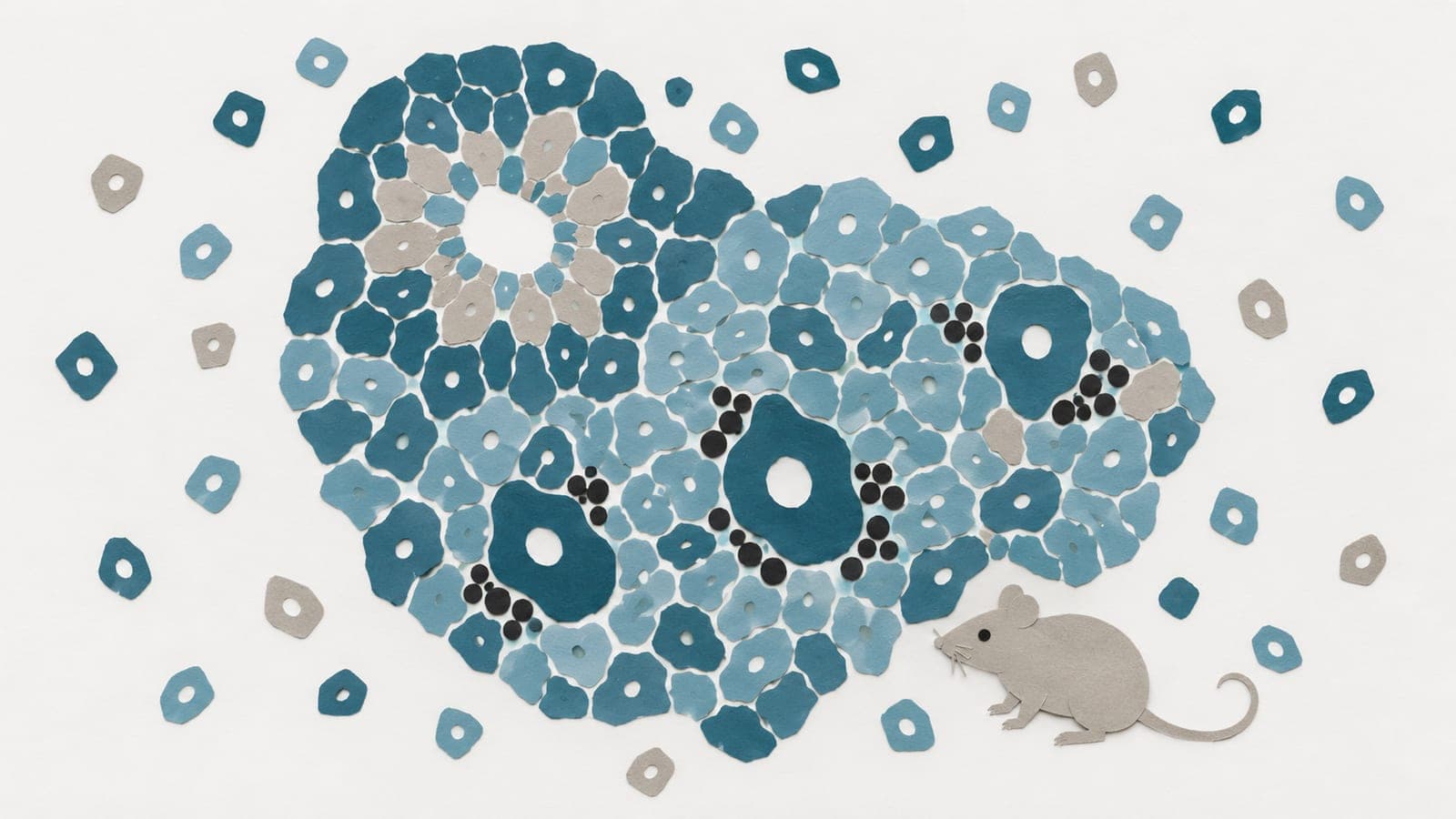
Each organ had a distinct sugar-chain profile, but all showed age-related changes. The share of paucimannose glycans, a type of short sugar chain, increased in several organs. Its link with age was strongest in the brain, skeletal muscle and lungs. Two sugar-processing enzymes also increased in aging mouse lungs. In separate experiments with human small-airway lining cells and lung fibroblasts—cells that support tissue—grown in the lab, both enzymes increased in cells induced to enter senescence, a state in which cells stop dividing. In these cells, the sugar-chain share increased after DNA damage.
Why it matters
Protein-linked sugar chains may serve as indicators of cellular and organ aging, the authors suggest.
Caveats
The comparison used different mice at different ages and did not directly test whether the enzymes caused the sugar changes. The animal findings came from males of one mouse strain, not people.
The paper
Tokyo Metropolitan Institute of Gerontology
npj Aging, Jun 26, 2026, Open access