Delivery timing determines senomorphic efficacy: delayed local ruxolitinib restores macrophage polarization and rescues age-impaired bone repair
9 weeks
Abstract
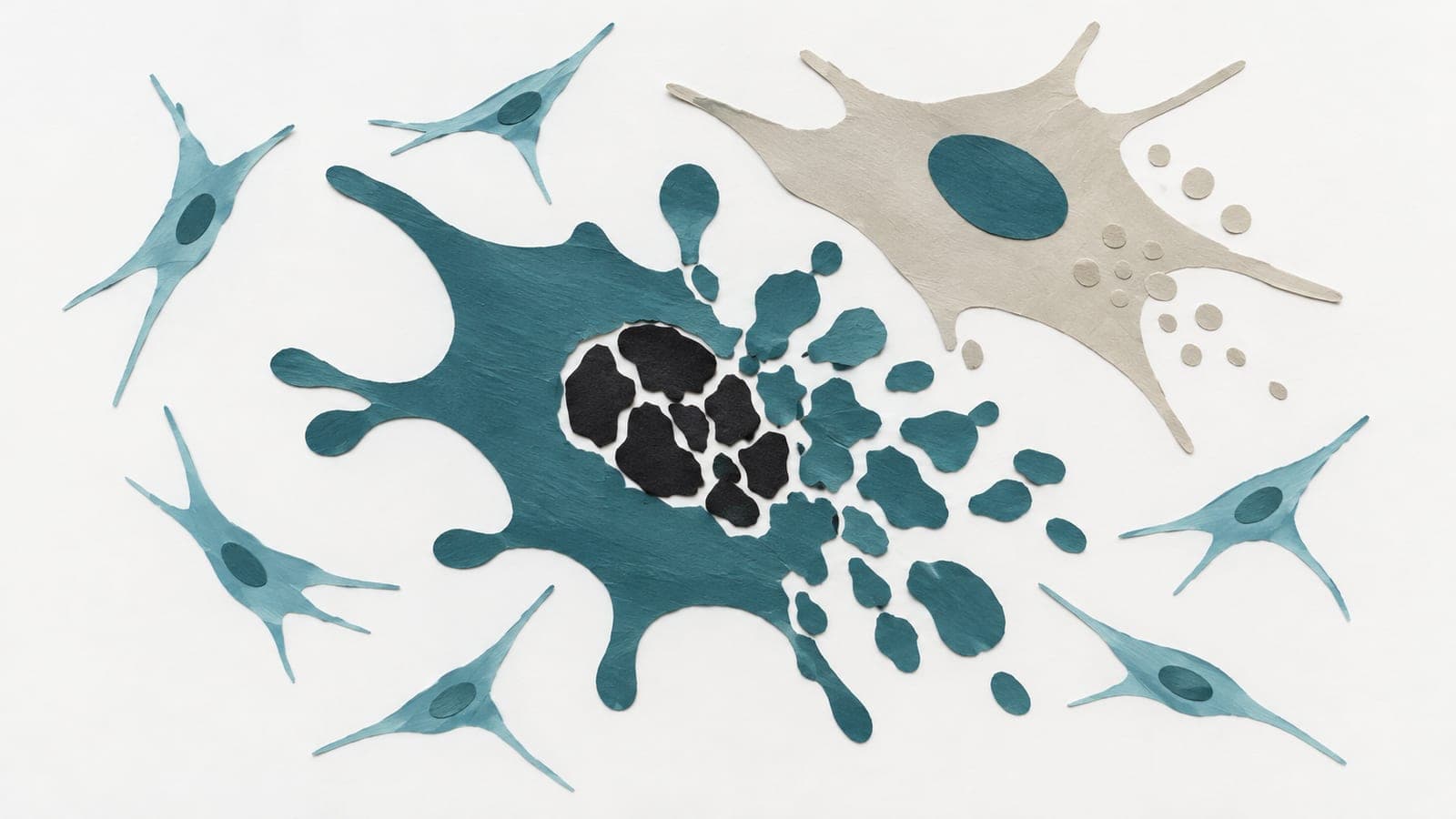
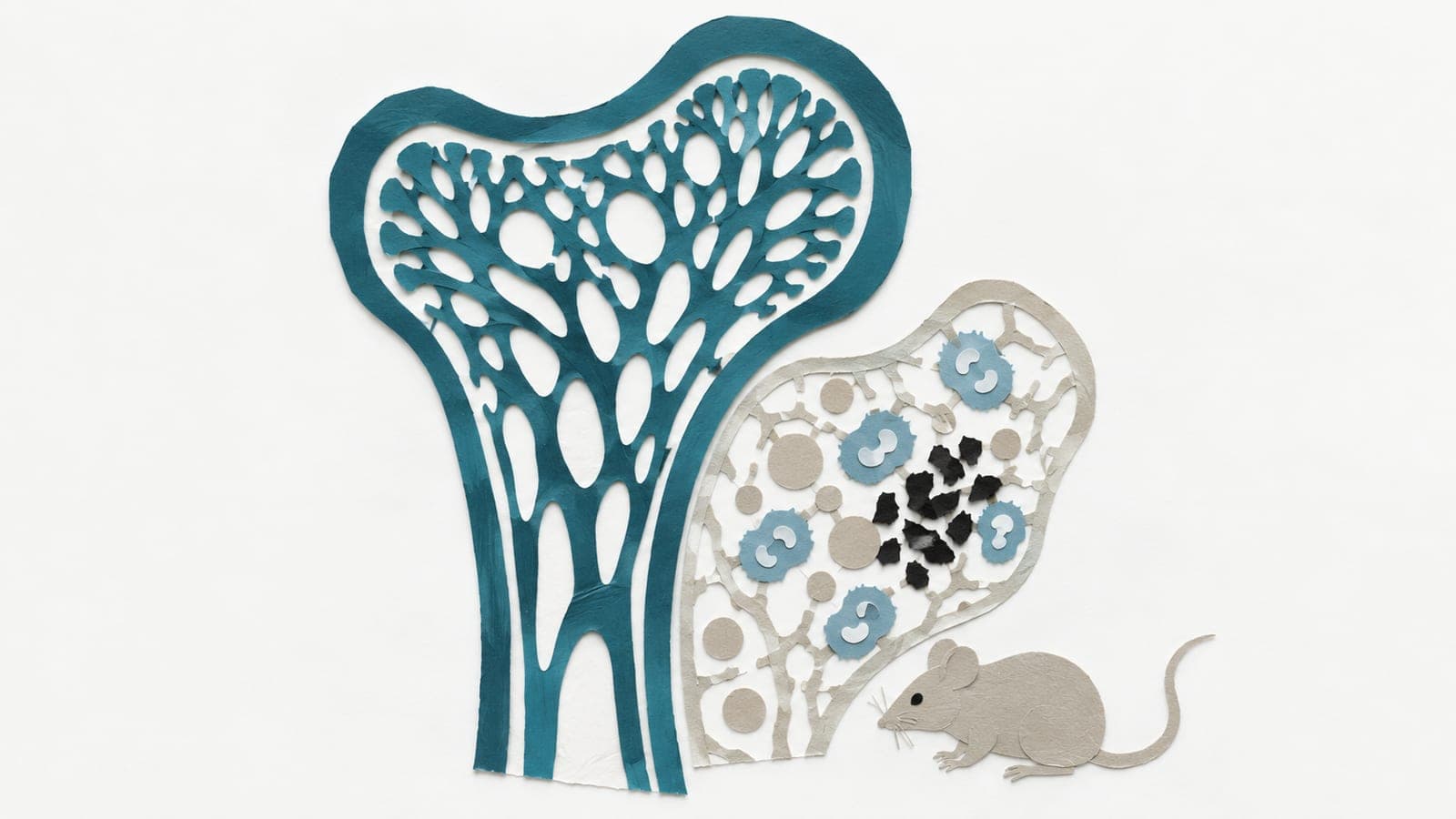
Impaired bone repair in aged individuals is driven by dysregulated macrophage polarization and chronic inflammaging. Early pro-inflammatory macrophage activity is indispensable for bone repair, yet its pathological persistence suppresses osteogenesis and promotes bone resorption. Here we show that localized, temporally delayed delivery of the JAK1/JAK2 inhibitor ruxolitinib (Rux) from a transitory barrier layer (TBL) bone graft coating restores macrophage phenotype switching and accelerates calvarial bone defect closure in aged female mice. Immediate Rux exposure prematurely suppresses the early pro-inflammatory gene expression profiling in aged bone marrow-derived macrophages, whereas TBL-mediated delayed release preserves this phase before driving a robust pro-reparative gene expression signature. Rux-TBL-coated grafts produced significantly greater bone formation than immediately dosed Rux grafts or no Rux grafts at nine weeks. These findings establish delivery timing as a critical determinant of senomorphic efficacy, supporting local delayed delivery over systemic administration following acute bone injury.
The paper
UConn Health
Research Square, 22 May 2026, Open access, Preprint, not peer-reviewed