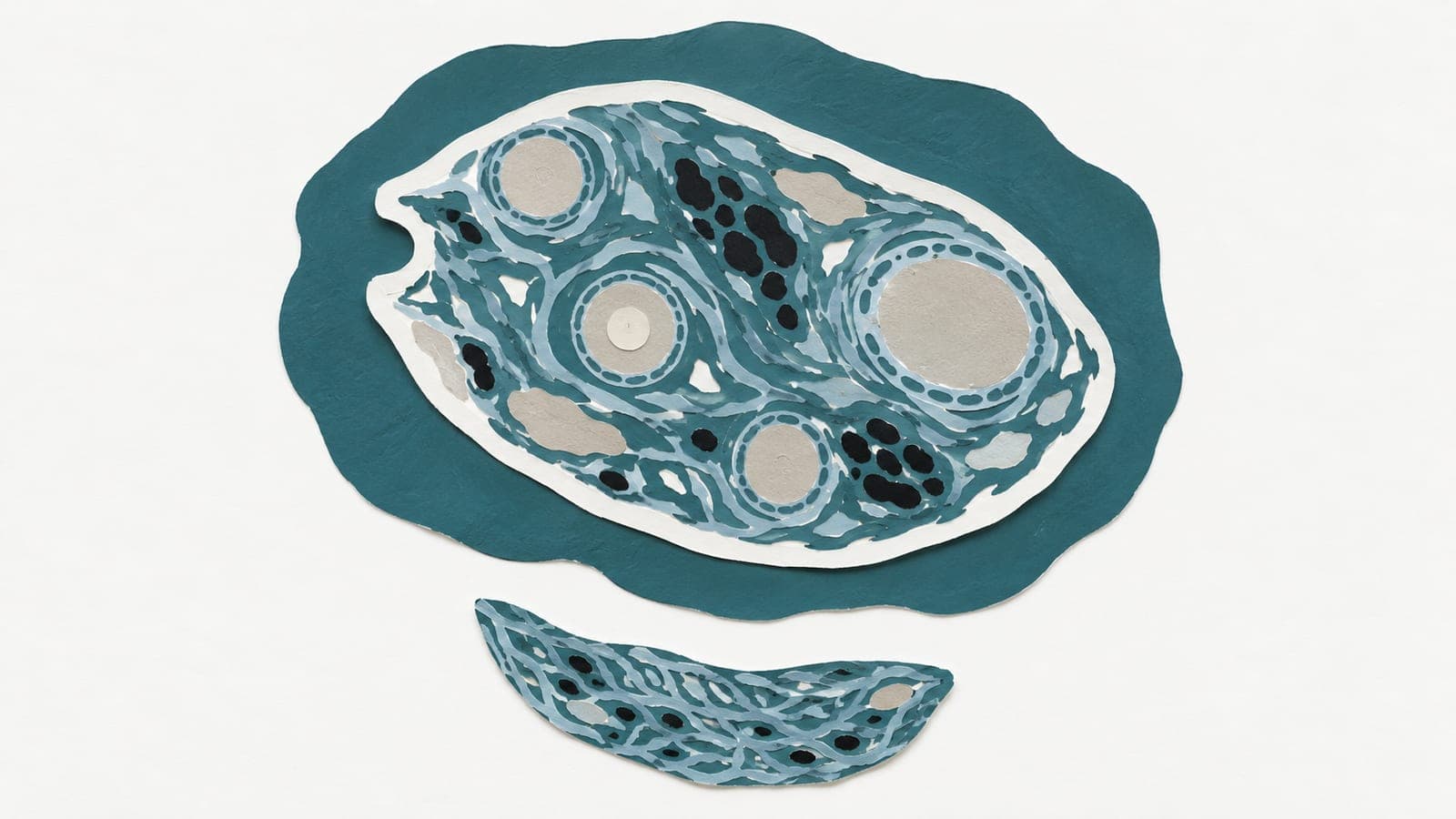
The ovarian stroma as a key regulator of follicular development and gamete quality across the reproductive lifespan
Abstract
The follicle is the functional unit of the ovary and has been the historical focus of ovarian biology research. However, recently a greater emphasis has been placed on the role of the ovarian microenvironment, or stroma, in supporting the follicle and germ cell within. The ovarian stroma is composed of the ovarian surface epithelium, blood and lymphatic vasculature, nerves, immune cells, fibroblasts, mesenchymal cells, and the extracellular matrix (ECM). The stroma provides structural, biomechanical, biochemical, and metabolic support for follicle activation and development, in turn impacting gamete quality. The ovary is one of the first organs to age characterized by a loss of gamete quantity and quality. In addition, the stroma exhibits significant age-related changes - becoming fibrotic, inflammatory, and stiff. This review summarizes the physiological functions of ovarian stromal cell populations and components in supporting ovarian function, alterations in the ovarian stroma that occur with advanced age, and the resulting reproductive consequences.
The paper
Northwestern University
Current Topics in Developmental Biology, 8 May 2026