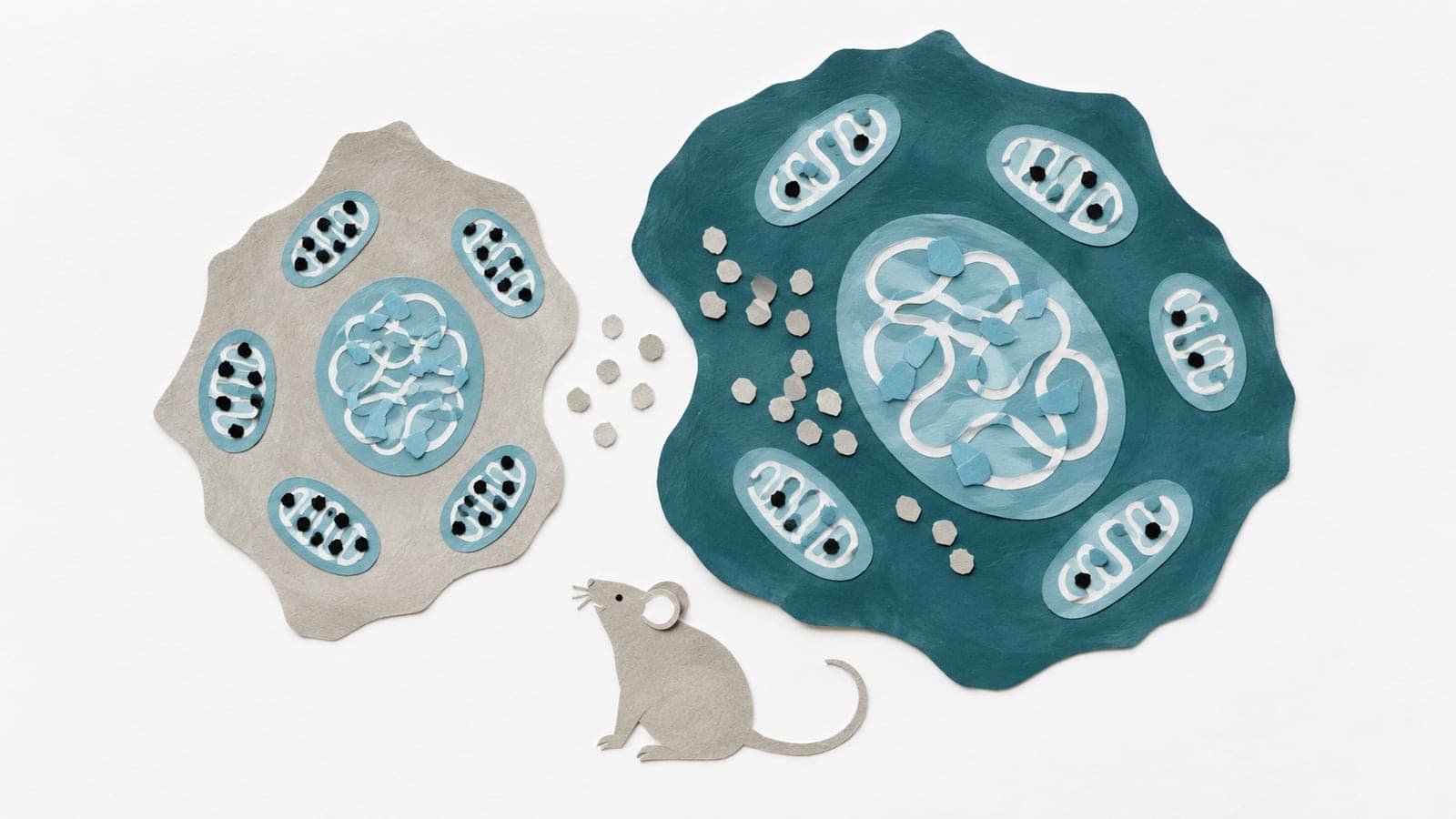
Dietary pyrroloquinoline quinone and spermidine in healthy longevity: targeting the hallmarks of aging
Abstract
BACKGROUND: Aging is a multifaceted biological process driven by interconnected cellular and molecular hallmarks. As geroscience increasingly prioritizes healthspan over lifespan, nutritional interventions targeting multiple aging mechanisms have gained attention as accessible strategies to mitigate age-related functional decline. OBJECTIVE: This mini review synthesizes recent evidence on how the bioactivities of two food-derived geroprotective compounds, pyrroloquinoline quinone (PQQ) and spermidine (SPD), intersect with the hallmarks of aging and their distinct and overlapping roles in maintaining cellular homeostasis. FINDINGS: PQQ primarily functions as a mitochondrial and redox regulator, enhancing mitochondrial biogenesis and bioenergetic capacity through the AMP-activated protein kinase (AMPK) and sirtuin1 (SIRT1)/peroxisome proliferator-activated receptor gamma coactivator 1-alpha pathways. In contrast, SPD acts as a key regulator of cellular quality control by inducing macroautophagy and preserving proteostasis, largely through modulation of histone and autophagy-related protein acetylation. These complementary mechanisms converge on several key hallmarks of aging, including genomic instability, deregulated nutrient sensing, mitochondrial dysfunction, and chronic inflammation. CONCLUSION: The anti-aging mechanisms of PQQ and SPD originate from distinct upstream biochemical processes but converge on shared signaling hubs, including the AMPK/SIRT1 axis and autophagy-related networks. This convergence suggests a coordinated network-level complementarity that may offer a more robust intervention against age-related decline than targeting independent pathways alone.
- Pyrroloquinoline quinone
- Spermidine
- AMPK signalling
- Autophagy
- DNA damage response
- Histone modification and chromatin remodelling
The paper
Mitsubishi Gas Chemical (Japan)
Frontiers in Aging, May 15, 2026, Open access