Retrotransposons as both "architects" and "saboteurs" in the nervous system
Abstract
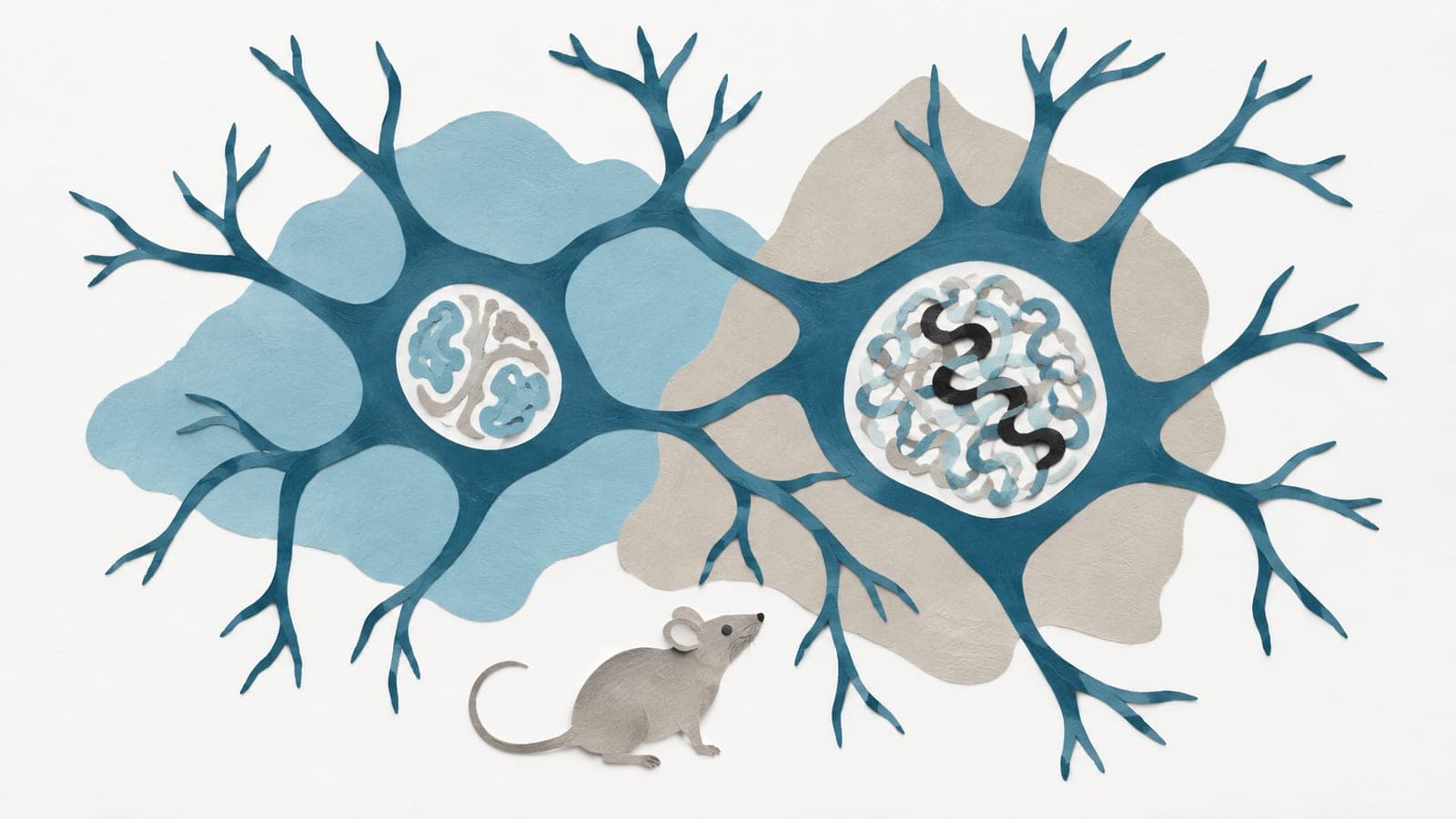
Transposable elements (TEs), once dismissed as genomic "junk," are now recognized as major forces shaping the architecture, function, and evolution of the nervous system. Among them, retrotransposons-particularly Long Interspersed Nuclear Elements (LINEs) play a dual role as both architects of neuronal diversity and saboteurs of genomic integrity. During neurodevelopment, transient retrotransposon activation contributes to somatic mosaicism, activity-dependent transcription, and synaptic plasticity, thereby enhancing cognitive adaptability. However, the same mechanisms that promote neuronal complexity render the brain vulnerable to aging and disease. Epigenetic erosion during senescence leads to derepression of LINEs and endogenous retroviruses, triggering genomic instability and neuroinflammation through the cGAS-STING pathway. Such "retrotransposon storms" are increasingly linked to neurodegenerative disorders, notably Alzheimer's disease, where tau- and Aβ-driven chromatin relaxation facilitates TE reactivation. The chapter integrates evidence from molecular, cellular, and translational research, highlighting therapeutic opportunities, from reverse transcriptase inhibitors like lamivudine to epigenetic and innate immune modulators, that aim to restore genomic homeostasis. Understanding retrotransposons as both evolutionary catalysts and pathological triggers reframes their role in brain biology and positions them as novel therapeutic targets in aging and neurodegeneration.
- cGAS–STING signalling
- Chromatin and 3D genome organisation
- DNA damage response
- Epigenetic regulation of gene expression
- Inflammation
- Transposable element activity
The paper
Instituto de Salud Carlos III; Centre for Biomedical Network Research on Rare Diseases
Advances in Genetics, 2 Dec 2025