Extracellular cGAMP drives neuroinflammation and premature aging phenotypes in mice
Loss of the cGAMP-degrading enzyme ENPP1 allows microglia-derived signaling molecules to trigger STING-dependent inflammation across multiple brain cell types.
bioRxiv
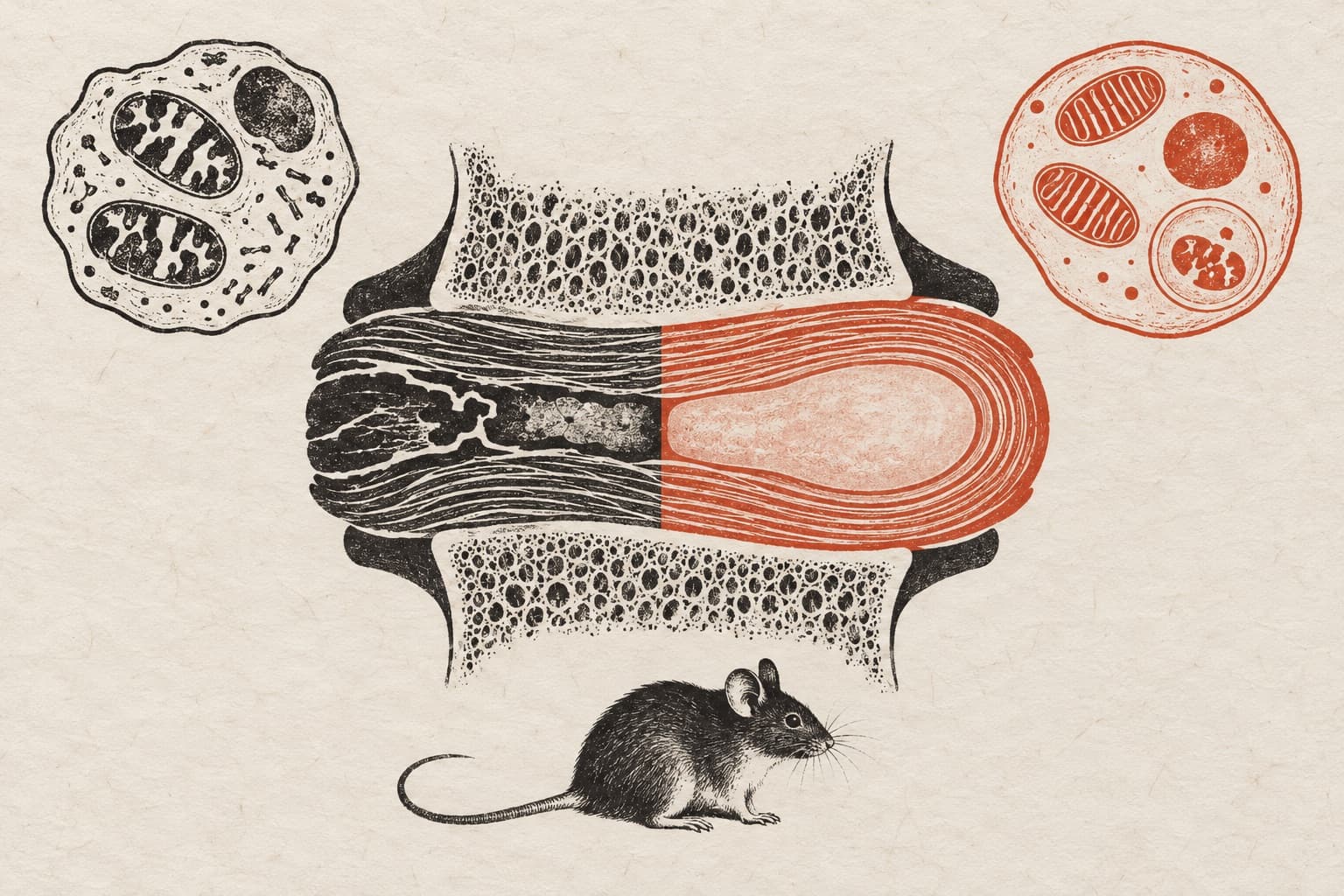
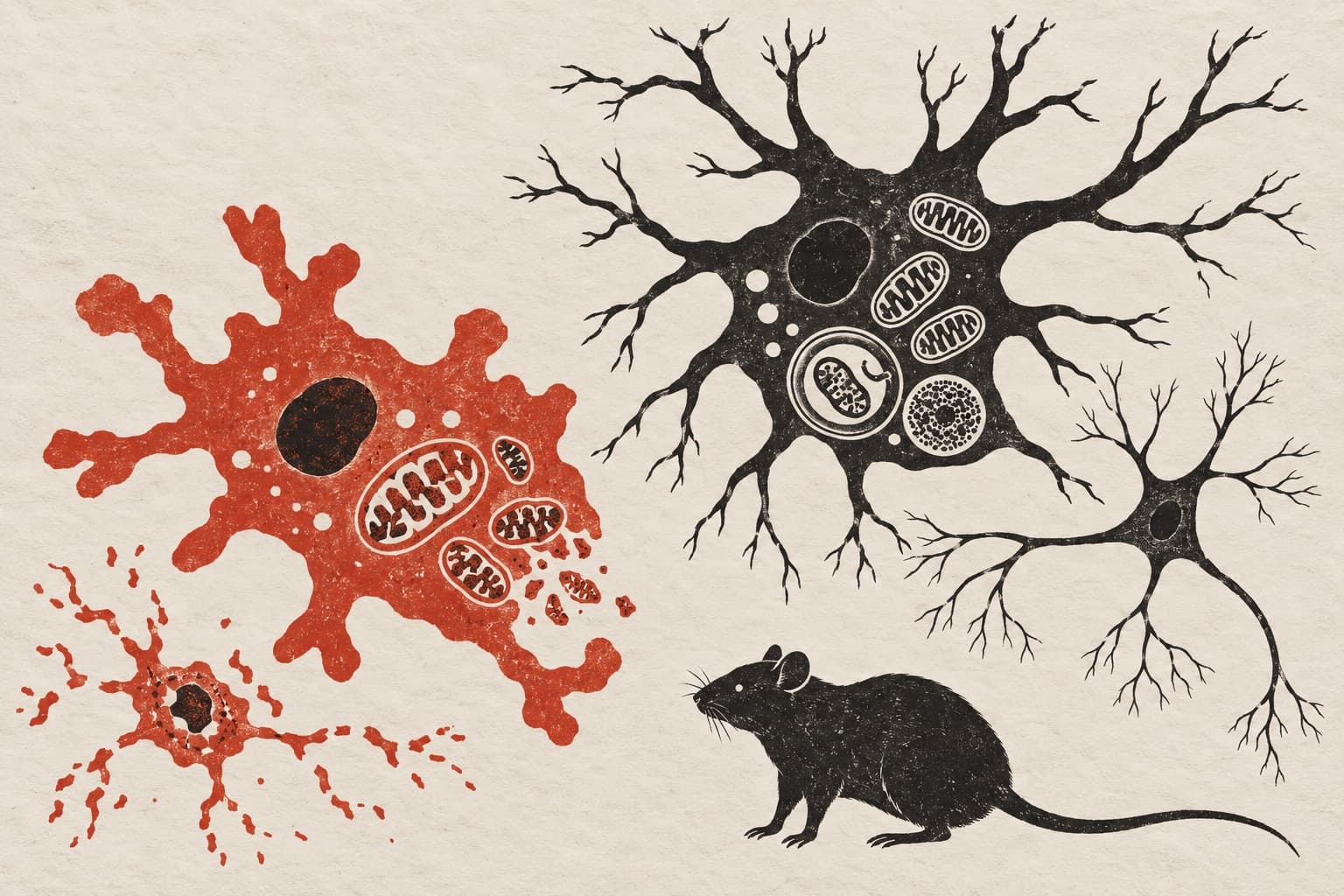
In a mouse study, researchers found that advanced age and experimental autoimmune encephalomyelitis cause microglia to accumulate cytosolic mitochondrial DNA and release cGAMP. Concurrently, levels of the cGAMP-degrading enzyme ENPP1 dropped in both disease-model mice and multiple sclerosis patients. When mice selectively lacked ENPP1 hydrolysis activity, extracellular cGAMP accumulated, worsening paralysis and driving premature aging phenotypes such as impaired motor coordination and reduced exploration. These effects depended on STING activation. Microglia, astrocytes, and inhibitory neurons took up extracellular cGAMP through specific channels, including LRRC8A:C and system xc-, triggering interferon-stimulated gene expression across the central nervous system.
Why it matters
The findings suggest that declining ENPP1 activity permits extracellular cGAMP to spread neuroinflammation across multiple cell types during brain aging.
Caveats
The work was published as a preprint and has not yet been peer-reviewed. In addition, the functional mechanisms were primarily demonstrated in mice and require validation in human clinical studies.
The paper
Extracellular cGAMP transmission exacerbates neuroinflammation in aging and multiple sclerosis
Show 8 more authors
Yu Li, Talal Younis, Alessandra Sclip, Seula Shin, April Pawluk, Hani Goodarzi, Christoph Thaiss, Silvana Konermann,Stanford University
bioRxiv · 2 Oct 2026 · Preprint, not peer-reviewed