NAMPT Deficiency Promotes Endothelial-Mesenchymal Transition by Inhibiting Energy Metabolism and Lysosomal Acidification in Late-Onset Fuchs Endothelial Corneal Dystrophy
Abstract
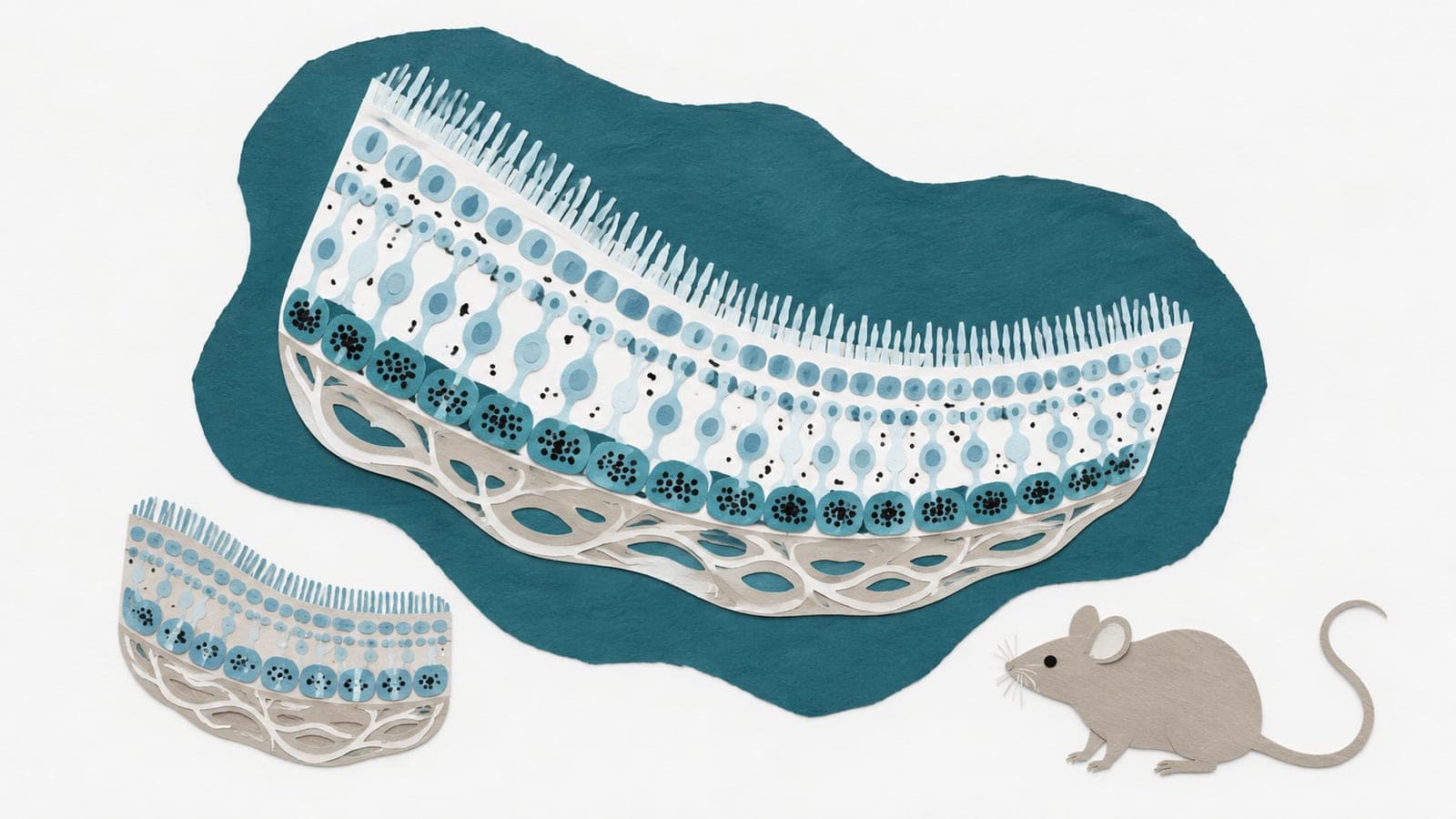
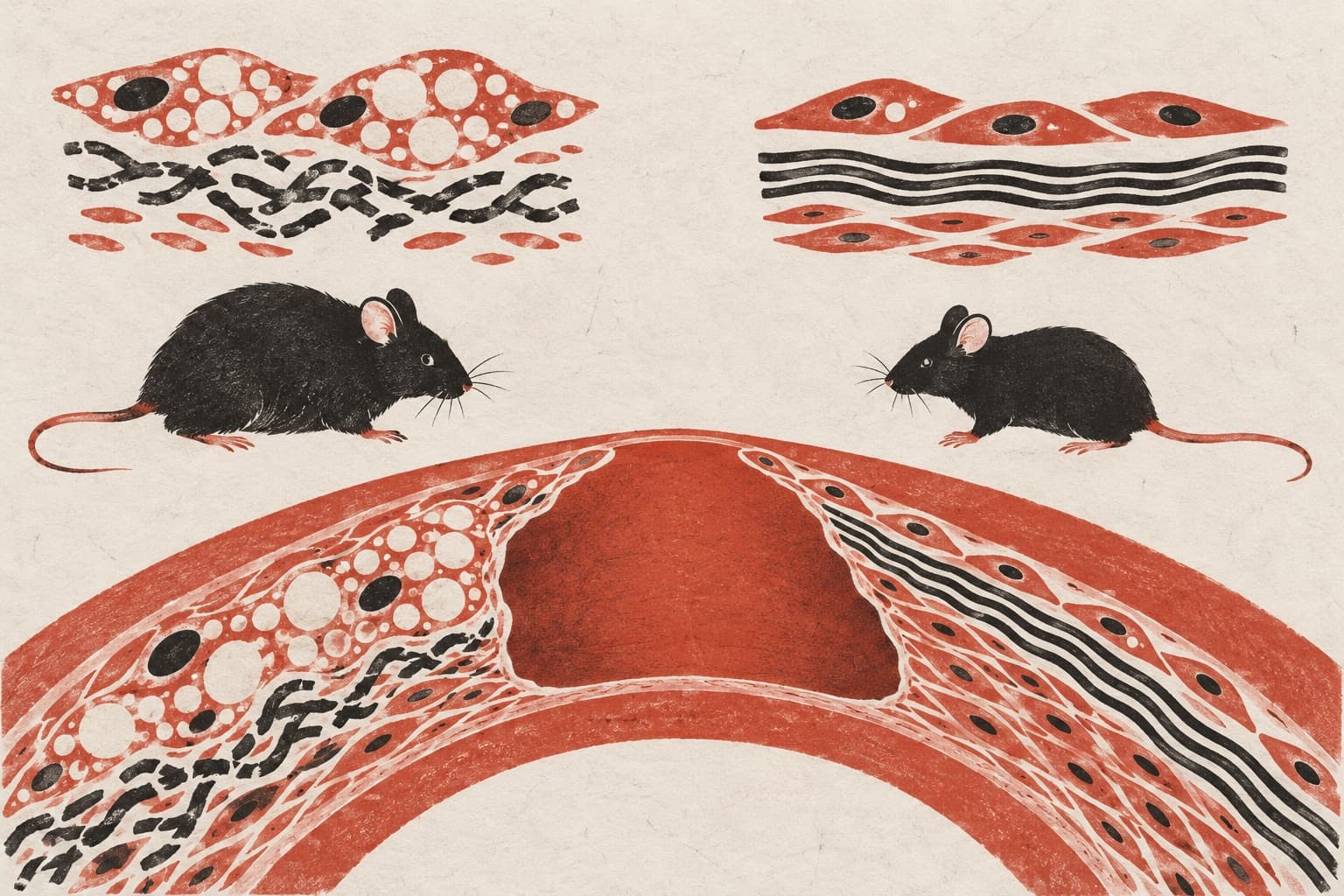
PURPOSE: This study aimed to investigate the role of nicotinamide phosphoribosyltransferase (NAMPT) deficiency in the pathogenesis of Fuchs endothelial corneal dystrophy (FECD) and to explore potential therapeutic strategies. METHODS: NAMPT expression was examined in three GEO datasets (GSE74123, GSE142538, GSE171830) and multiple FECD samples. A UVA-induced late-onset FECD mouse model with NAMPT knockdown was established via intracameral injection of AAV-shNAMPT. Corneal thickness, endothelial morphology, and endothelial-mesenchymal transition (EnMT) status were evaluated. In vitro, a chronic oxidative injury model with NAMPT downregulation was generated using small interfering RNA. RNA sequencing, ATP synthesis, lysosomal acidification, autophagic flux, and V-ATPase subunit expression were assessed to elucidate NAMPT function. Rescue experiments were conducted using NAD+ supplementation in vitro and nicotinamide riboside (NR, an NAD+ precursor) in vivo. RESULTS: A significant negative correlation was observed between ATP/energy metabolism and EnMT/extracellular matrix (ECM) remodeling in FECD specimens. NAMPT was consistently downregulated across multiple FECD datasets and the UVA mouse model. NAMPT knockdown induced significant corneal edema, endothelial cell loss, guttae formation, excessive EnMT and thickened Descemet's membrane in mice. In vitro, NAMPT inhibition altered the expression of energy metabolism-related enzymes, activated ECM remodeling pathways, reduced ATP production, blocked autophagic flux, impaired lysosomal acidification, and reduced V-ATPase expression. Importantly, these functional and molecular defects were ameliorated by supplementation with NAD+ in vitro and NR in vivo. CONCLUSIONS: These results indicate that NAMPT preserves corneal endothelial cell density and suppresses EnMT by sustaining energy metabolism, autophagic flux, and lysosomal acidification. Thus, NAMPT may emerge as a novel therapeutic target for delaying FECD progression.
The paper
Chinese PLA General Hospital; Nankai University
Investigative Ophthalmology & Visual Science, 1 May 2026, Open access