Lung-Kidney Axis, Aging, and Cell Turnover: Current Evidence and Perspectives
Abstract
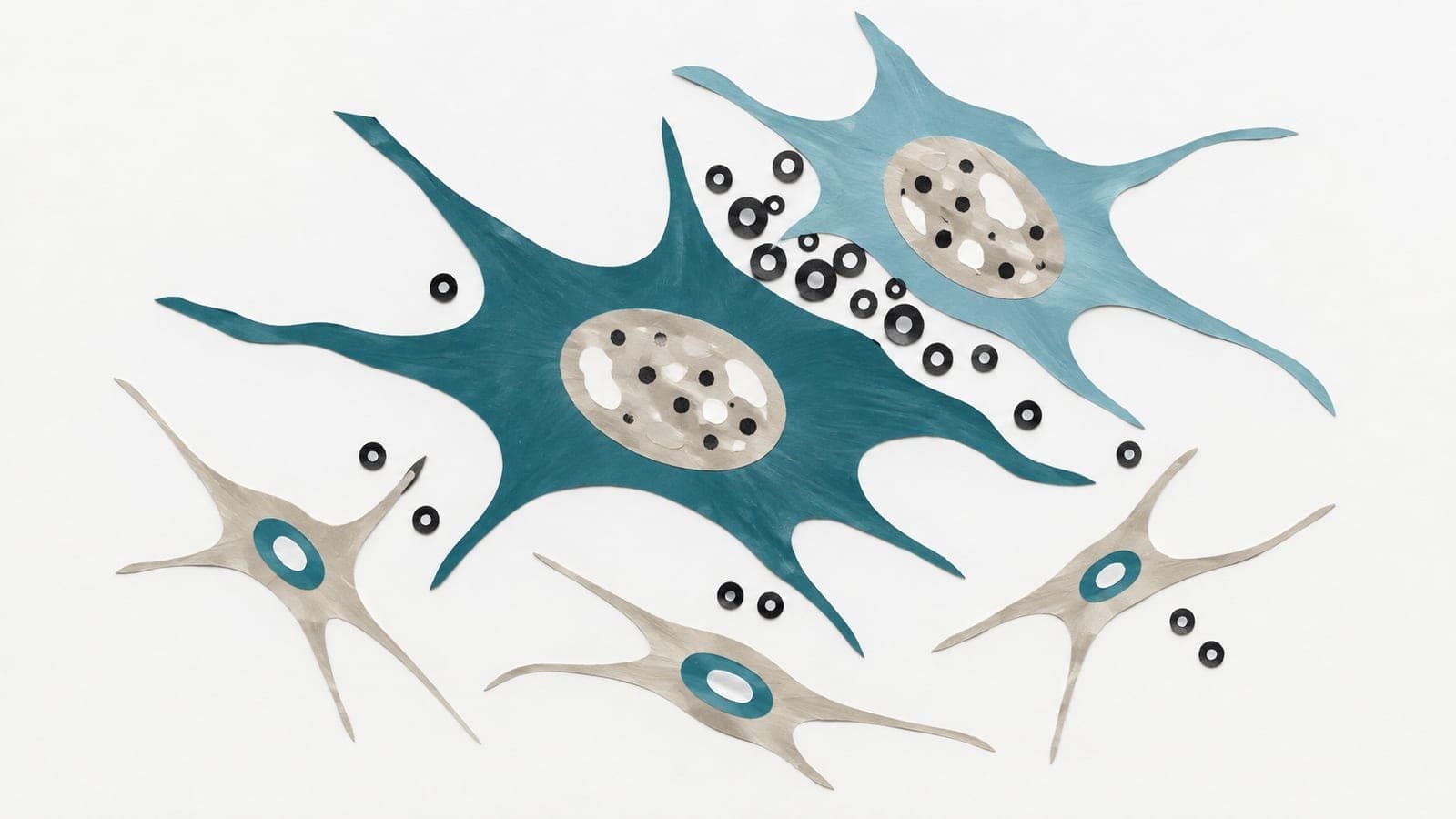
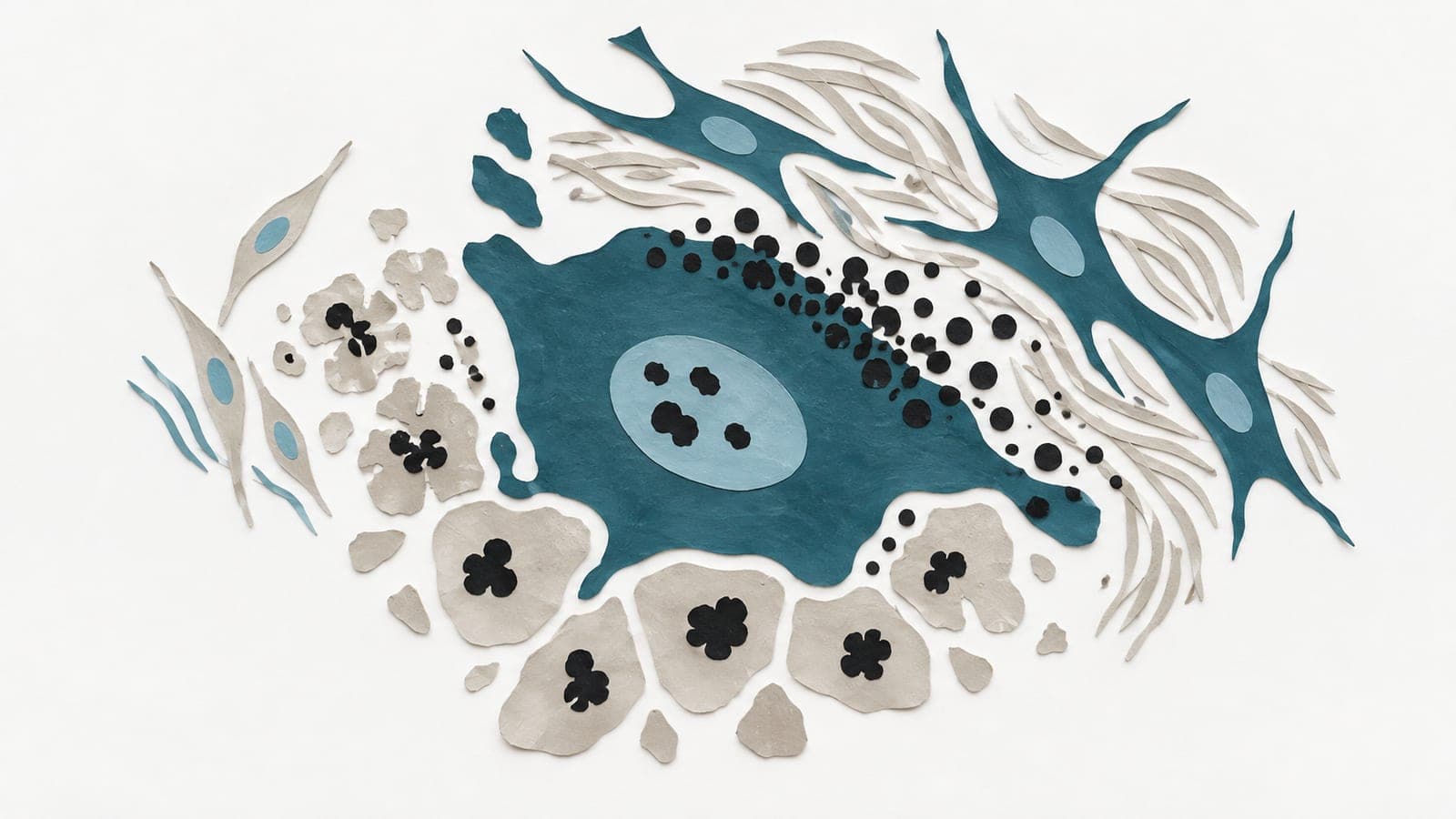
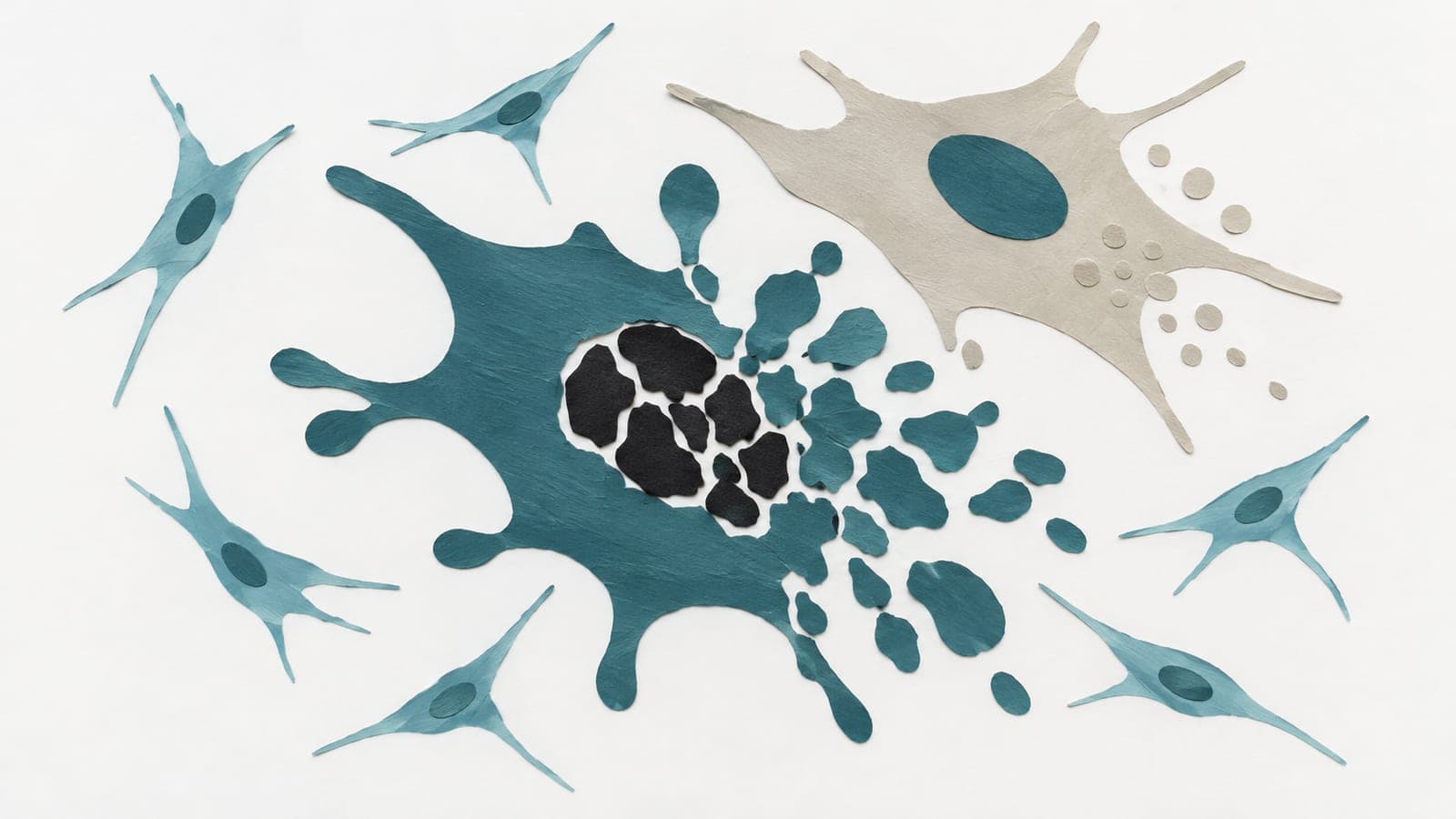
Aging is the primary biological driver of progressive cellular dysfunction and a major risk factor for disease development. The lungs and kidneys are highly vulnerable to cellular damage during aging due to their continuous exposure to environmental and metabolic stressors. Increasing evidence supports the existence of a bidirectional communication axis between the lungs and kidneys. In this review, we propose an integrative mechanistic framework that links alterations in cell turnover along this axis during aging. Based on the literature reviewed, we found that age-related cellular changes induce cellular senescence. Senescent cells undergo irreversible cell cycle arrest; furthermore, telomere shortening limits cell proliferation and promotes resistance to apoptosis. However, apoptosis can increase when a critical damage threshold is reached. In this context, senescent cells acquire a senescence-associated secretory phenotype (SASP) and release circulating mediators that can transmit damage signals between the lungs and kidneys. Taken together, these processes promote a pathological feedback loop in which age-related changes in one organ can exacerbate dysfunction in another, reinforcing a bidirectional axis of damage that increases susceptibility to developing lung and kidney diseases.
- Apoptosis
- Cell cycle regulation
- Cellular senescence
- Senescence-associated secretory phenotype (SASP)
- Kidney disease
- Lung disease
The paper
Universidad Autónoma de Nuevo León
Cells, 12 May 2026, Open access