Aging exacerbates hepatic dysfunction induced by human apoCIII overexpression in transgenic mice
Abstract
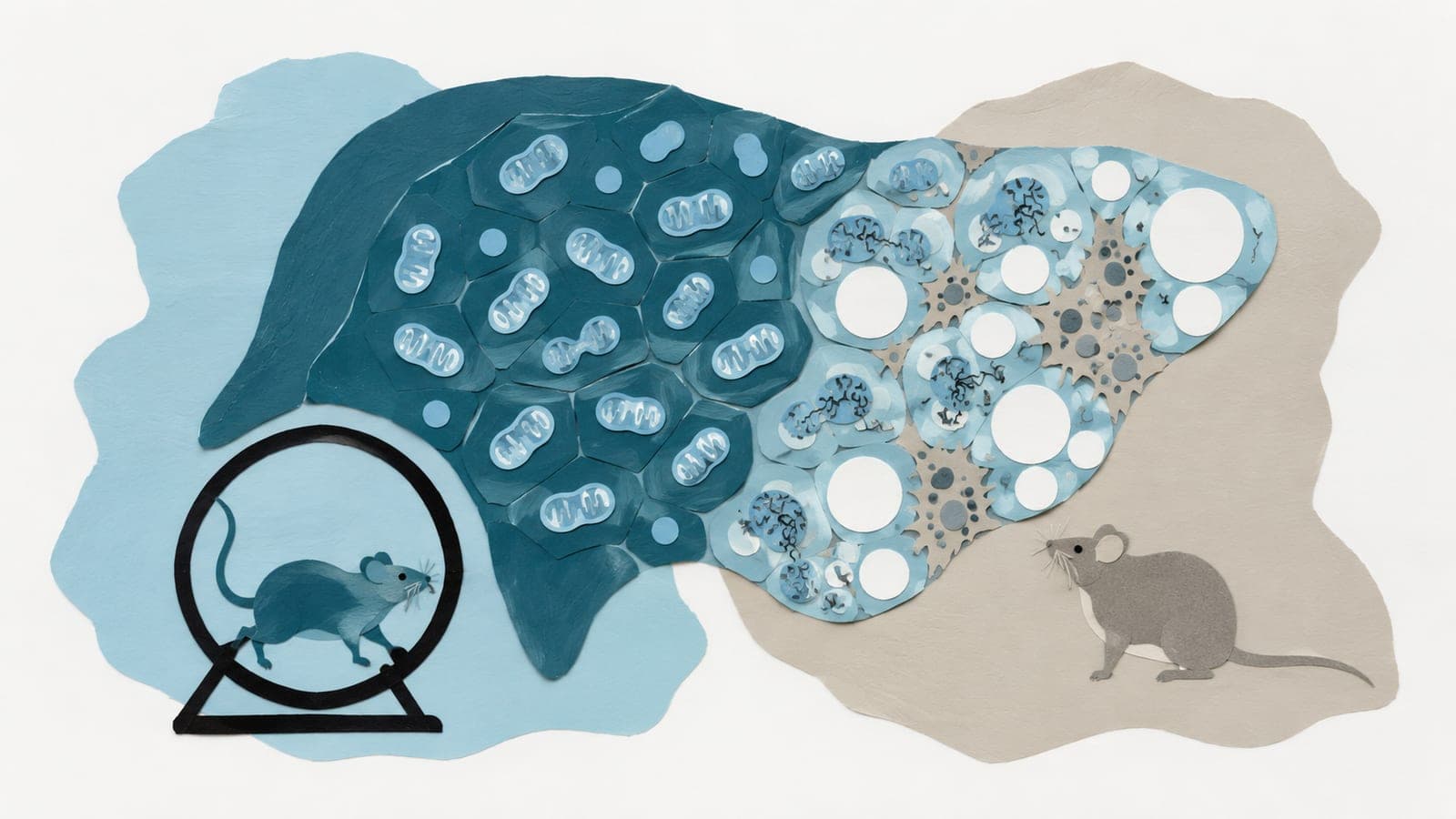
The aim of this study was to evaluate the effects of prolonged exposure to hypertriglyceridemia induced by overexpression of the human apolipoprotein CIII (apoCIII) gene, as well as the impact of age, on the liver of genetically modified mice. A total of 32 male mice, aged 5 and 20 months, were divided into transgenic (CIII) and non-transgenic (NTG) groups. Biochemical analyses of blood and morphological assessments of liver and adipose tissue were performed. ApoCIII overexpression resulted in increased plasma triglyceride concentrations (p < 0.0001) and total cholesterol levels in aged CIII animals. High-density lipoprotein (HDL) and very-low-density lipoprotein (VLDL) levels increased with age in the transgenic groups. Relative liver weight was higher in aged NTG and young CIII mice, while retroperitoneal fat increased with age regardless of genotype. Hepatocytes from aged NTG and CIII animals exhibited larger cell areas (p < 0.05), while cell number was greater in young NTG mice (p < 0.0001). CIII mice showed significantly greater hepatic lipid accumulation (p < 0.0001), while glycogen content was higher in aged NTG mice (p < 0.0001). Morphological alterations, including multinucleation (up to 8-9 nuclei) and hepatic inflammation, were observed, suggesting cellular changes associated with dyslipidemia and aging. While multinucleation may indicate potential polyploidy, further genetic analyses, such as DNA content quantification or flow cytometry, would be needed for confirmation. Continuous apoCIII overexpression in aged animals disrupts hepatic homeostasis and promotes structural alterations consistent with metabolic disorders. These findings suggest that both apoCIII and aging exacerbate hepatic dysfunction associated with dyslipidemia. NEW & NOTEWORTHY: This study provides novel insights into the presence of hepatocytes with up to 8-9 nuclei in mice, particularly in aged animals, regardless of human apoCIII overexpression. The results demonstrate that aging amplifies the apoCIII-induced hepatic morphophysiological alterations, such as lipid dysfunction, inflammation and multinucleation. These findings indicate advanced nuclear adaptation or dysfunction and suggest a significant role for apoCIII in the pathophysiology of age-related hepatic disorders.
The paper
Universidade Estadual de Maringá
Experimental Gerontology, 21 May 2026, Open access