A Combinatorial Mouse Model of Circadian Disruption and Dietary Stress for Investigating Lifestyle-Accelerated Aging Pathophysiology
Randomised
Abstract
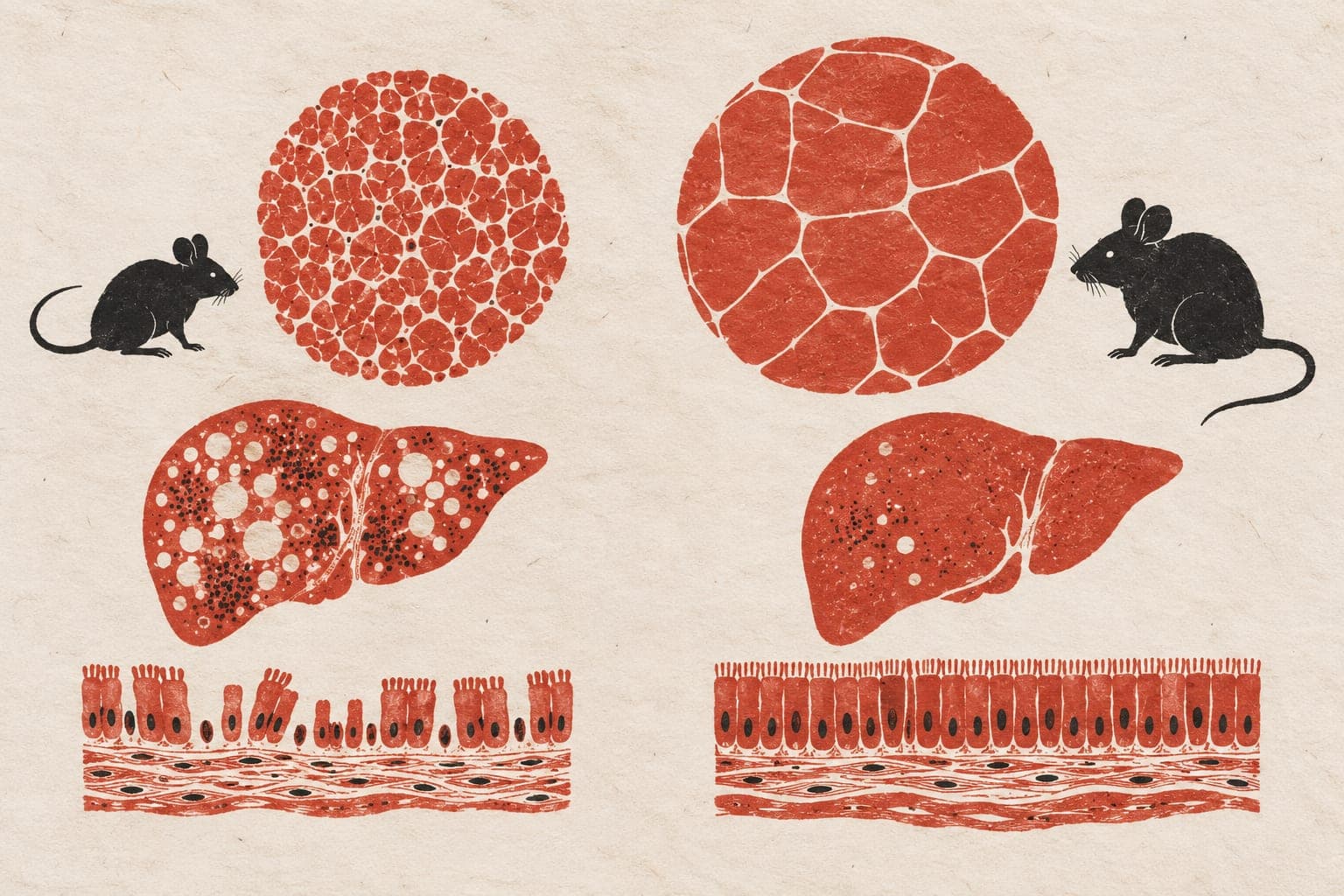
The goal of this protocol is to establish a standardized mouse model that recapitulates the multifactorial damage induced by modern, unhealthy lifestyles. To this end, we developed a novel C57BL/6J model combining randomized circadian rhythm disruption and a high-fat, high-sugar (HFHS) diet, with single-factor HFHS and circadian disruption groups as controls. Compared with controls, the composite model showed more severe metabolic disorders, including increased body weight, elevated fasting glucose and lipid levels, and marked hepatic steatosis, as well as obvious cognitive and motor impairments. The composite model also exhibited more significant accelerated aging, as confirmed by the frailty index and hematoxylin and eosin (HE) staining. This integrated model reliably mimics lifestyle-related metabolic-cognitive decline and premature aging. This step-by-step reproducible protocol supports mechanistic studies on lifestyle-mediated aging and the evaluation of targeted therapeutic strategies.
- Circadian rhythm disruption combined with a high-fat, high-sugar diet
- Circadian clock
- Hepatic steatosis
- Metabolic disorders
- Body weight
- Mice
The paper
Chengde Medical University; State Key Laboratory for Innovation and Transformation of Luobing Theory
Journal of Visualized Experiments, 28 Apr 2026