Exosome-Delivered eNAMPT From Exercise Activates SIRT1 to Counteract Age-Related Hepatic Steatosis and Fibrosis
6 weeks
Abstract
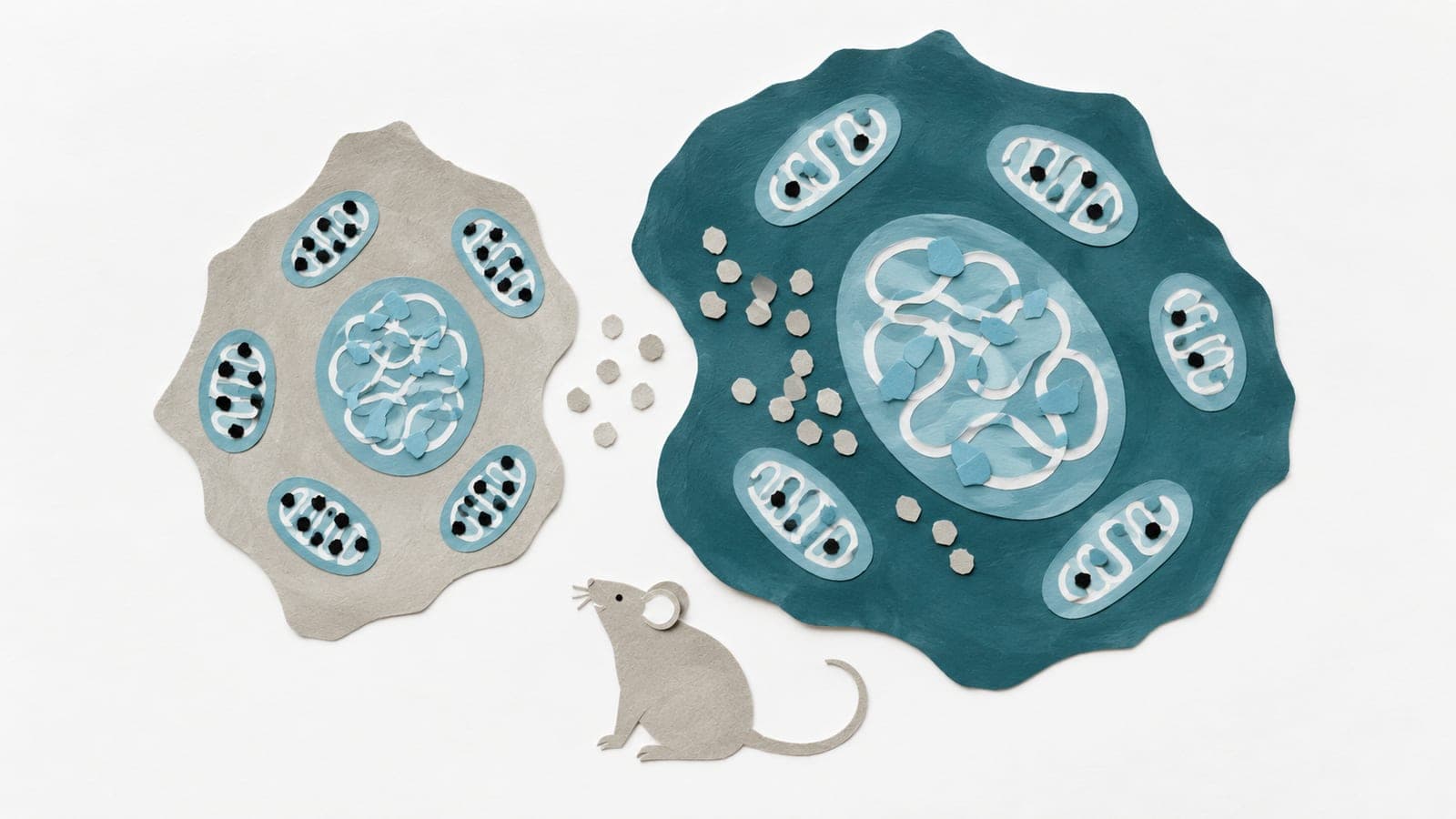
Aging is a major independent risk factor for the development and progression of metabolic dysfunction-associated steatotic liver disease (MASLD); however, effective therapeutic strategies for this population remain limited. Here, we established a model of aging-associated MASLD by subjecting aged mice to a long-term high-fat diet (HFD), which recapitulated key disease features including progressive hepatic steatosis, inflammation, insulin resistance, and fibrosis. A 6-week exercise intervention markedly ameliorated these pathologies by restoring insulin sensitivity and suppressing TGF-β/Smad-mediated fibrotic signaling. We identified exercise-derived exosomes (Exercise-Exos) as primary mediators of these benefits. Western blot analysis revealed that extracellular nicotinamide phosphoribosyltransferase (eNAMPT) was markedly enriched in Exercise-Exos compared to those from sedentary controls. Delivery of exosomal eNAMPT activated the hepatic SIRT1-autophagy axis, restored autophagic flux, and inhibited epithelial-mesenchymal transition (EMT). These effects were demonstrated by an increased LC3-II/LC3-I ratio, reduced p62 accumulation, downregulation of mesenchymal markers (α-SMA, Vimentin), and upregulation of the epithelial marker E-cadherin. Furthermore, Exercise-Exos treatment significantly reduced collagen deposition. Critically, all protective effects were abolished upon pharmacological inhibition of SIRT1 with EX-527, establishing the necessity of the eNAMPT-NAD⁺-SIRT1 cascade. Collectively, our results elucidate a novel exosome-mediated pathway through which exercise mitigates age-related liver disease, positioning exosomal eNAMPT as a promising therapeutic agent and exercise mimetic for MASLD.
The paper
North China University of Science and Technology
Aging Cell, 1 May 2026, Open access