Nonlinear trajectories of multi-organ aging and microbial associations in mice
Abstract
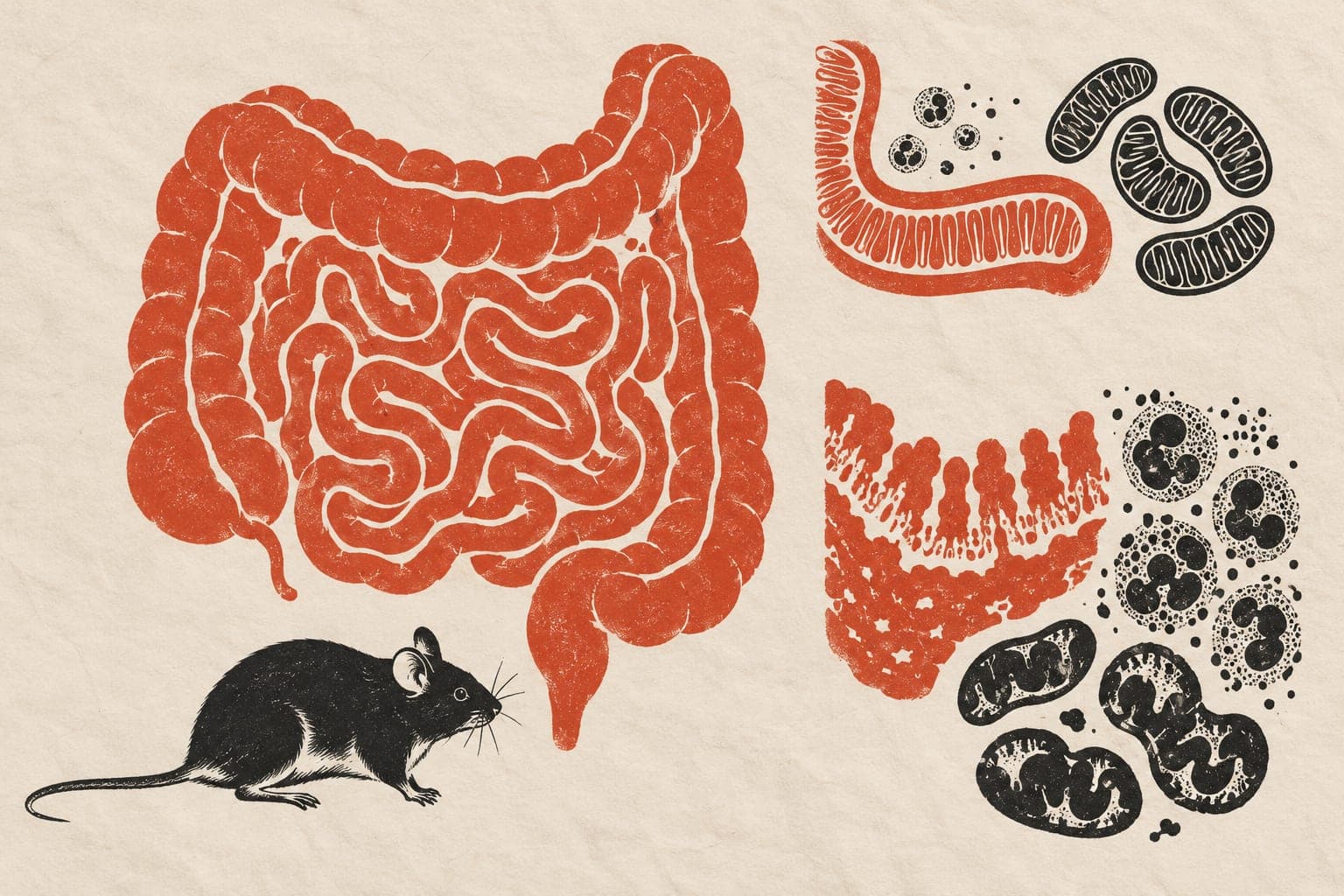
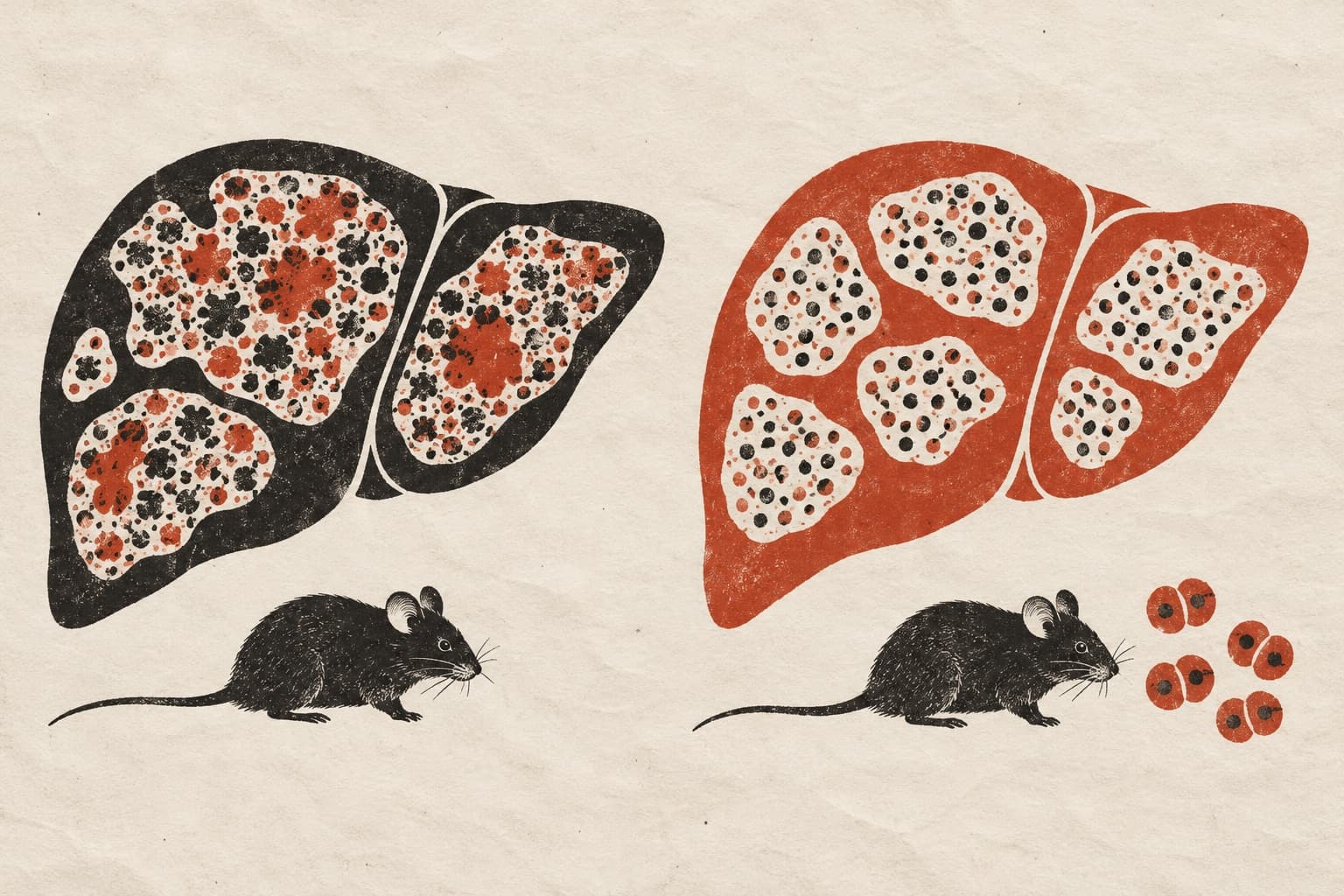
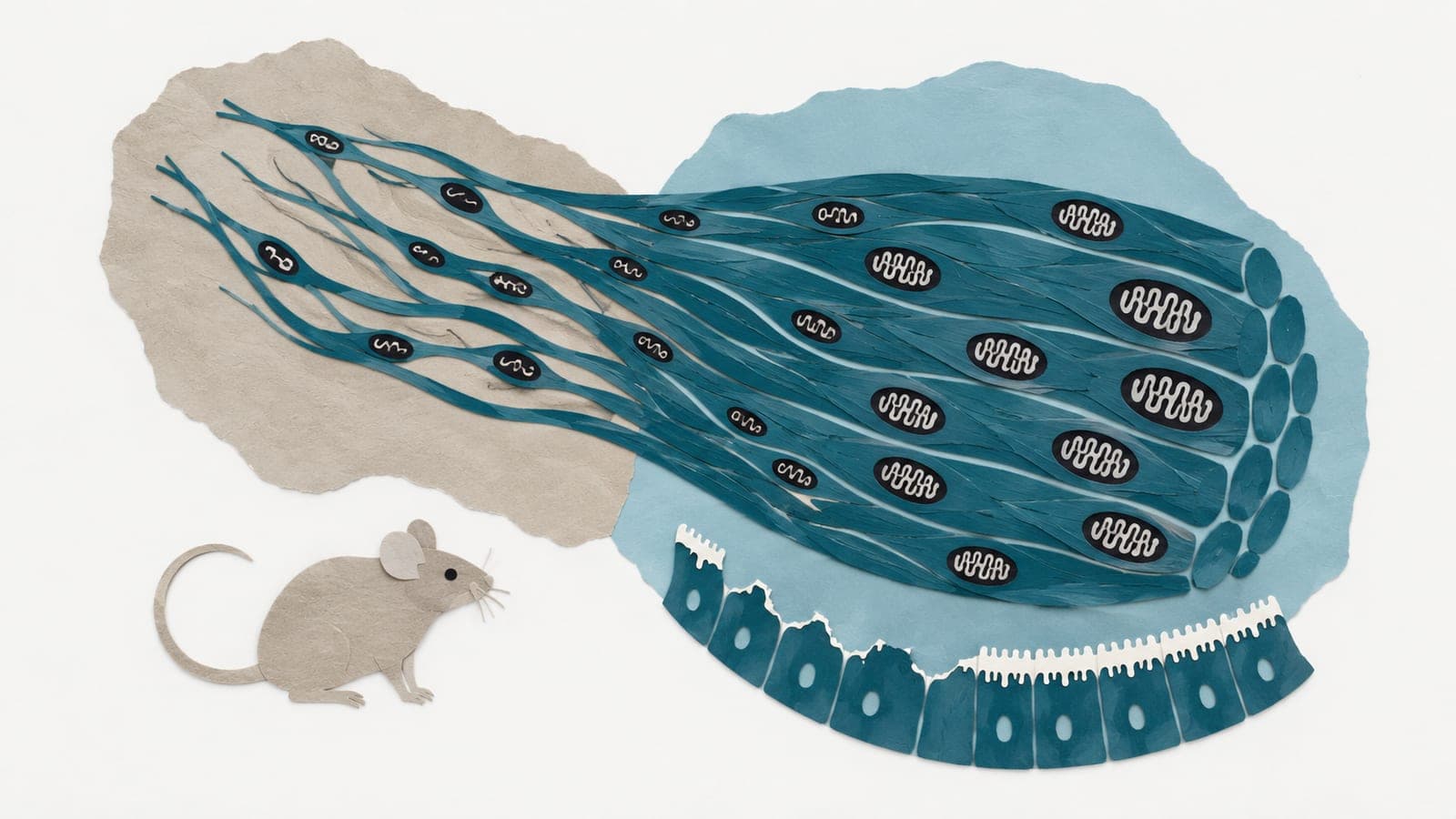
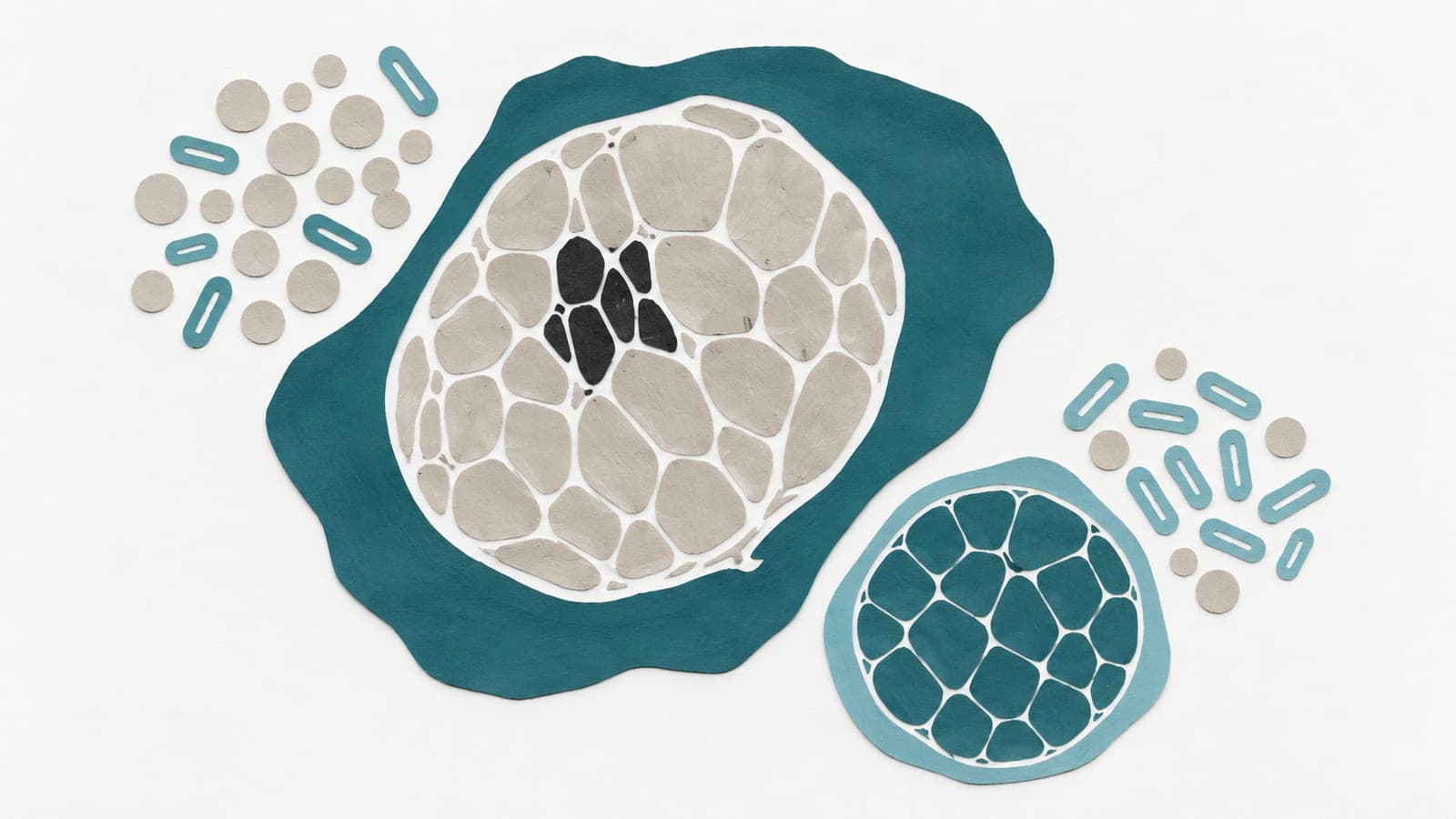
INTRODUCTION: Aging is characterized by progressive, nonlinear decline across organ systems, yet the temporal coordination of multi-organ aging and its relationship with gut microbiota remodeling remain insufficiently defined within a unified framework. OBJECTIVES: This study aimed to identify transition points in multi-organ aging trajectories and explore the potential associations between organ-specific aging phenotypes and gut microbiota dynamics in mice. METHODS: Aging phenotypes, including anatomy and physiology, histopathology, hematology, biochemistry, immunology, and metabolism, were assessed in blood, liver, colon, and brain of male C57BL/6J mice across six age groups (4, 12, 18, 22, 24, and 26 months), coupled with gut microbiota profiling. Molecular markers and the overall aging trajectories of multiple organs were modeled to identify transition points, and their associations with gut microbiota dynamics were evaluated through multivariate associations analyses. RESULTS: Multiple organ phenotypes exhibited distinct nonlinear aging trajectories. Plasma phenotypes peaked at 22.9 months (95% CI: 21.9-23.8), liver phenotypes exhibited biphasic transitions at 17.3 (95% CI: 16.9-17.8) and 25.3 months (95% CI: 24.7-25.8), colon phenotypes peaked at 21.7 months (95% CI: 21.5-21.9), and brain phenotypes peaked at 17.8 months (95% CI: 16.5-18.7). During the multi-organ aging transition phase, gut microbial diversity declined, beneficial genera (e.g., Turicibacter, Parabacteroides, and Alistipes) decreased, whereas dysbiosis-associated genera (e.g., Porphyromonas and Morganella) increased. Time-series clustering revealed six distinct genus-level temporal patterns. Multivariate modeling identified reduced microbial feature sets associated with organ-specific phenotypes, with more consistent associations observed for plasma and colon traits (plasma: R²Y = 0.713, Q² = 0.694; colon: R²Y = 0.594, Q² = 0.509). CONCLUSION: Distinct nonlinear and asynchronous aging trajectories were identified across organs, with transition phases concentrated between 17 and 25 months. Gut microbiota features are associated with multi-organ aging phenotypes and may represent candidate indicators of multi-organ decline.
- Microbiome composition
- Alistipes abundance
- Gut microbial diversity
- Gut microbiota features
- Morganella abundance
- Mice
The paper
Sun Yat-sen University
Journal of Advanced Research, 21 Apr 2026, Open access