Neural embedding of frailty in cognitively unimpaired aging and dementia across Latin America
Abstract
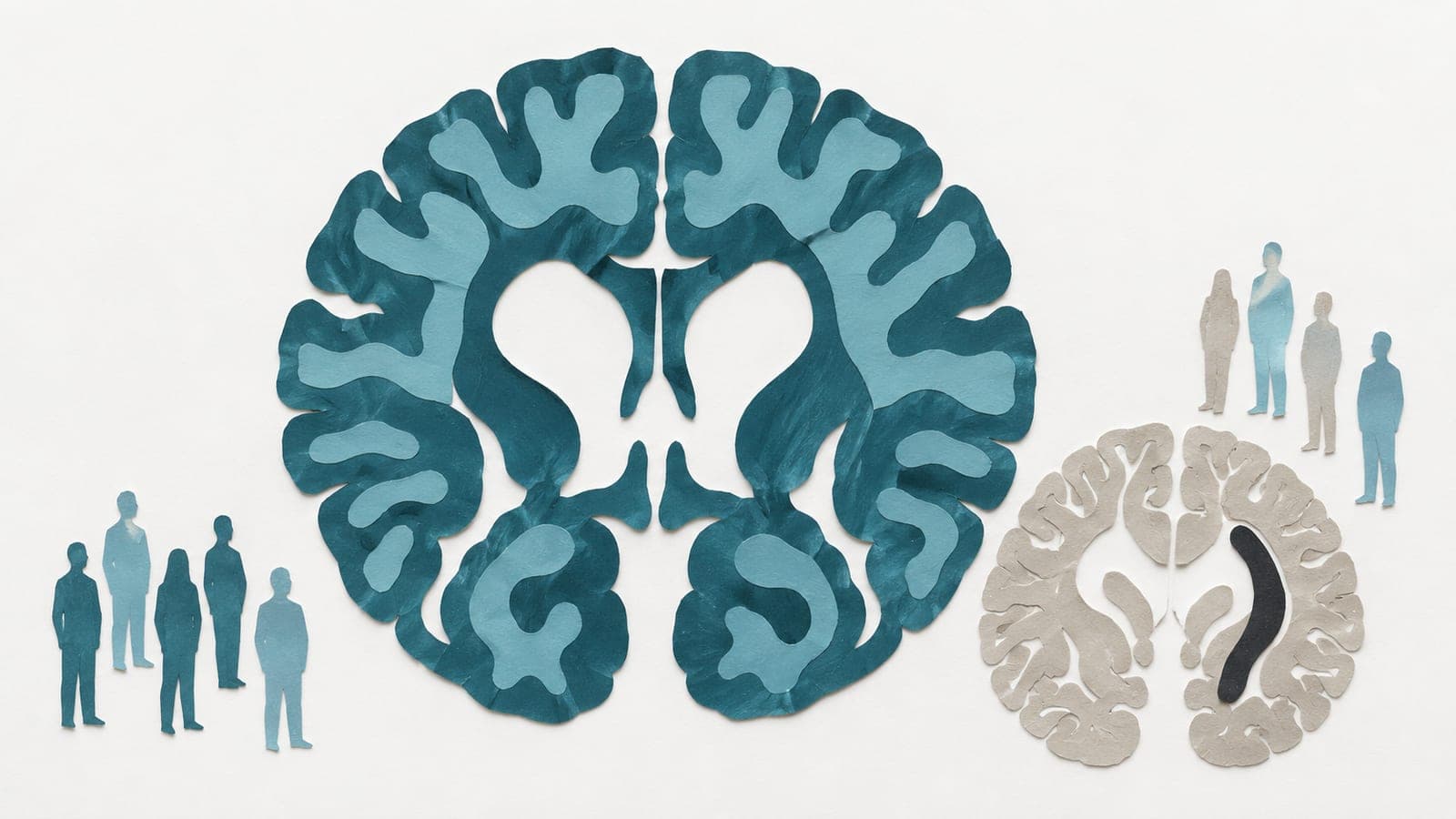
INTRODUCTION: Frailty influences dementia risk and severity. However, its role in differentiating dementia subtypes and associations with brain structural and functional alterations remain understudied, especially in Latin America. METHODS: Multi-Partner Consortium to Expand Dementia Research in Latin America data included 3461 participants (cognitively unimpaired [CU], Alzheimer's disease [AD], and frontotemporal lobar degeneration [FTLD]) from Latin America using a frailty index constructed from 32 health-related variables. XGBoost-logistic regression models tested group discrimination, and voxel-based morphometry plus functional connectivity analyses explored neural correlates. RESULTS: Frailty distinguished CU from AD (area under the curve [AUC] = 0.85) and CU from FTLD (AUC = 0.88) but not AD from FTLD (AUC = 0.59). Higher frailty was linked to widespread gray matter loss, with temporal involvement in CU and stronger frontotemporal effects in dementia, particularly FTLD. Connectivity analyses showed fronto-temporo-posterior reductions and increased connectivity across the frailty network. DISCUSSION: Findings position frailty as a promising marker for identifying AD and FTLD relative to CU individuals, linked with brain health alterations in Latin American populations.
- Dementia
- Alzheimer's disease
- Frontotemporal lobar degeneration
- Frailty index
- Functional connectivity
- Humans
The paper
Trinity College Dublin
Alzheimer's & Dementia, 1 Apr 2026, Open access