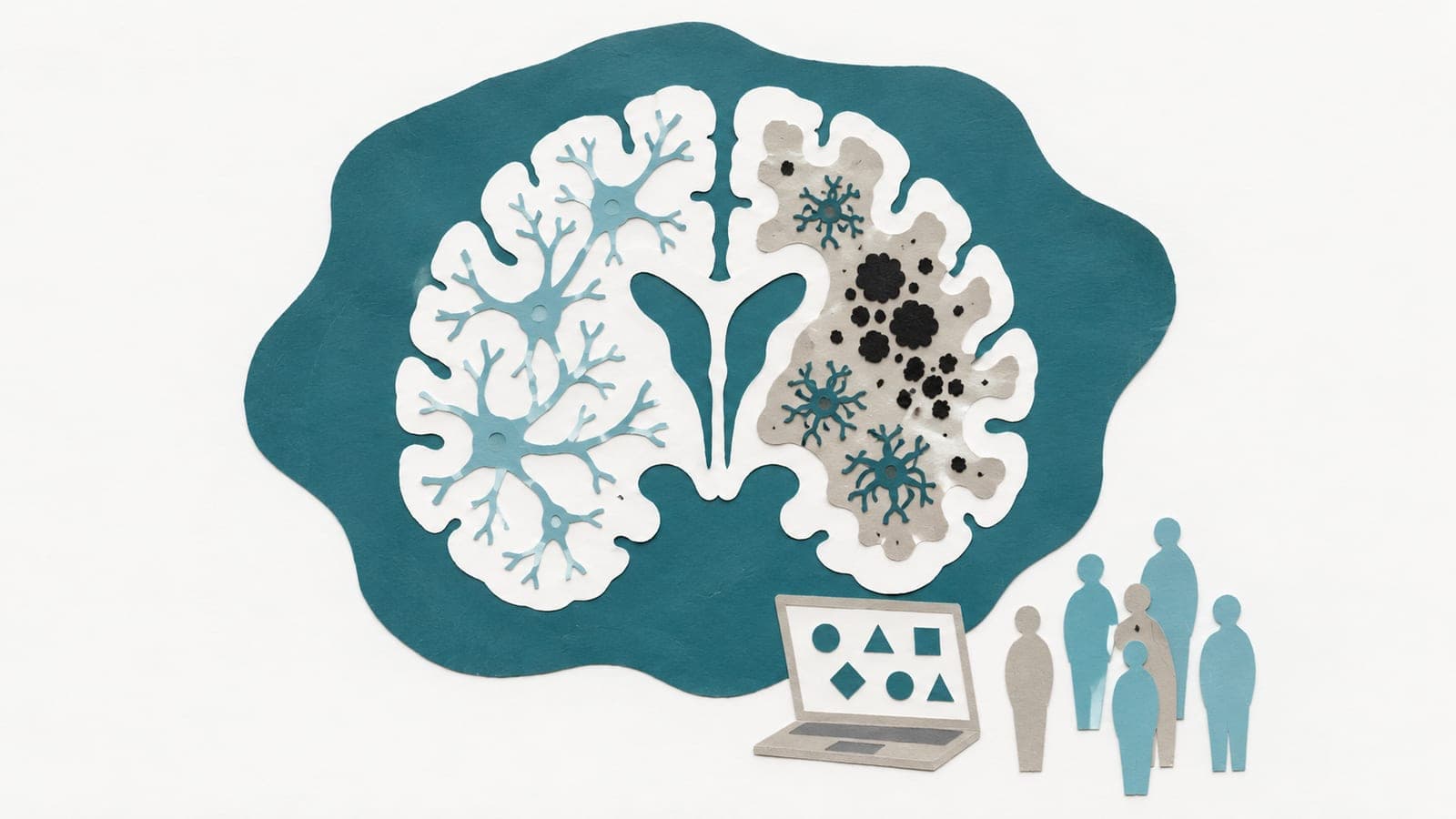
Symptoms and blood tests helped predict Alzheimer’s progression
A measure of prediction performance rose from 0.79 for symptoms alone to 0.90 when blood biomarkers were added.
4 years, registered NCT01231971
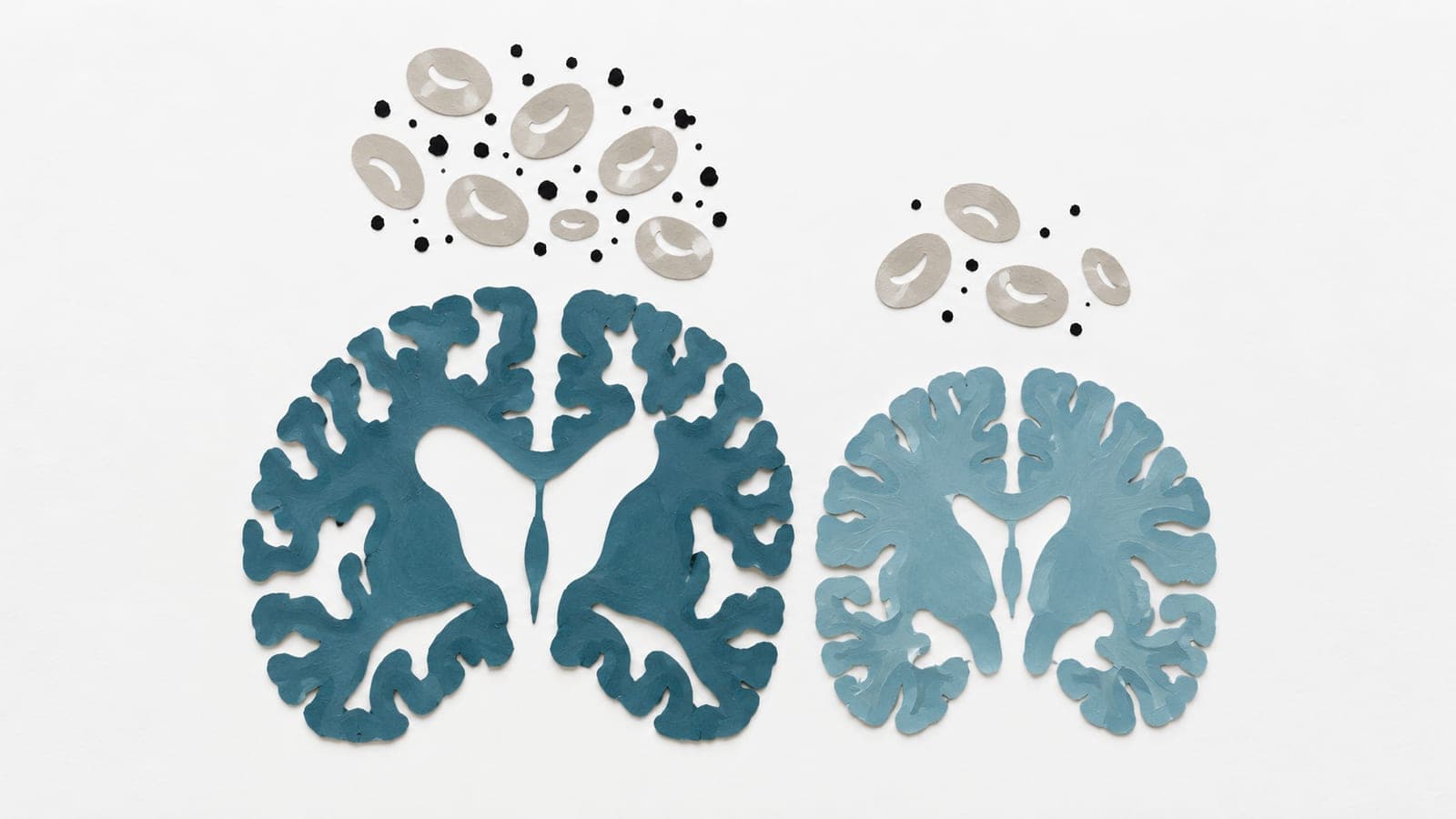
An observational study analysed data from 603 participants in the Alzheimer's Disease Neuroimaging Initiative-2 and 378 in the Alzheimer's Disease Neuroimaging Initiative-3. Researchers used subjective ratings to estimate symptom burden. They assessed progression over four years to mild cognitive impairment—mild problems with memory or thinking—or dementia associated with brain changes involving amyloid-beta, a protein linked to Alzheimer’s disease.
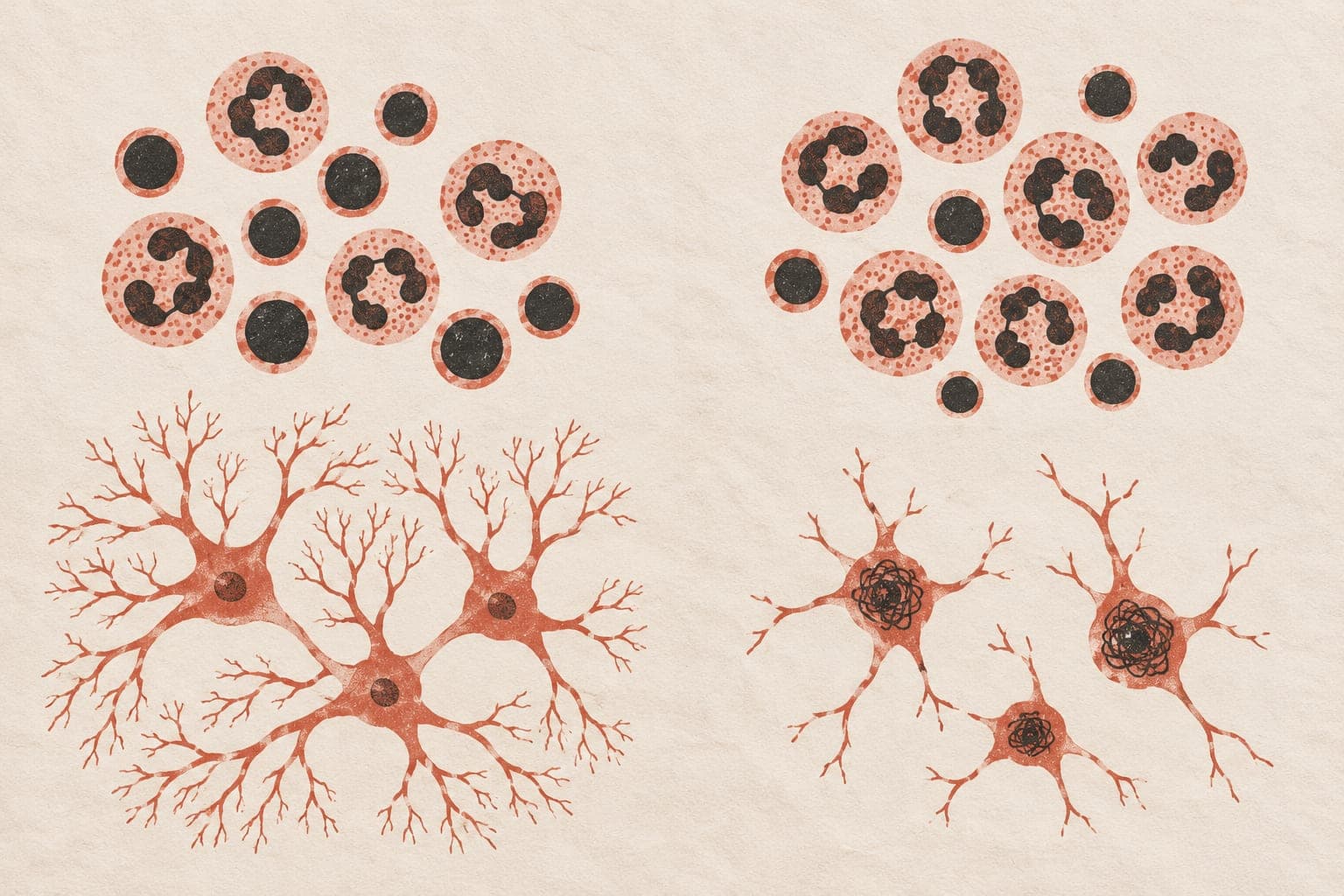
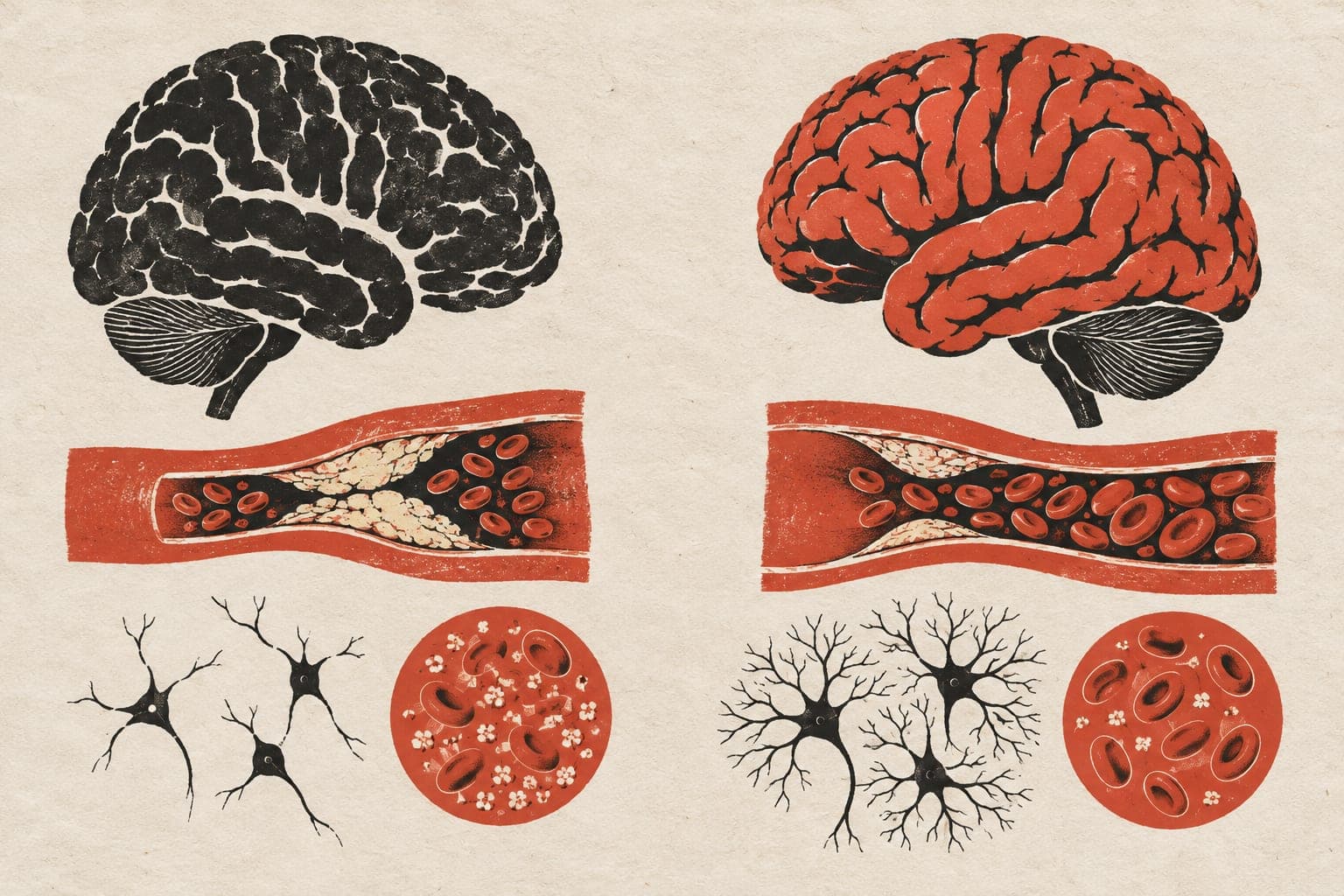
Combining symptoms with blood biomarkers, measurable signs of biological processes, improved predictions compared with symptoms alone. Participants with elevated symptoms and biomarkers had a progression incidence of 72.1%. Researchers developed the approach in the first dataset and replicated the findings in the second.
Why it matters
For Alzheimer’s disease, an age-related cause of cognitive decline, this approach may offer a more efficient way to identify cases at risk of clinical progression.
Caveats
This observational analysis tested prediction, not whether symptom-guided testing improved care or health outcomes. The abstract did not specify participants’ ages or which blood biomarkers were used.
The paper
Symptom-Guided Blood Biomarker Testing for Alzheimer's Disease
Dementia and Geriatric Cognitive Disorders, 12 Oct 2026