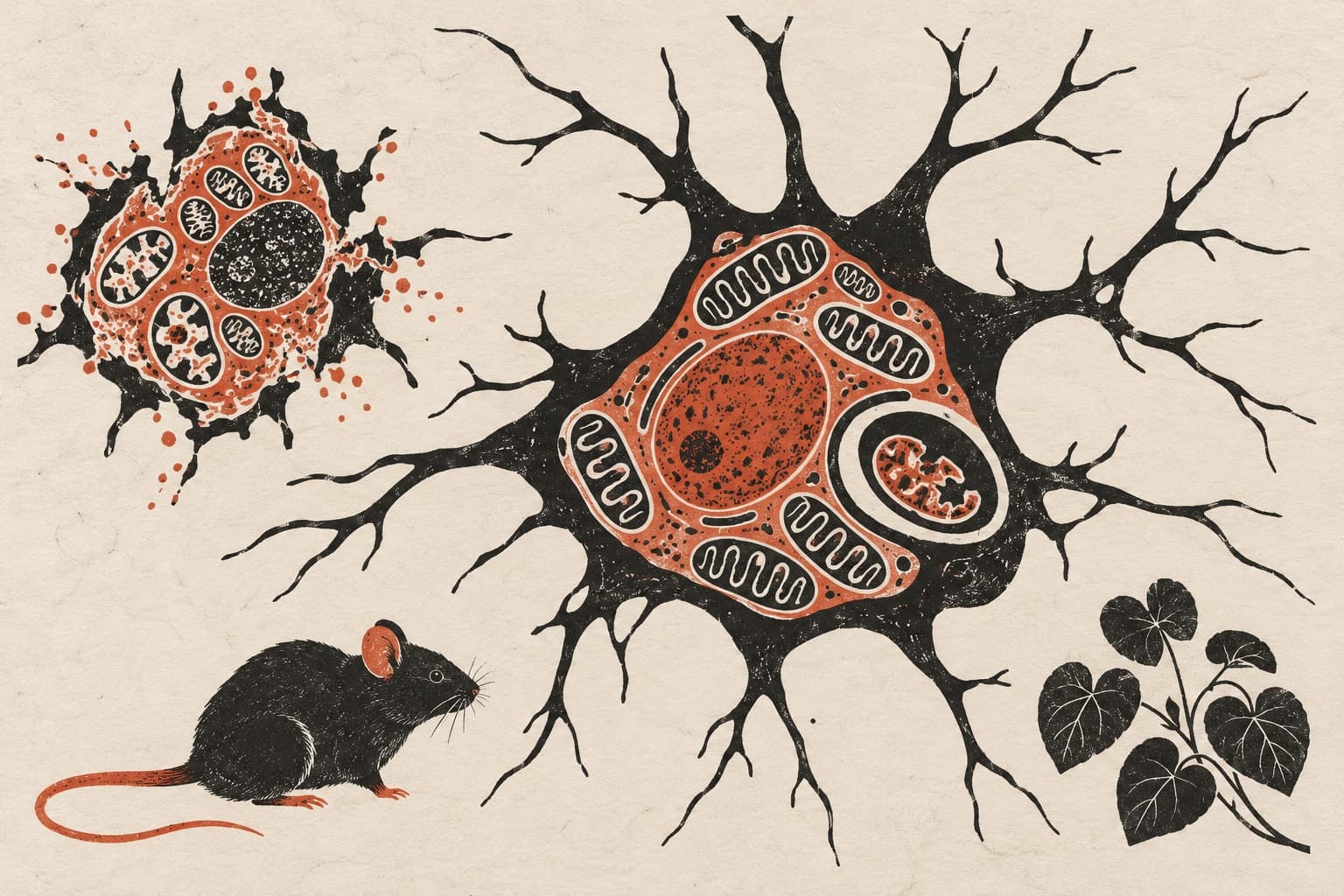
Linking mitochondrial DNA release to neurodegeneration and cognitive decline
Abstract
Mitochondrial DNA (mtDNA) has been recognized as a key link between mitochondrial dysfunction and neuroinflammation in neurodegenerative diseases. Beyond being a vulnerable target of oxidative damage, mtDNA can act as a damage-associated molecular pattern when released from mitochondria, triggering innate immune signaling pathways in the nervous system. This review synthesizes current evidence on the mechanisms regulating mtDNA escape from mitochondria into the cytosol and its subsequent intracellular and extracellular effects, reframing mtDNA as an active driver of inflammatory processes rather than a passive by-product of mitochondrial injury. We discuss how defects in mitochondrial quality control, particularly impaired mitophagy and macroautophagy, promote the accumulation of damaged mtDNA, including its release via mitochondria-derived vesicles, exosomes or as cell-free mtDNA. By integrating mitochondrial dysfunction, immune activation, and clearance pathways, this review highlights the mitochondria-immune axis as a central contributor to neurodegeneration and cognitive decline, identifying upstream molecular targets with potential for therapeutic intervention.
The paper
Centro de Neurociências e Biologia Celular
Ageing Research Reviews, 21 Feb 2026, Open access