(Pro)renin receptor (PRR) exacerbates diabetic cardiomyopathy by suppressing LRRK2-Mediated mitophagy and promoting senescence
Abstract
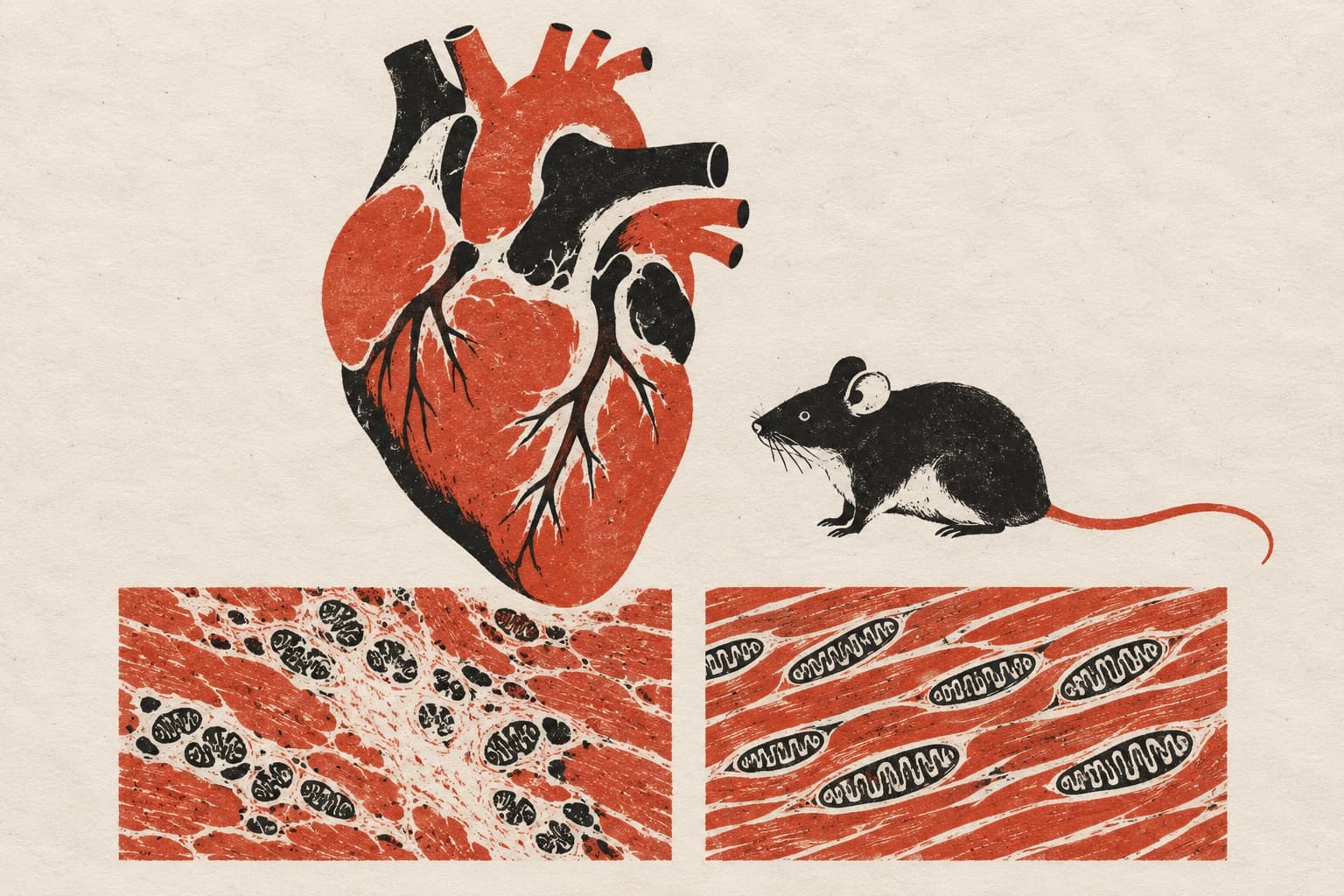
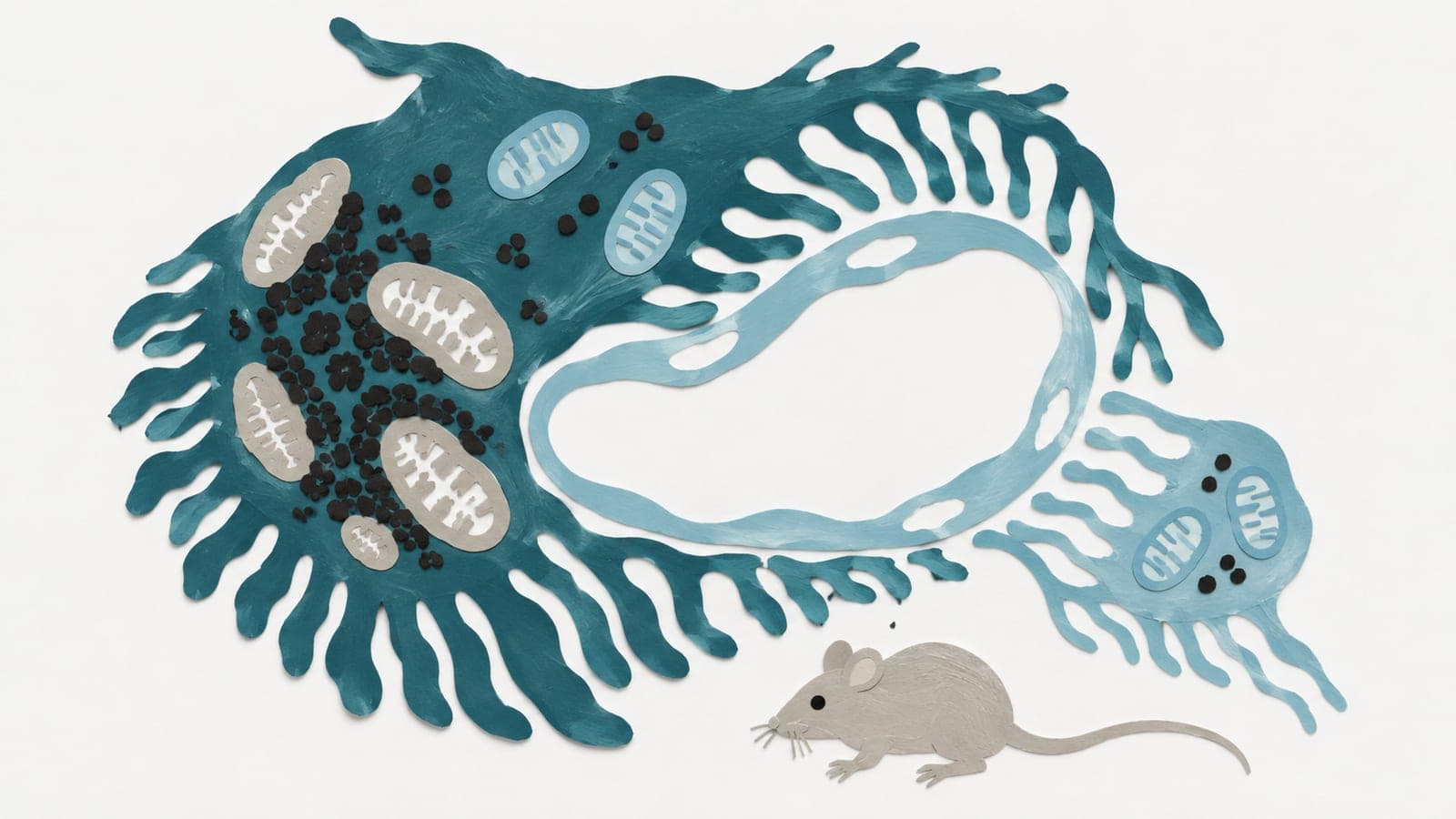
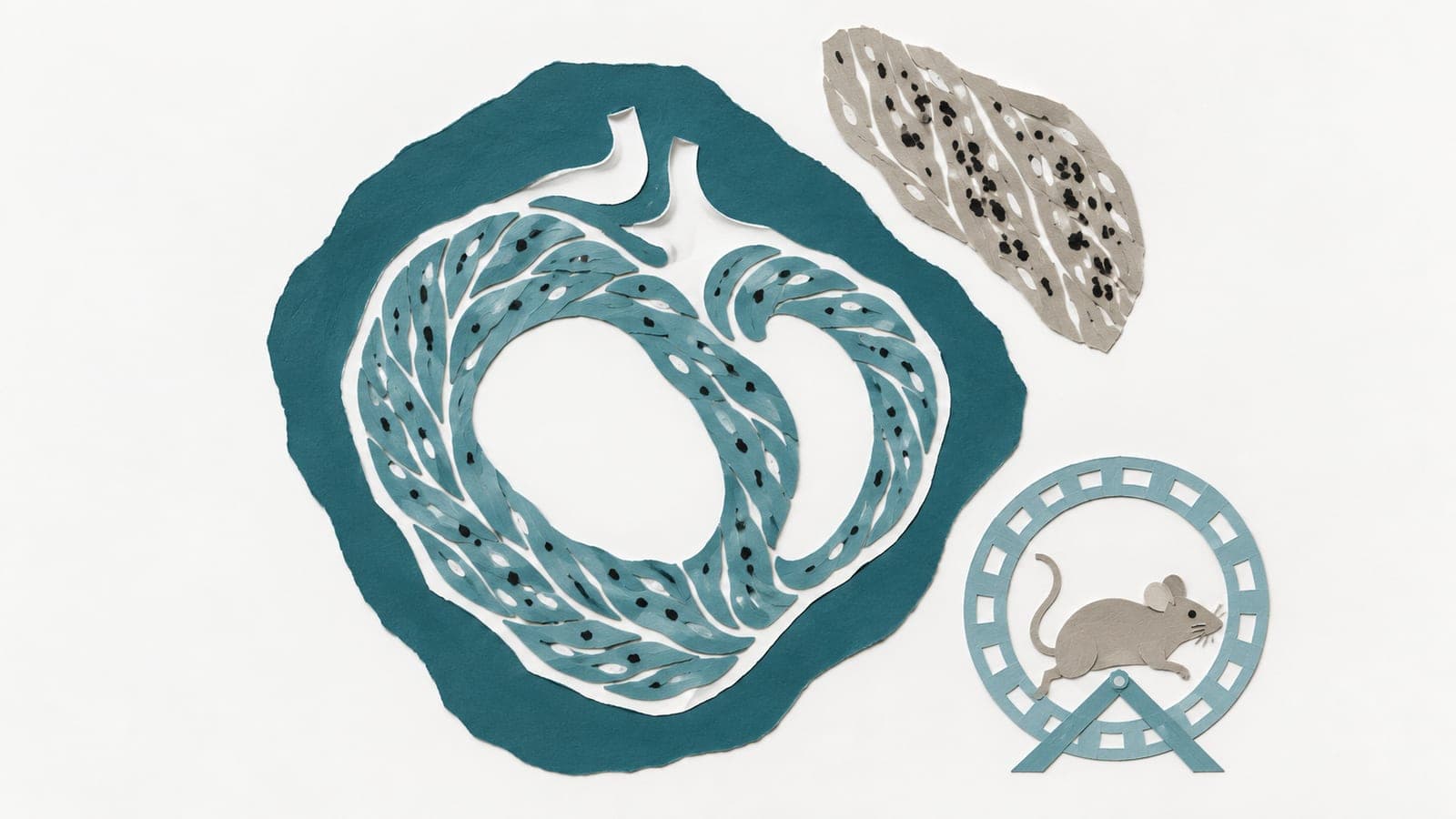
BACKGROUND: Diabetic cardiomyopathy (DCM) is a major complication of diabetes mellitus, leading to significant mortality. The (Pro)renin Receptor (PRR) is implicated in cardiovascular pathology, but its specific role in regulating mitochondrial quality control and cellular senescence in the context of DCM remains poorly understood. This study aimed to elucidate the mechanism by which PRR contributes to myocardial injury in DCM. METHODS: DCM was induced in mice using a high-fat diet combined with streptozotocin injection. The function of PRR was investigated in vivo and in high-glucose (HG)-stimulated neonatal rat cardiomyocytes (NRCMs) in vitro using adenoviral vectors for overexpression and knockdown. Cardiac function, myocardial remodeling (fibrosis, hypertrophy), mitophagy, and senescence were assessed using echocardiography, histological and immunofluorescence staining, Western blot, and RT-qPCR. RNA-sequencing was employed to identify downstream targets of PRR, and the protein-protein interaction was validated by co-immunoprecipitation and pull-down assays. RESULTS: PRR expression was significantly upregulated in the myocardium of DCM mice and in HG-treated NRCMs. Overexpression of PRR exacerbated cardiac dysfunction, myocardial fibrosis, and hypertrophy, which was associated with impaired mitophagy and increased cellular senescence. Conversely, genetic knockdown of PRR ameliorated these pathological changes. Mechanistically, PRR was found to physically interact with and suppress kinase activity of Leucine-rich repeat kinase 2 (LRRK2). Silencing LRRK2 abolished the protective effects of PRR knockdown, confirming that LRRK2 is a critical downstream mediator of PRR's detrimental effects. CONCLUSIONS: PRR exacerbates diabetic cardiomyopathy by suppressing LRRK2, leading to impaired mitophagy and accelerated cellular senescence. The PRR/LRRK2 axis may be a potentially promising and novel therapeutic paradigm for treating DCM, and targeting PRR may represent a possibly promising therapeutic strategy.
The paper
Shandong Provincial Hospital; Chinese Academy of Medical Sciences & Peking Union Medical College
Free Radical Biology & Medicine, 29 Jan 2026