The aggregate proteome of Caenorhabditis elegans mitochondria implicates shared mechanisms of aging and Alzheimer's disease
Abstract
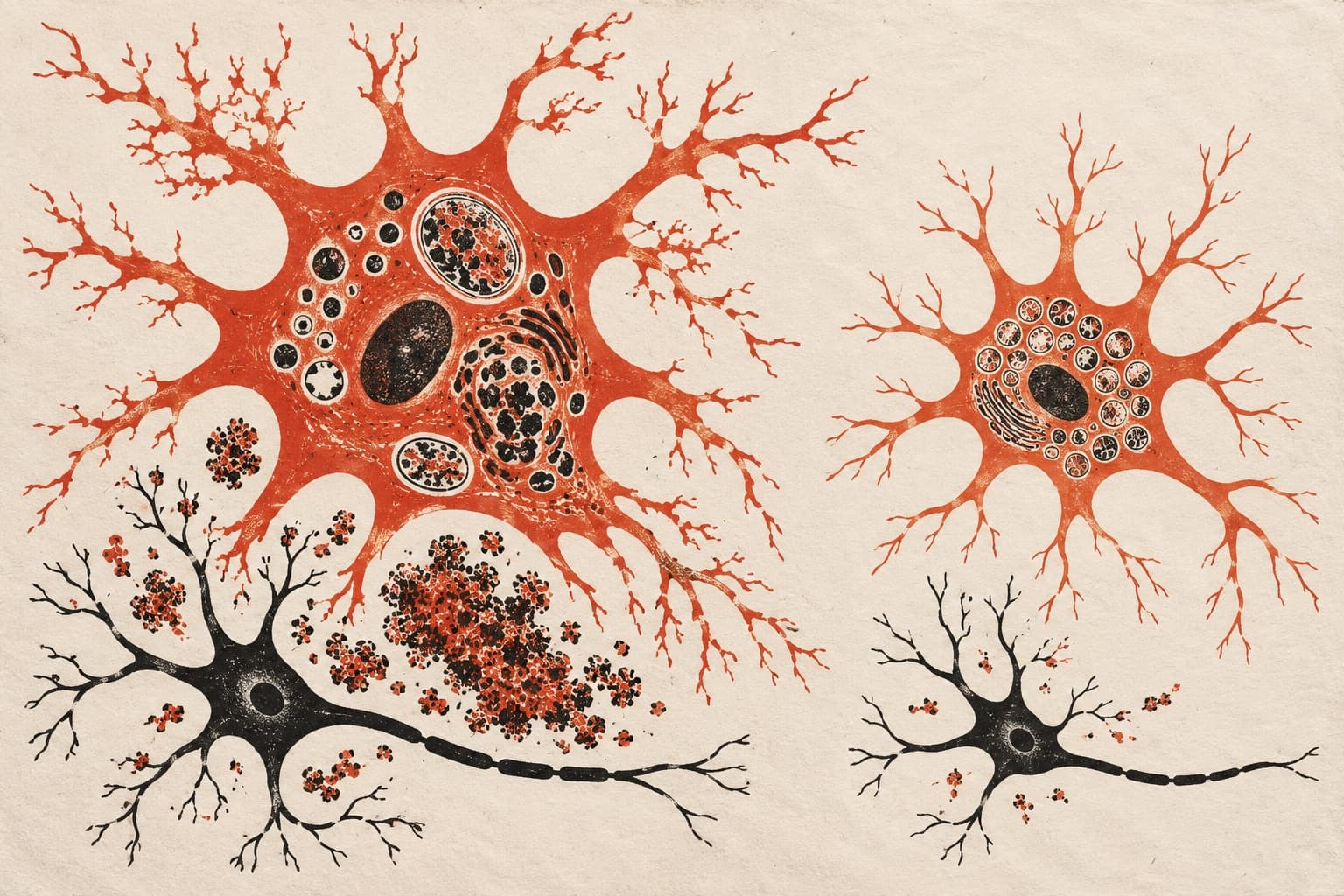
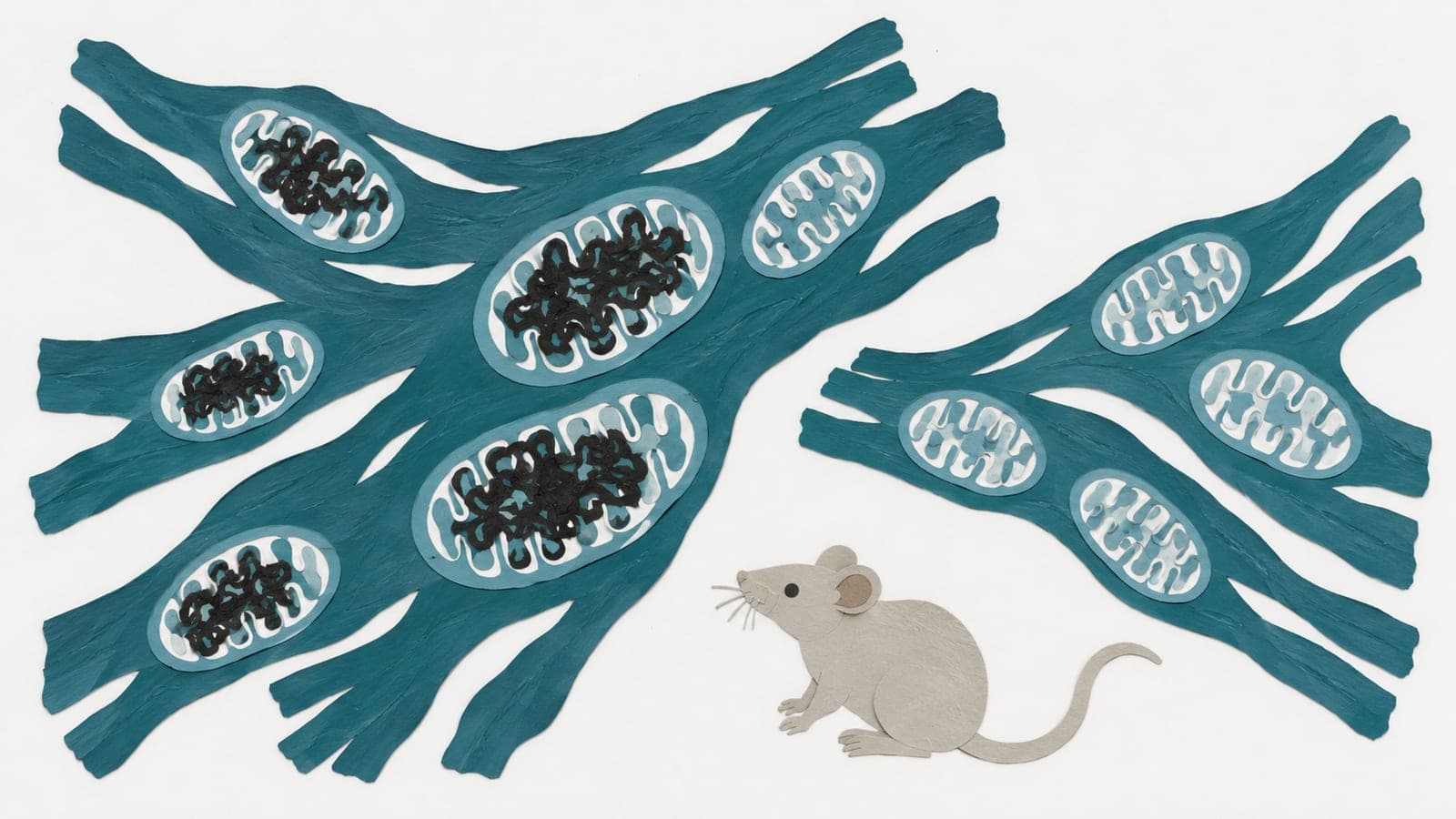
BACKGROUND: Mitochondrial dysfunction and protein aggregation are central features of brain aging and Alzheimer's disease (AD). To define how AD seed proteins modulate these processes, we applied quantitative proteomics to sarkosyl-insoluble aggregates from C. elegans models of normal aging and from worms expressing human Aβ or Tau transgenes. RESULTS: Normal aging produced a late-onset accrual of mitochondrial proteins within aggregates, implicating impaired energy metabolism and proteostasis collapse. Aβ expression caused a striking expansion and included glycolytic enzymes, tricarboxylic acid cycle components, ribosomal proteins, and trafficking factors, consistent with broad proteostatic and bioenergetic stress, largely overlapping with aging-associated species, yet advanced in onset. Tau expression yielded a smaller set enriched for cytoskeletal, vesicular, and nuclear pore components. Post-translational modifications (4-HNE adducts, phosphorylation, acetylation, methionine oxidation) revealed distinct trajectories: Aβ imposed early oxidative and phosphorylation burden, whereas Tau and aging showed midlife PTM peaks consistent with delayed proteostasis collapse. Cross-species comparison revealed 68 insoluble proteins shared between worm models and human AD brain aggregates. From these, 17 conserved metabolic, chaperone, and trafficking proteins were prioritized by network metrics and validated functionally: RNAi knockdowns aggravated paralysis or impaired chemotaxis, confirming their functional importance. CONCLUSION: These findings place mitochondrial proteome collapse at the center of aging and AD-seeded pathology, distinguish Aβ- and Tau-driven proteotoxic routes, and nominate a conserved panel of aggregation-prone proteins as mechanistic drivers and candidate biomarkers for early detection and intervention in AD.
The paper
University of Arkansas at Little Rock
Frontiers in Aging Neuroscience, 13 Jan 2026