A protein raised aging markers in lab-grown placental cells
Experiments using a human placental cell line also found reduced invasion into surrounding material when researchers increased the protein BCL10.
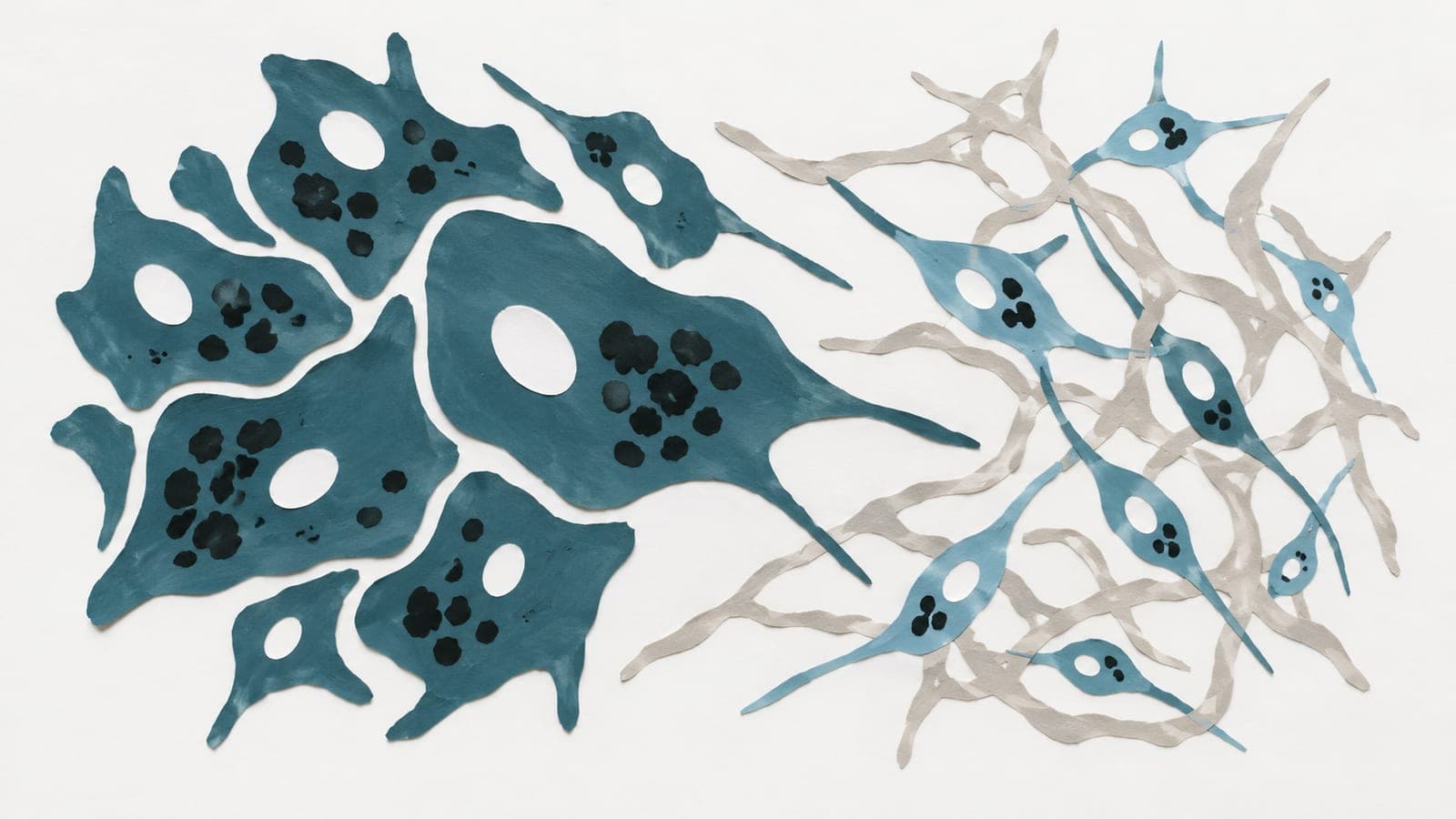
Researchers tested the protein BCL10 in HTR-8/SVneo cells, a human trophoblast cell line; trophoblasts help form the placenta. They used hydrogen peroxide to model senescence, a state in which cells stop dividing. They also analysed placental gene activity and used Mendelian randomisation, an analysis using genetic differences, to identify candidate genes linked to preeclampsia, a pregnancy complication involving high blood pressure.
Increasing BCL10 raised senescence markers and reduced the cells’ ability to invade surrounding material. Silencing BCL10 reversed these changes. The genetic analysis linked BCL10 to preeclampsia risk. Placental tissue from patients with preeclampsia also showed trophoblast senescence, and BCL10 levels were higher in preeclampsia.
Why it matters
The work addressed how cell senescence may contribute to placental dysfunction in preeclampsia. The authors suggested that targeting BCL10 may alleviate aging-related placental complications.
Caveats
The functional results came from a cell line, not a trial in patients. They do not show whether targeting BCL10 would improve preeclampsia.
The paper
Changzhou Maternal and Child Healthcare Hospital
Journal of Hypertension, 12 Oct 2026