Physical activity offsets air pollution-related cognitive decline: a retrospective cohort study based on China Health and Retirement Longitudinal Study
Dose-response
Abstract
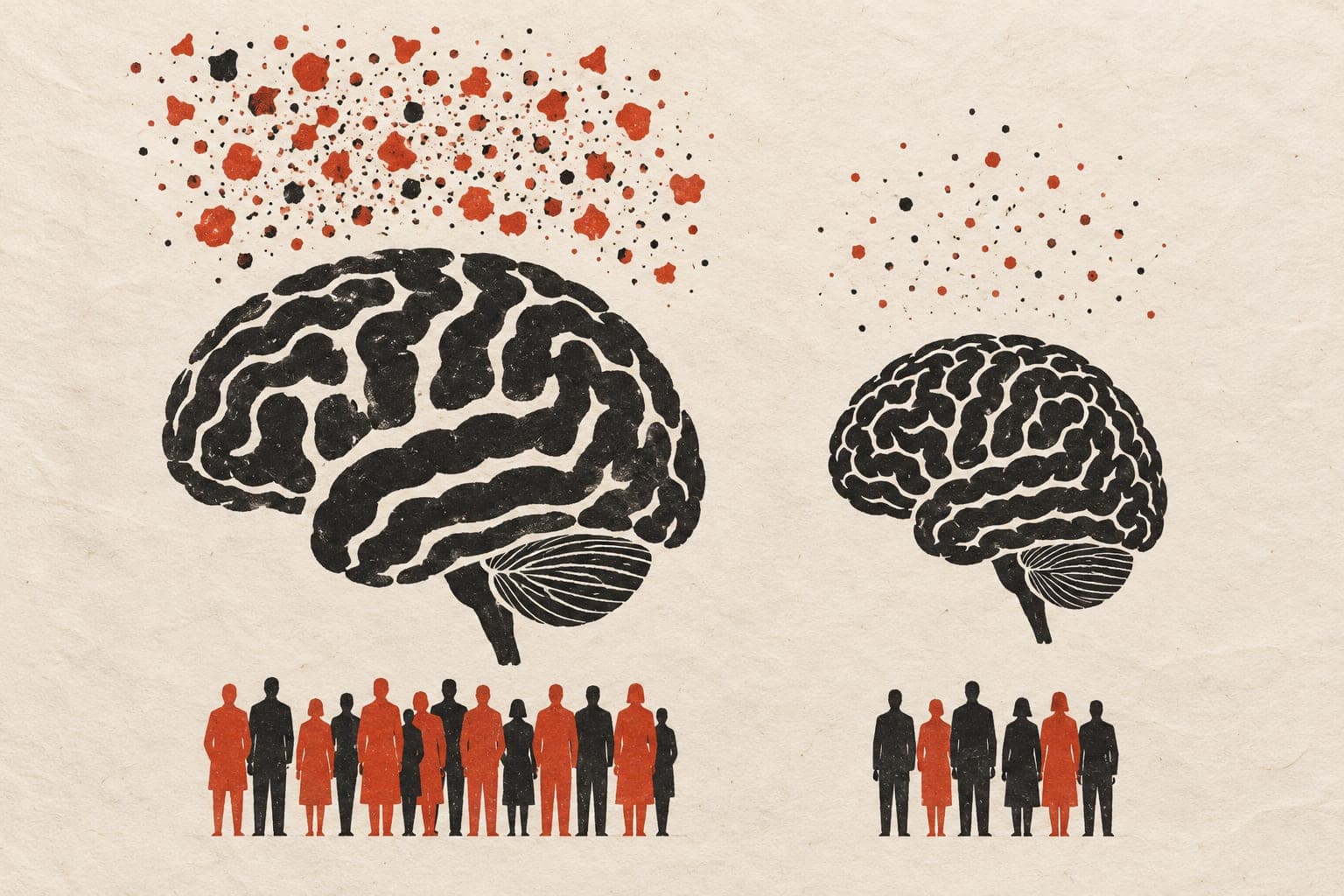
BACKGROUND: This study examined whether physical activity (PA) buffers air-pollution-related cognitive decline in middle-aged and older adults, quantified the dose-response relationship, and derived pollution-specific PA recommendations. METHODS: Data came from 5 waves (2011-2020) of the China Health and Retirement Longitudinal Study, including 12 196 adults aged ≥45 years. Ambient pollutants were estimated using a high-resolution satellite-based model. Linear mixed-effects models assessed main and interactive effects of PM2.5, PA, and PA × PM2.5 on cognition, stratified by socioeconomic status (SES) and residential setting. Isotemporal substitution and generalized additive models evaluated risk-benefit trade-offs and non-linearities. PA prescriptions were calculated using (PM2.5-25) × 1.316, with values ≤0 set to 0. RESULTS: Higher PM2.5 exposure predicted poorer cognition (β = -.0146, p < .001). PA buffered this effect (interaction β = .0344, p = .001), consistent across SES and residence. Among PM2.5 constituents, sulfate (β = -.0136) and black carbon (BC) (β = -.1059) were harmful. Vigorous PA neutralized the BC effect, while light-to-moderate PA offset the sulfate effect. Isotemporal substitution showed that 13.16 min/day of PA offset the cognitive impact of a 10 µg/m³ increase in PM2.5. Region-specific estimates required 10.92 min/day in Beijing and 4.01 in Shanghai, while Guangdong and Fujian required none. CONCLUSIONS: Sulfate and BC are key drivers of PM2.5-related cognitive decline. Roughly 13 min of daily PA neutralizes the effect of each 10 µg/m³ PM2.5 rise. Light-to-moderate PA is preferable in sulfate-dominated areas, while vigorous PA is more effective in BC-dominated regions.
The paper
Nanjing Normal University
The Journals of Gerontology, Series A, 30 Dec 2025