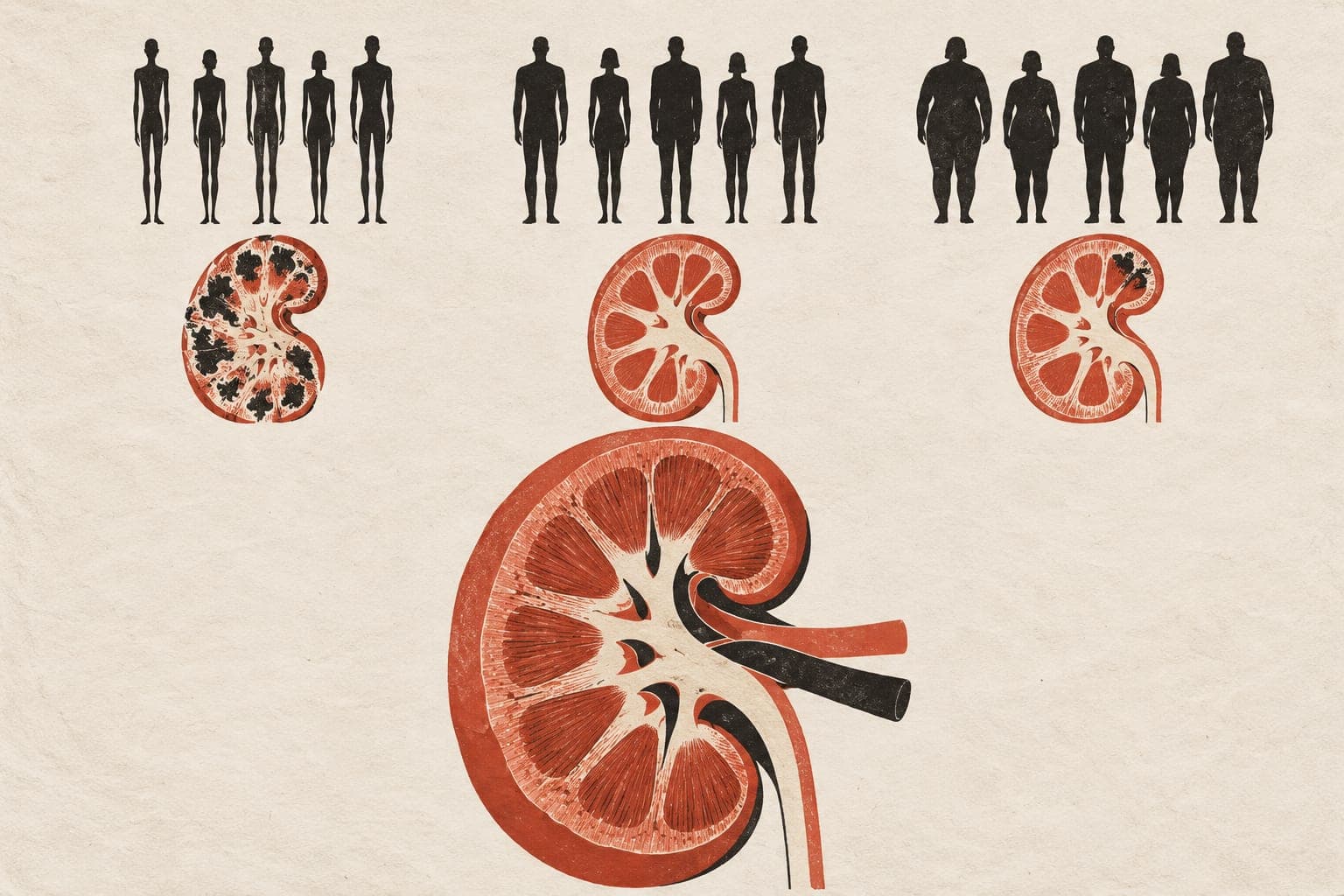
Long-term air pollution is linked to chronic kidney disease
A higher combined air pollution score was linked to a 51% greater risk of chronic kidney disease across 15,580 adults in Beijing.
Environmental Pollution
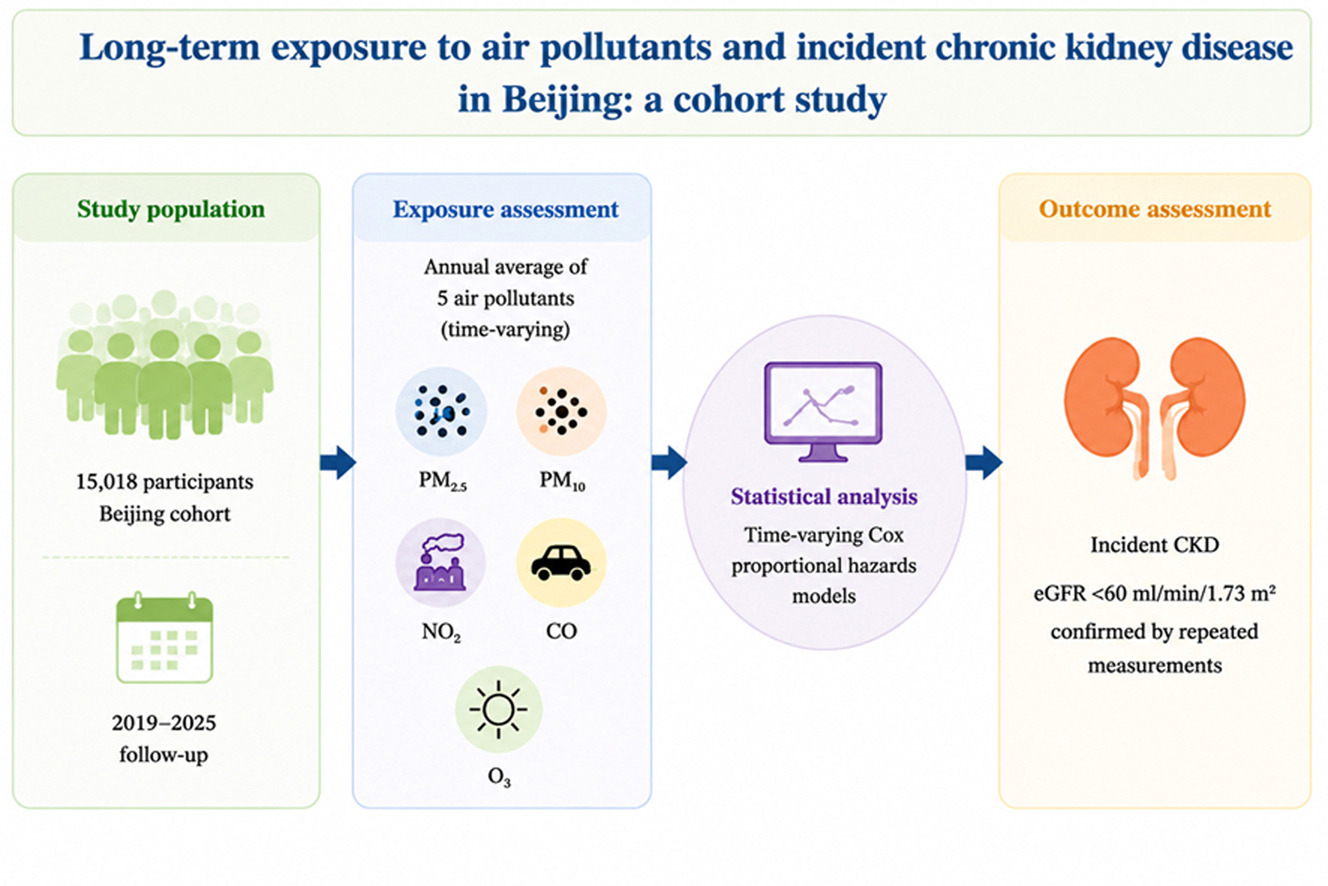
An observational cohort study tracked 15,580 adults from the Beijing Air Pollution and Population Health Cohort between 2019 and 2025. Researchers collected annual concentrations of five ambient air pollutants and identified chronic kidney disease by calculating estimated glomerular filtration rate from biochemical measurements. Over the follow-up period, 664 participants developed chronic kidney disease. For every 10 micrograms per cubic metre rise in exposure, coarse particulate matter was associated with an 18% higher risk and carbon monoxide with a 2% higher risk. Conversely, ozone was inversely associated with risk. For fine particulate matter and nitrogen dioxide, the range of likely values included no difference. Each interquartile range increase in a composite air pollution score was linked to a 51% higher risk of the disease, with stronger positive associations observed in females and older adults.
Why it matters
Kidney function naturally declines with advancing age, making chronic kidney disease a major burden in older populations. Identifying how airborne pollutants relate to kidney decline could help illuminate environmental factors that influence organ aging.
Caveats
Because this was an observational study, it cannot show that air pollution causes chronic kidney disease. In addition, ambient air pollutant concentrations may not capture differences in personal exposure.
- Carbon monoxide
- Ozone
- Nitrogen dioxide
- Chronic kidney disease
- Estimated glomerular filtration rate
- Humans
The paper
Show 3 more authors
Chao Wang, Ming Li, Wei Li,China Medical University
Environmental Pollution · 8 Oct 2026