Interleukin-33-Mediated Mechanical-Loading Induced Degeneration of Knee Joint Chondrocytes
Abstract
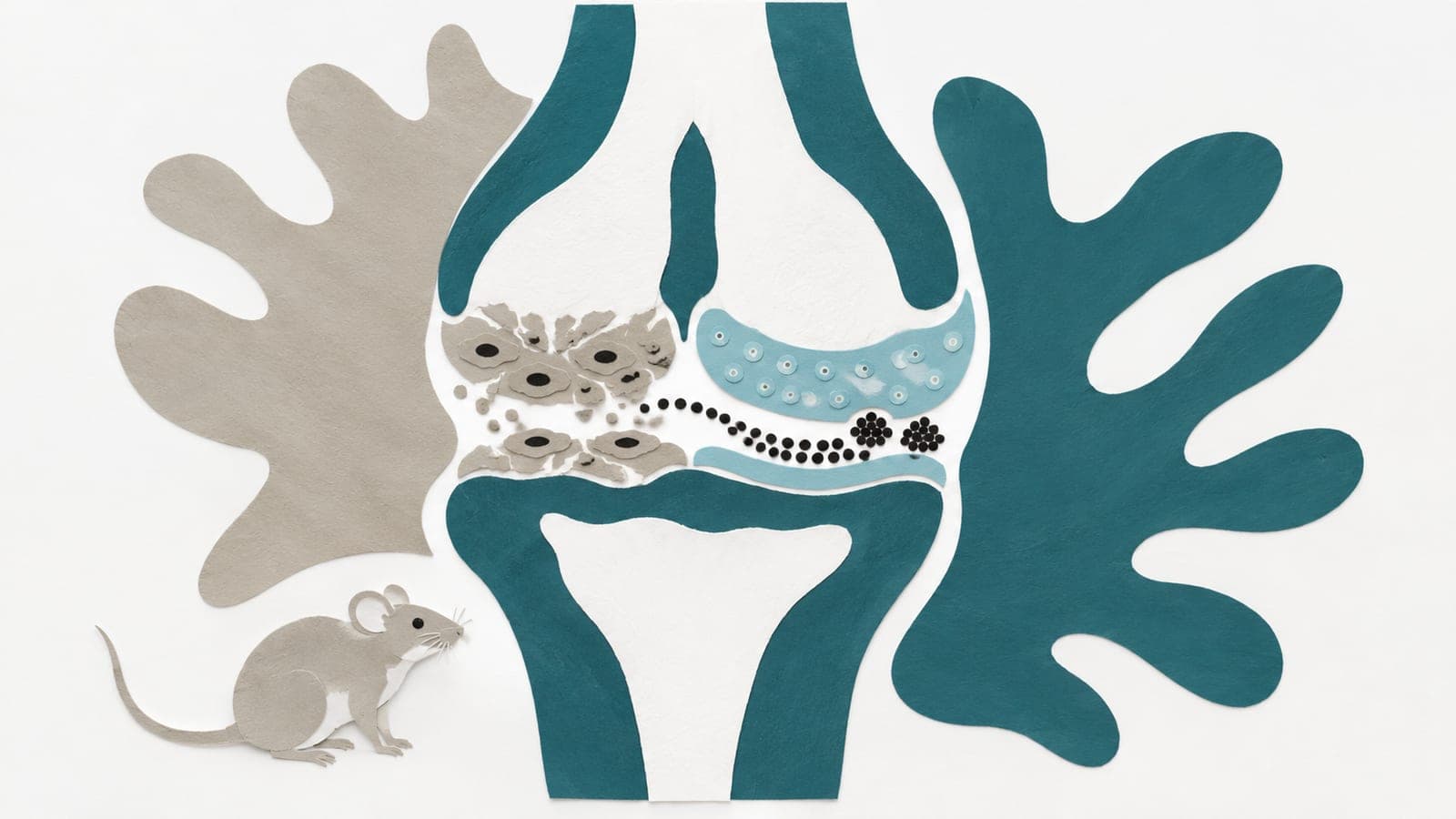
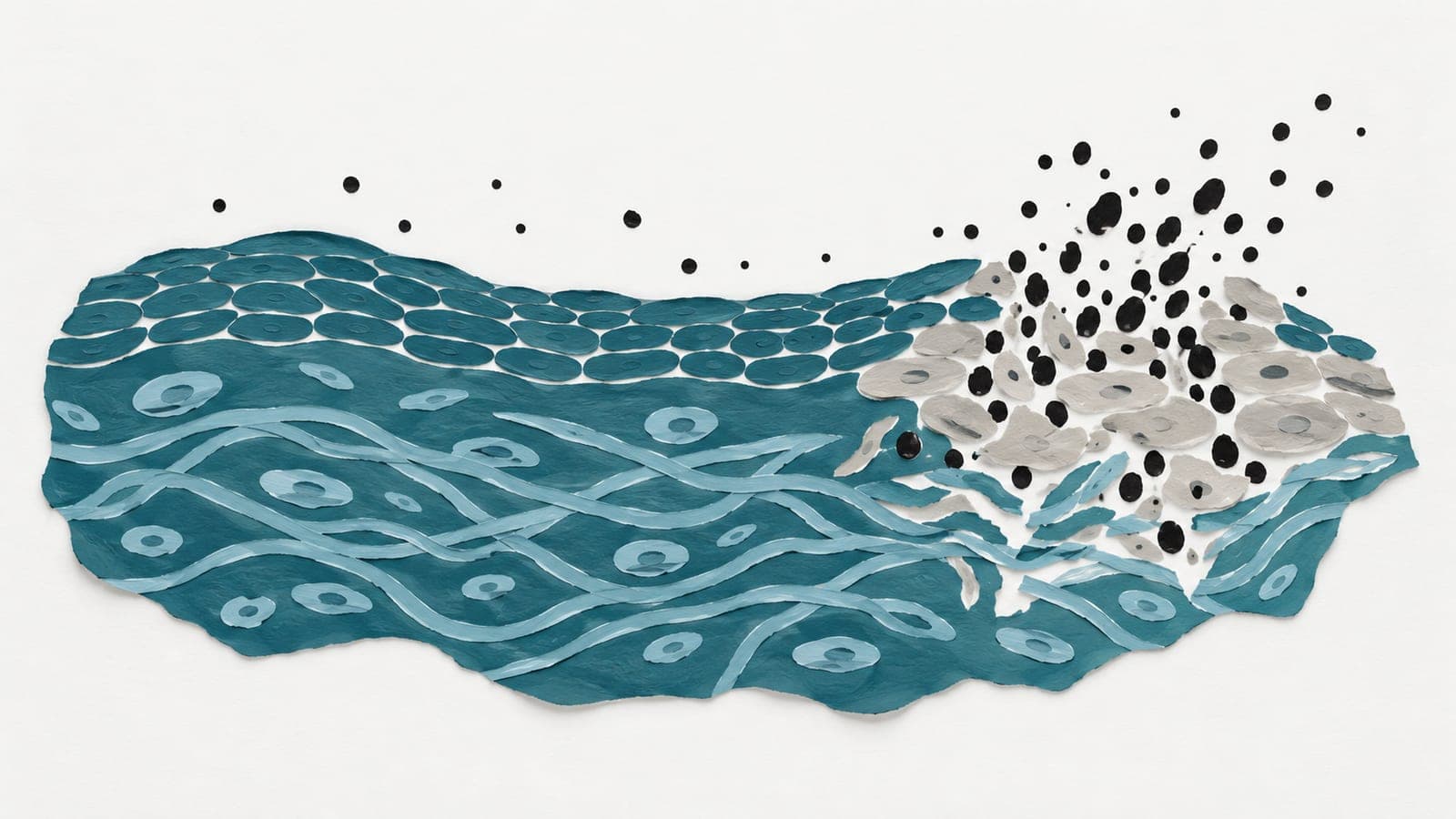
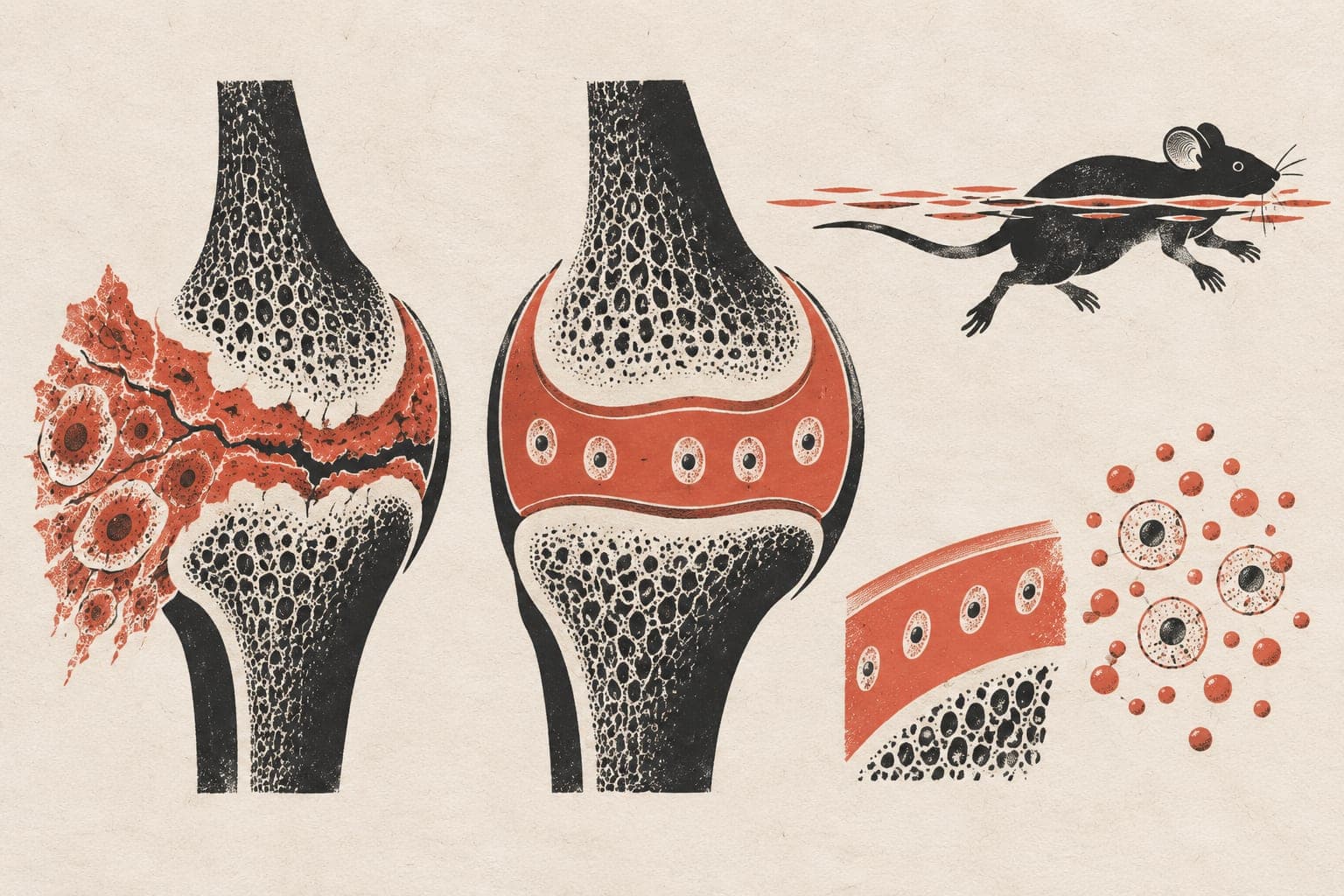
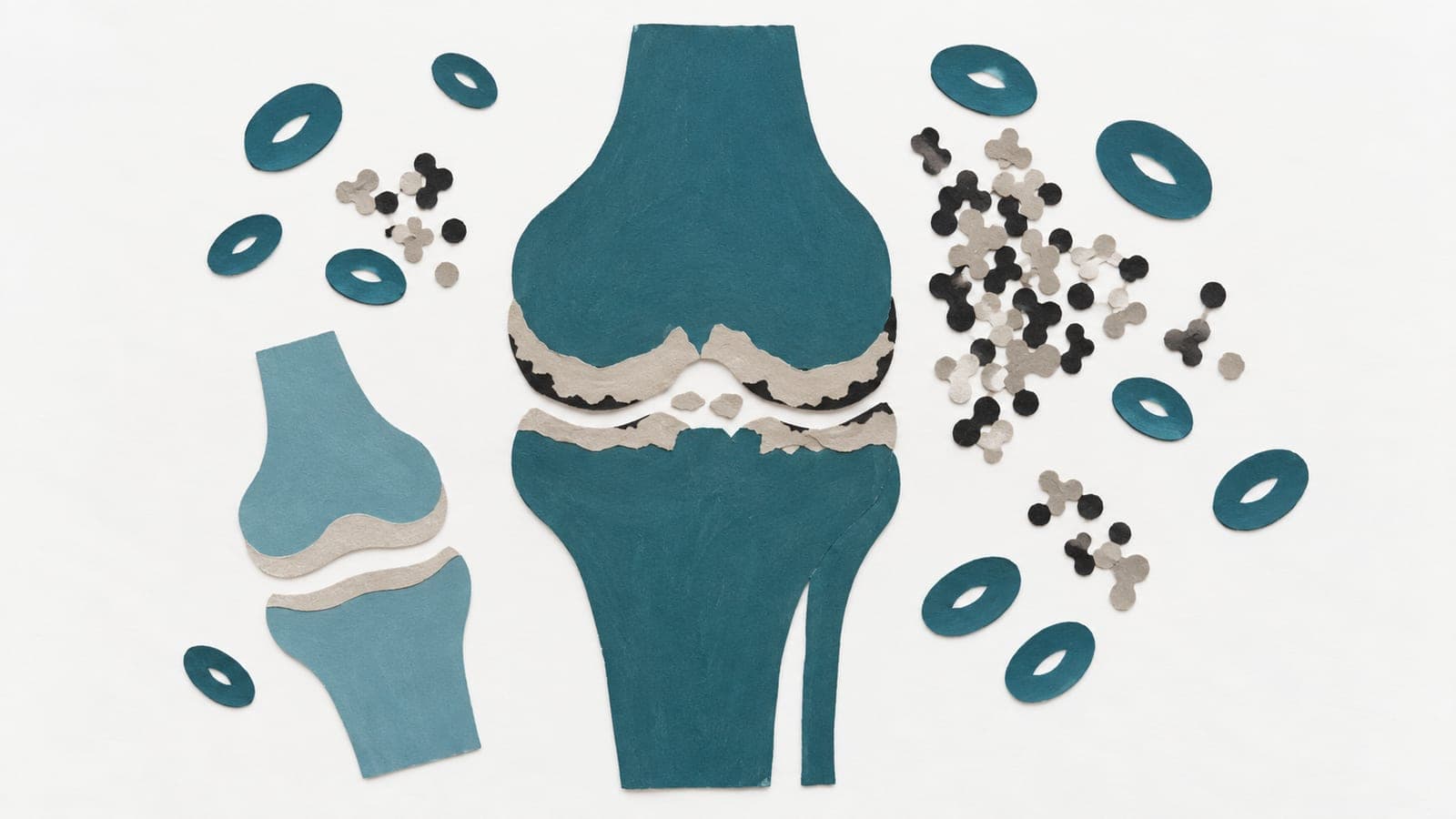
Osteoarthritis (OA), a common degenerative joint disorder, continued to present significant challenges in clinical management due to an incomplete understanding of its pathogenesis. Although the full pathophysiology of OA remained unclear, emerging evidence implicated double-stranded RNA (dsRNA) released from damaged articular chondrocytes in promoting cartilage degeneration via the TLR3-IL-33 signaling axis. Our investigation demonstrated that IL-33 exerted dual pathological effects on chondrocytes: it induced cellular hypertrophy with upregulated osteogenic marker expression and mediated fluid shear stress (FSS)-induced matrix degradation. Notably, age-related chondrocyte was associated with increased IL-33 secretion. In vitro experiments revealed that IL-33 administration significantly promoted chondrocyte hypertrophy and osteogenesis. Consistent with these findings, IL-33-knockout (KO) murine models showed marked resistance to FSS-induced joint damage, with reduced cartilage erosion compared to wild-type counterparts. These mechanistic insights not only advanced the understanding of OA progression but also highlighted IL-33 inhibition as a potential therapeutic strategy. This study provided a solid experimental foundation for the development of novel disease-modifying interventions targeting this pathway.
The paper
Shanghai Jiao Tong University
FASEB BioAdvances, 10 Dec 2025