Low-intensity exercise eases age-related osteoarthritis in mice
In aged mice and cultured chondrocytes, swimming and a targeted PGC-1α-activating nanoparticle suppressed senescence and altered glycolysis to protect joints.
Journal of Orthopaedic Translation
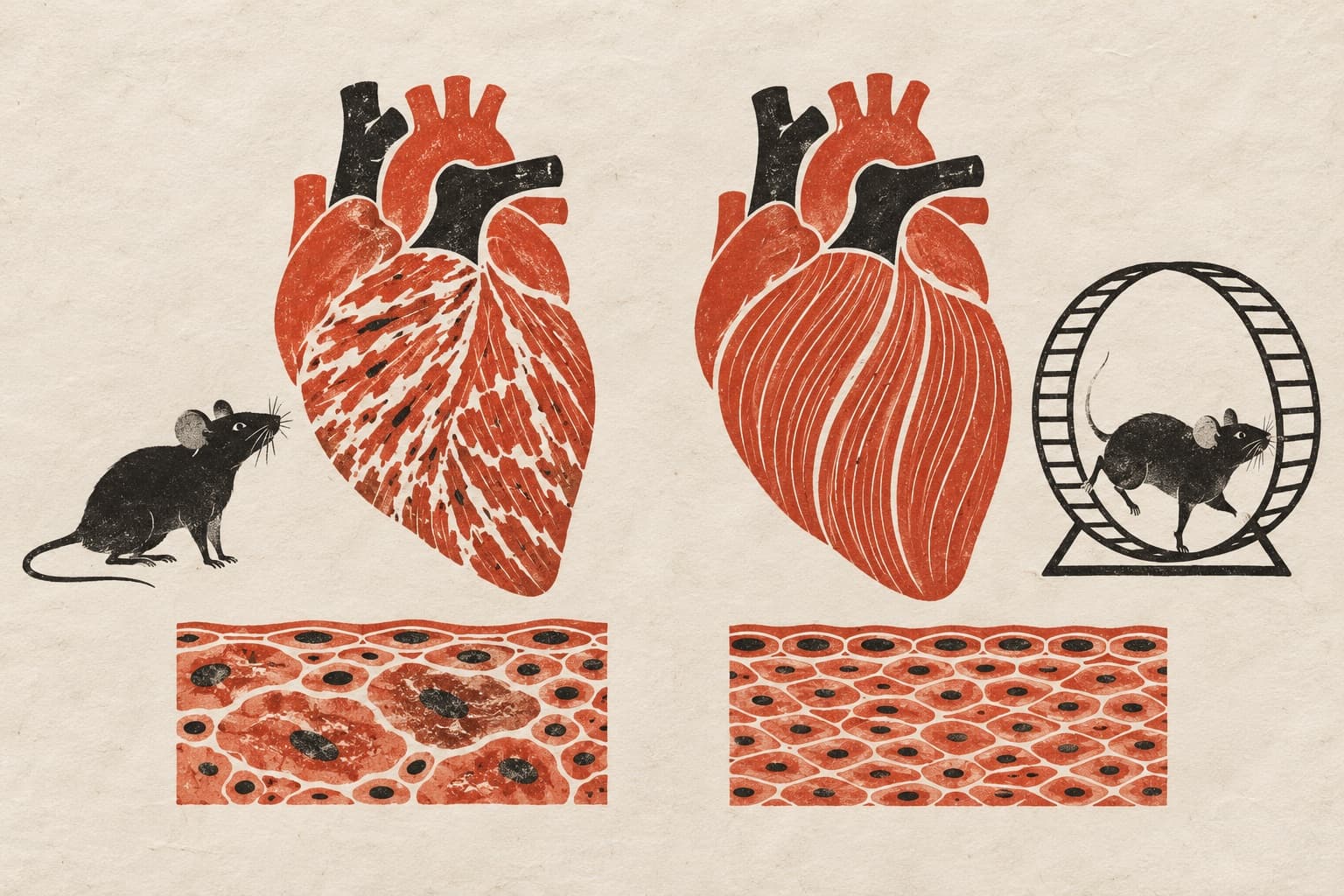
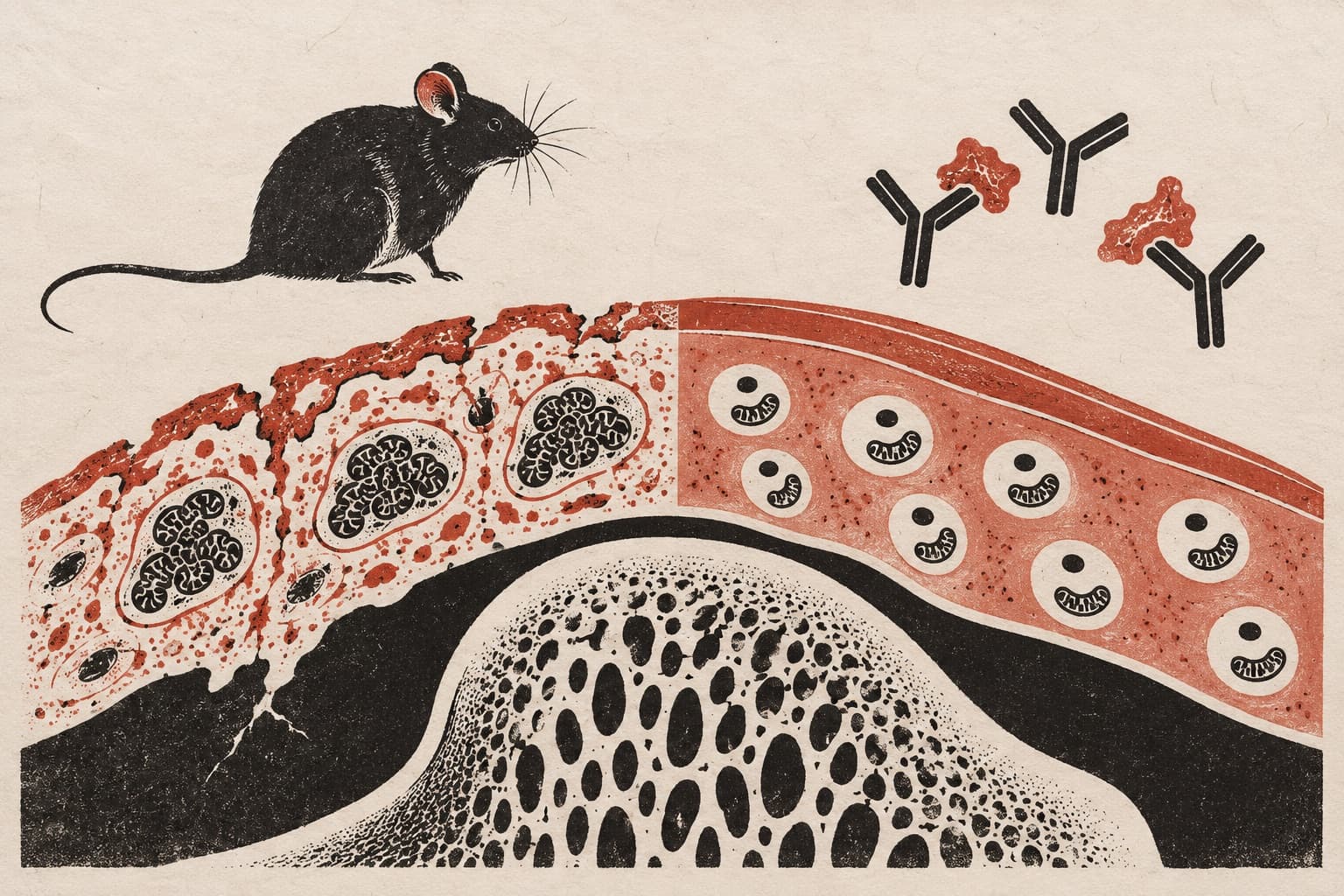
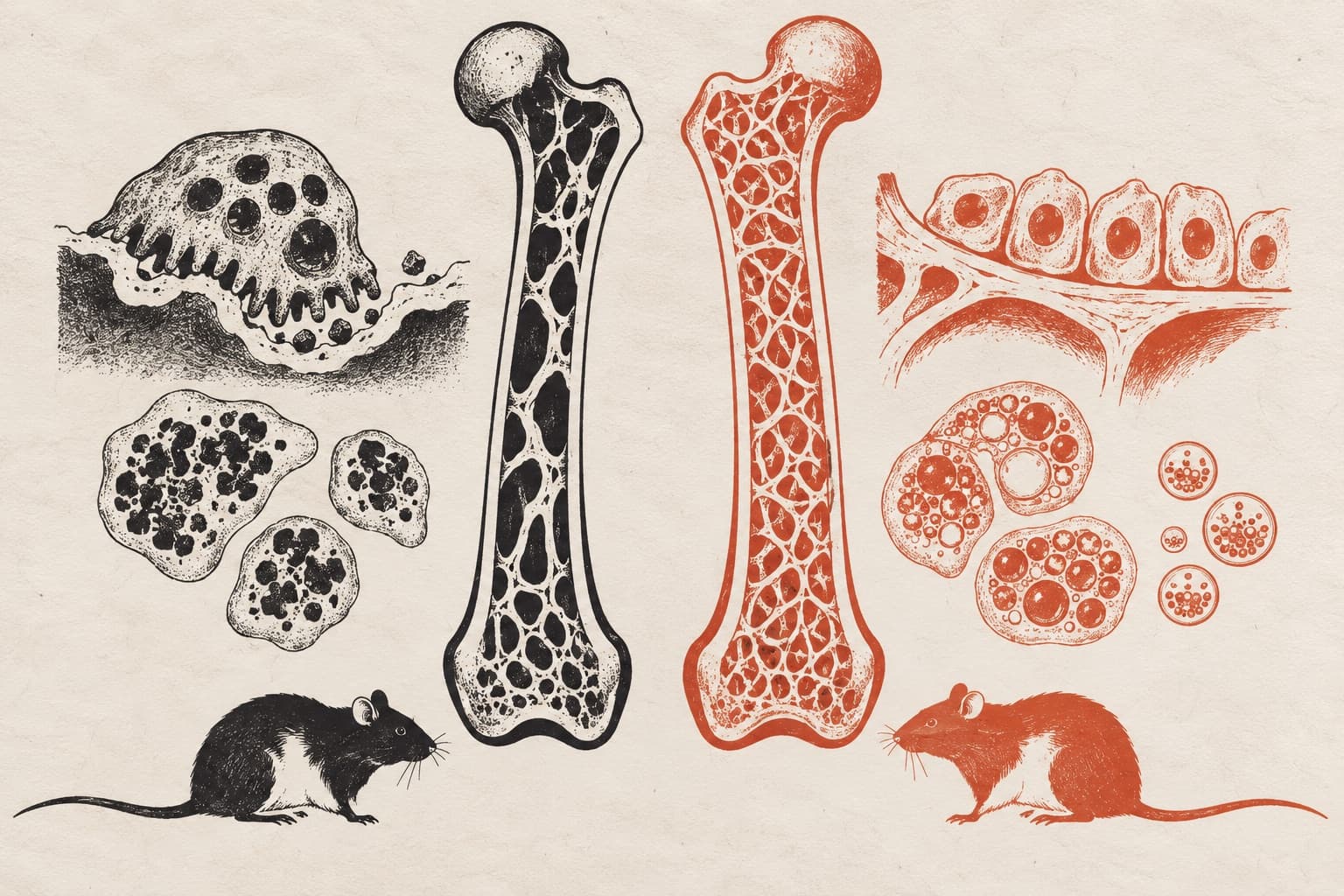
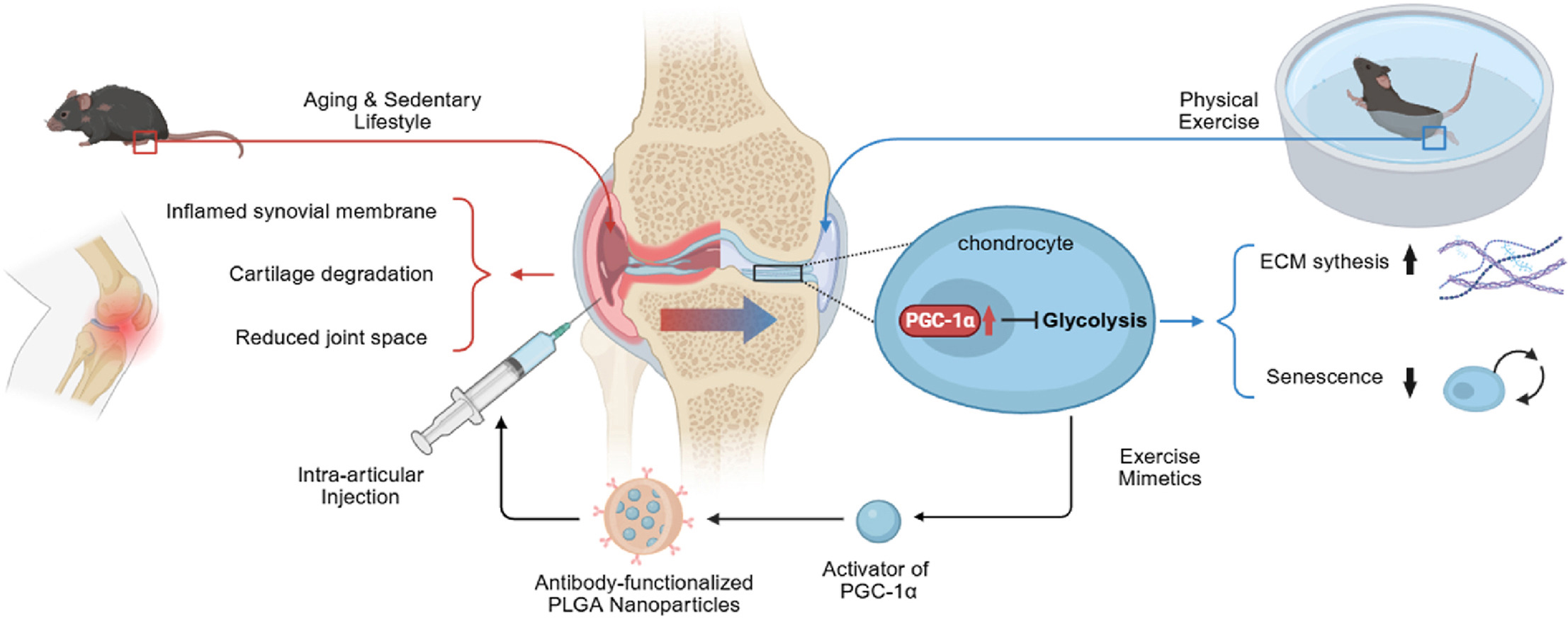
In aged mice, low-intensity swimming exercise attenuated age-related osteoarthritis. Researchers found that swimming suppressed chondrocyte senescence and aberrant glycolysis by activating the metabolic regulator PGC-1α. To investigate the underlying mechanisms, the authors tested IL-1β-induced senescent ATDC5 chondrocytes. In these cells, activating PGC-1α with the small molecule ZLN005 reproduced the suppressive effects of exercise on cellular senescence and pathological glycolysis. To replicate these benefits therapeutically, the team engineered a senescence-targeted nanoparticle system, NP-B2M, for intra-articular delivery. When evaluated in aged mice using micro-CT and histological staining, NP-B2M achieved targeted joint release and showed greater efficacy than free ZLN005.
Why it matters
Targeting metabolic reprogramming in senescent chondrocytes may offer a route to treat age-related joint degeneration in individuals unable to engage in physical exercise.
Caveats
The findings rely on animal models and an immortalized chondrogenic cell line, which may not fully mirror the joint biology or mechanical stresses of human osteoarthritis.
The paper
Tongji University
Journal of Orthopaedic Translation · 22 Sep 2026