Effects of Piperine on Obese and Lean Nonalcoholic Fatty Liver Disease in Mice
12 weeks
Abstract
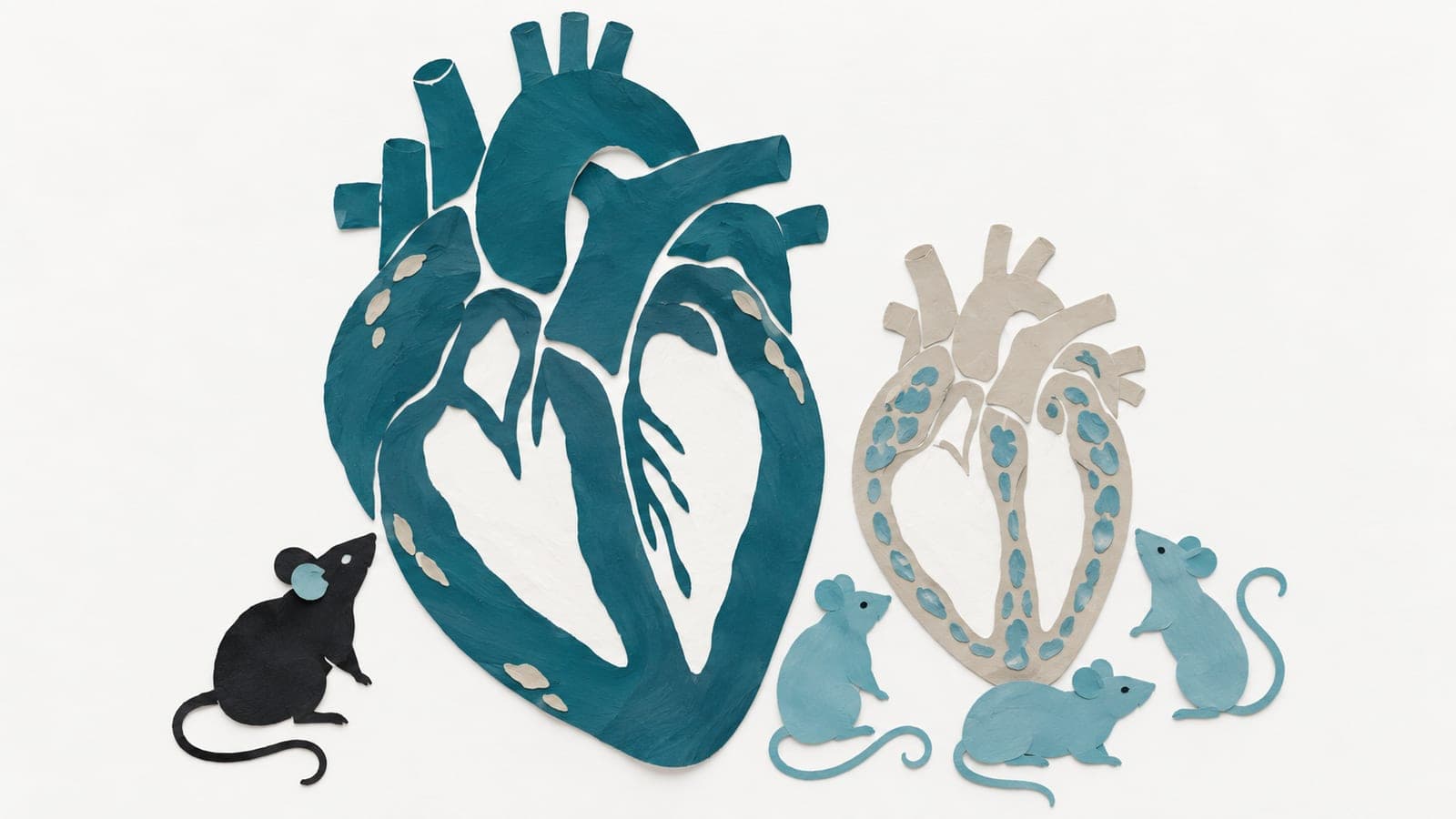
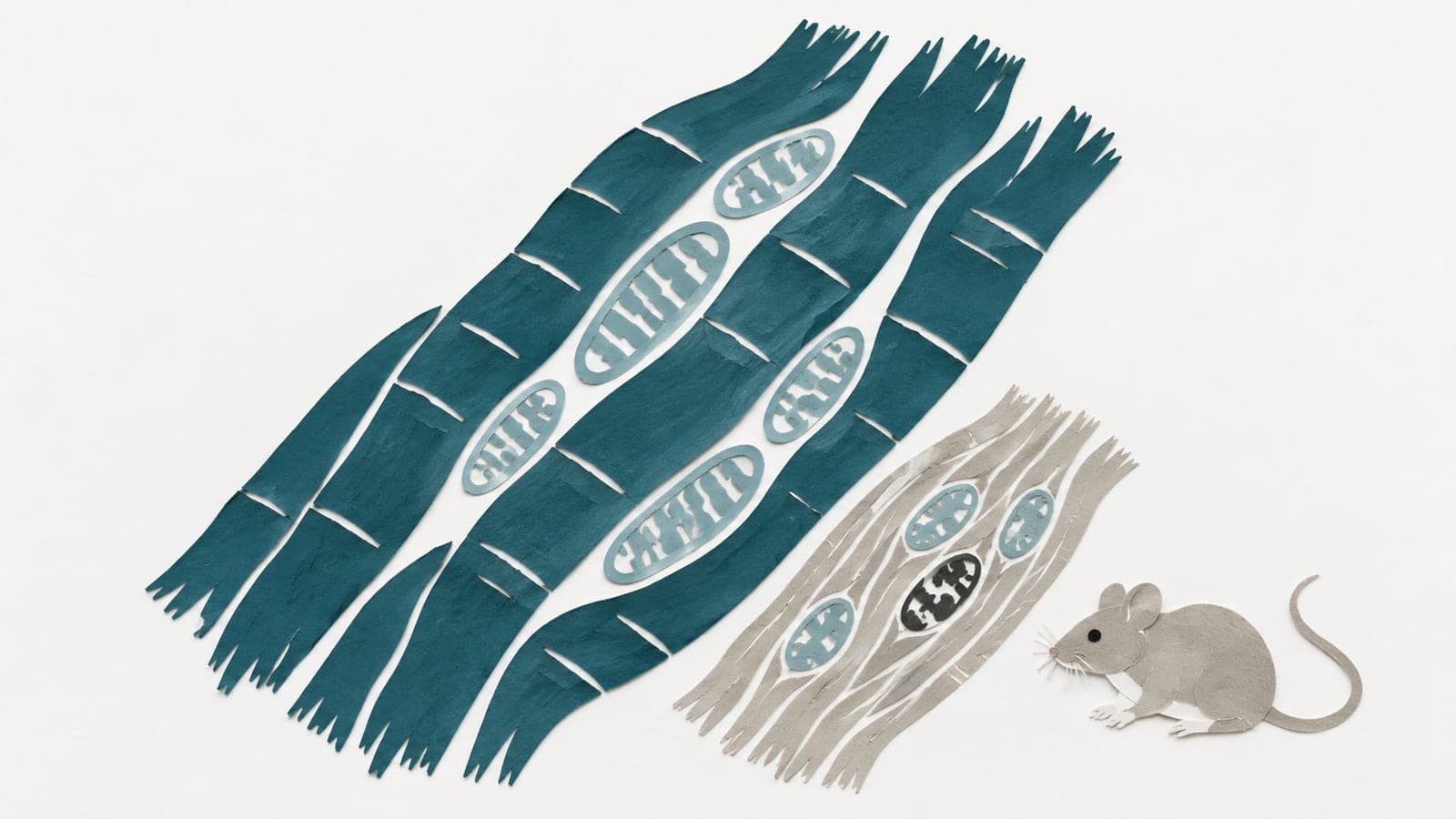
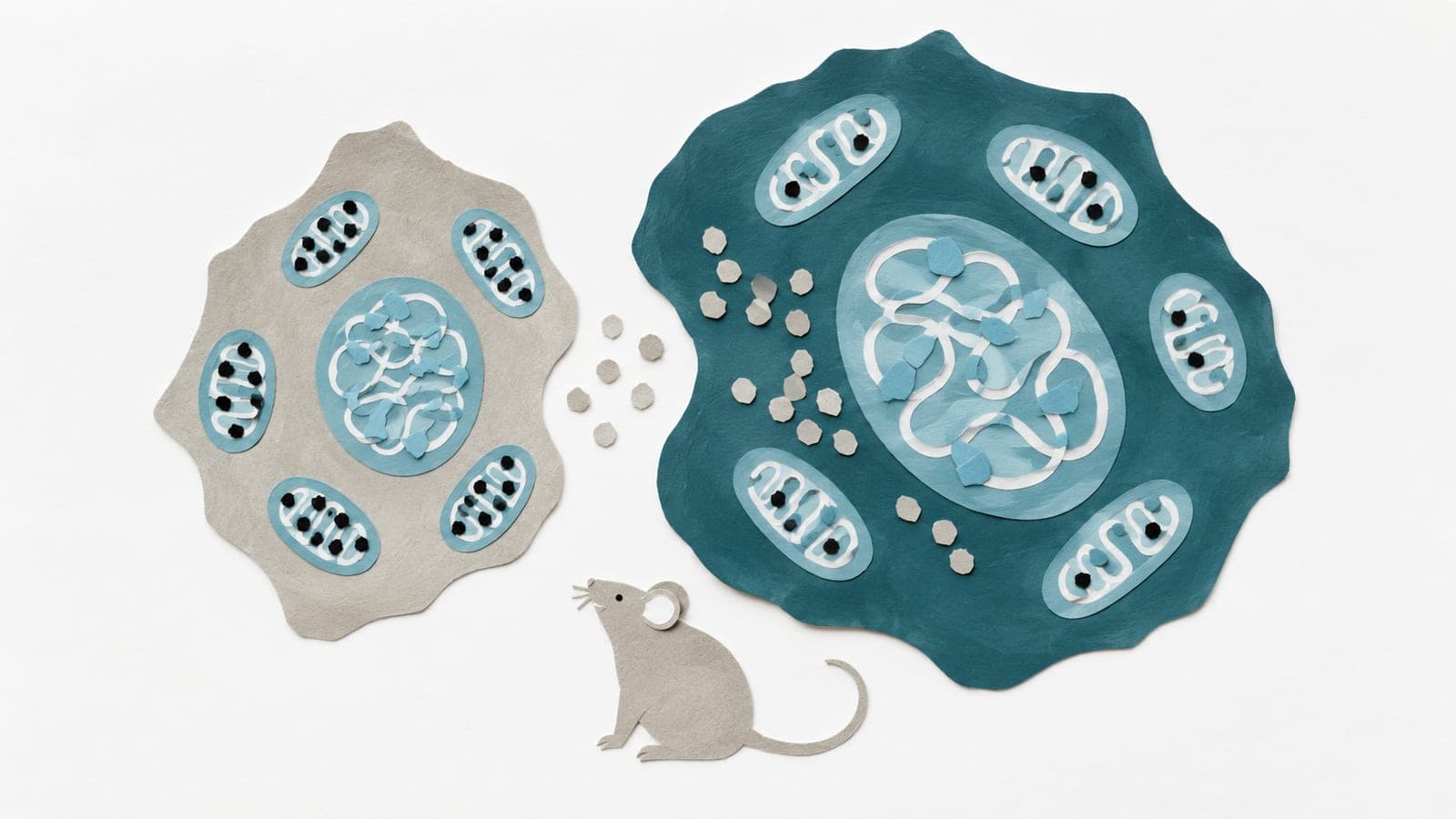
Nonalcoholic fatty liver disease (NAFLD) is commonly associated with overweight and obesity. But an increasing number of cases involve lean individuals, who tend to experience worse liver outcomes. In this study, we established mouse models of both obese and lean NAFLD by feeding mice a Western diet (WD) ad libitum and a WD with 30% caloric restriction (CR), respectively, to investigate the effects of piperine. After 12 weeks, hepatocyte lipid deposition and liver injury were similar in lean and obese NAFLD mice. Piperine treatment significantly reduced serum ALT levels and hepatic triglyceride (TG) content, alleviating hepatic steatosis in both groups. The mechanism of action involved the downregulation of fatty acid uptake, as evidenced by reduced expression of PPARγ and CD36, as well as the promotion of lipolysis through upregulation of hormone-sensitive lipase (HSL) and adipose triglyceride lipase (ATGL). Additionally, piperine enhanced hepatic mitochondrial β-oxidation in the obese NAFLD model by upregulating carnitine palmitoyltransferase 1A (CPT1A). In conclusion, feeding a WD with 30% CR successfully induced lean NAFLD in mice, and piperine effectively alleviated NAFLD in both lean and obese mice.
- Piperine
- Fatty acid β-oxidation
- Lipid and ceramide metabolism
- Nonalcoholic fatty liver disease
- Hepatic steatosis
- Mice
The paper
Soochow University
Journal of Gastroenterology and Hepatology, 9 Dec 2025