Lactate dehydrogenase inhibitors: A promising candidate against aging and fibrosis
Abstract
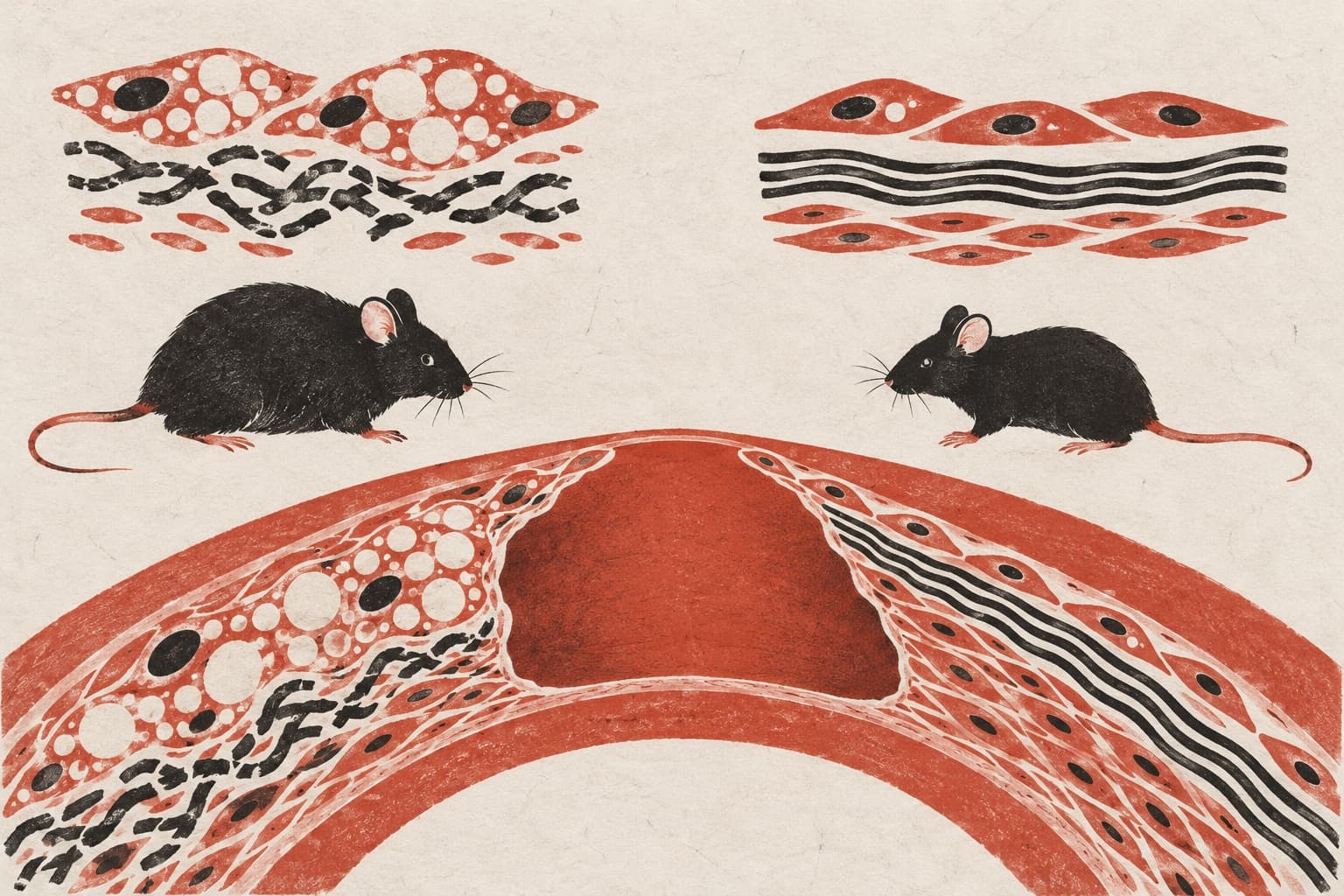
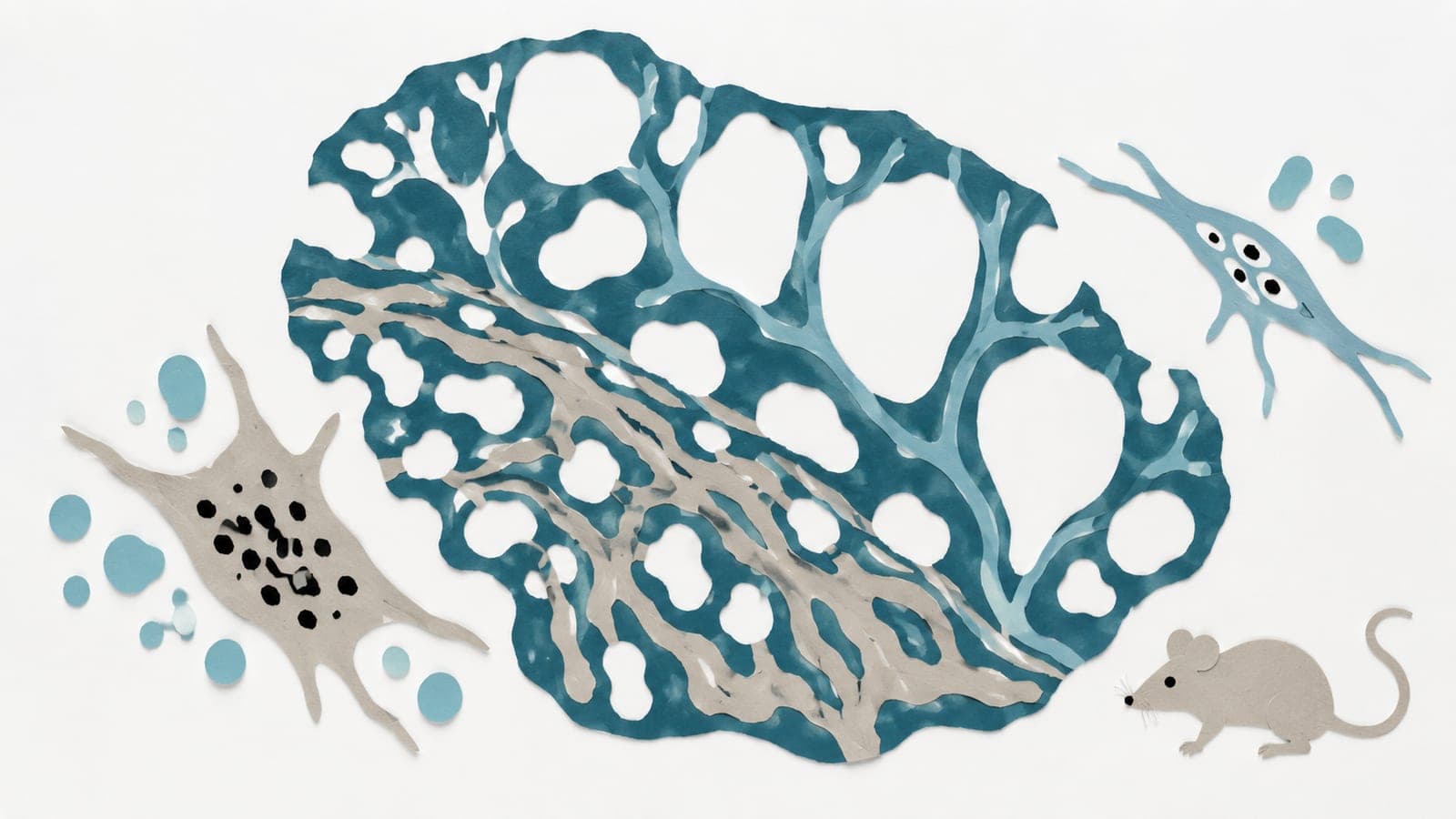
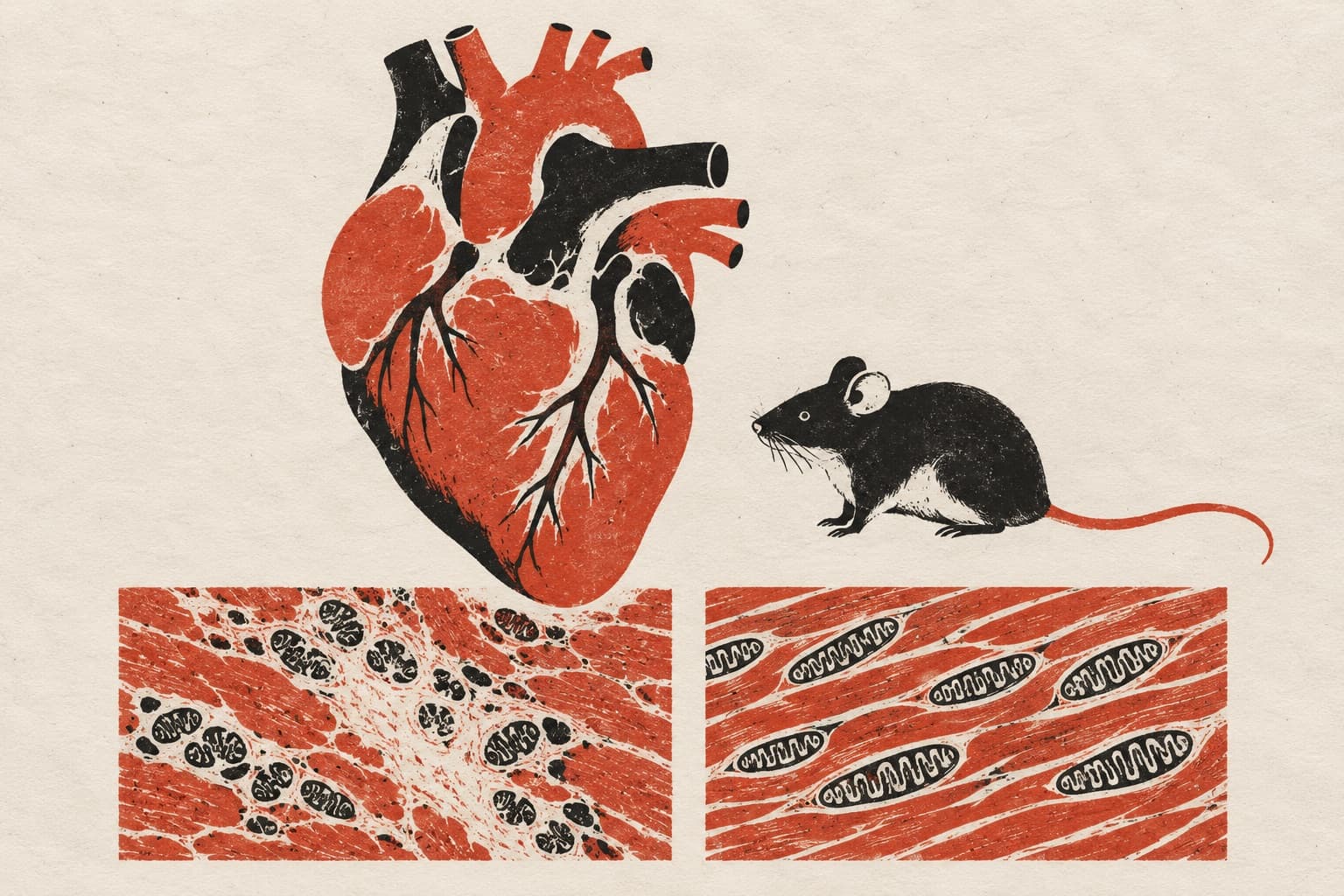
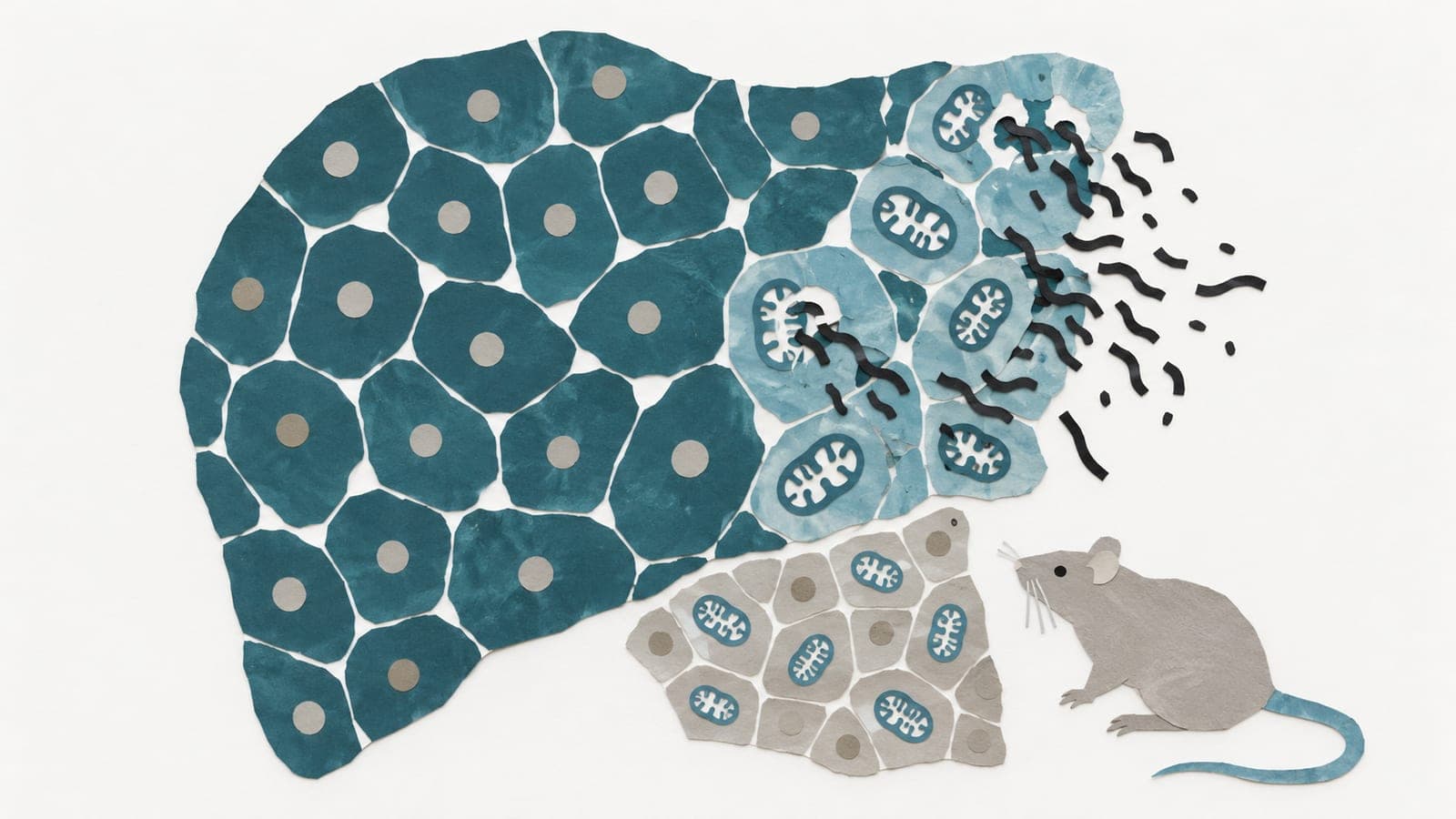
Lactate plays a pivotal role in mediating diverse metabolic processes, and lactate dehydrogenase (LDH), a key glycolytic enzyme, catalyzes the reversible conversion between pyruvate and lactate, which is essential for nicotinamide adenine dinucleotide regeneration and cellular redox homeostasis. The distinct subunit compositions of LDH isoforms provide a structural basis for developing targeted LDH inhibitors (LDHi) to modulate LDH activity. In this review, we first elaborate on the molecular structure of LDH and its isoforms, as well as LDH's role in regulating metabolic reprogramming during aging and fibrosis, including its involvement in glycolysis, redox balance maintenance, and the modulation of senescence-associated secretory phenotype and extracellular matrix deposition. We then systematically evaluate the structural characteristics and inhibitory efficacy of existing natural and synthetic LDHi from a chemo-biological perspective, summarizing their mechanisms of action including competitive or non-competitive inhibition at active or allosteric sites. Furthermore, we discuss the current applications and limitations of LDHi in aging-related and fibrotic diseases, emphasizing the lack of tissue specificity and potential systemic toxicity. To address these challenges, we propose actionable strategies, including designing prodrugs activated by fibrosis-specific enzymes or acidic microenvironments, and developing ligand-functionalized nanoparticle delivery systems. This review aims to provide a comprehensive framework for understanding LDH-mediated mechanisms in aging and fibrosis, and to offer valuable insights for the rational design and optimization of LDHi with enhanced efficacy and safety for clinical translation. The strategic development of novel LDHi and advanced delivery systems holds substantial promise for mitigating aging-related degenerative changes and fibrotic progression.
The paper
Sichuan University
European Journal of Medicinal Chemistry, 20 Nov 2025