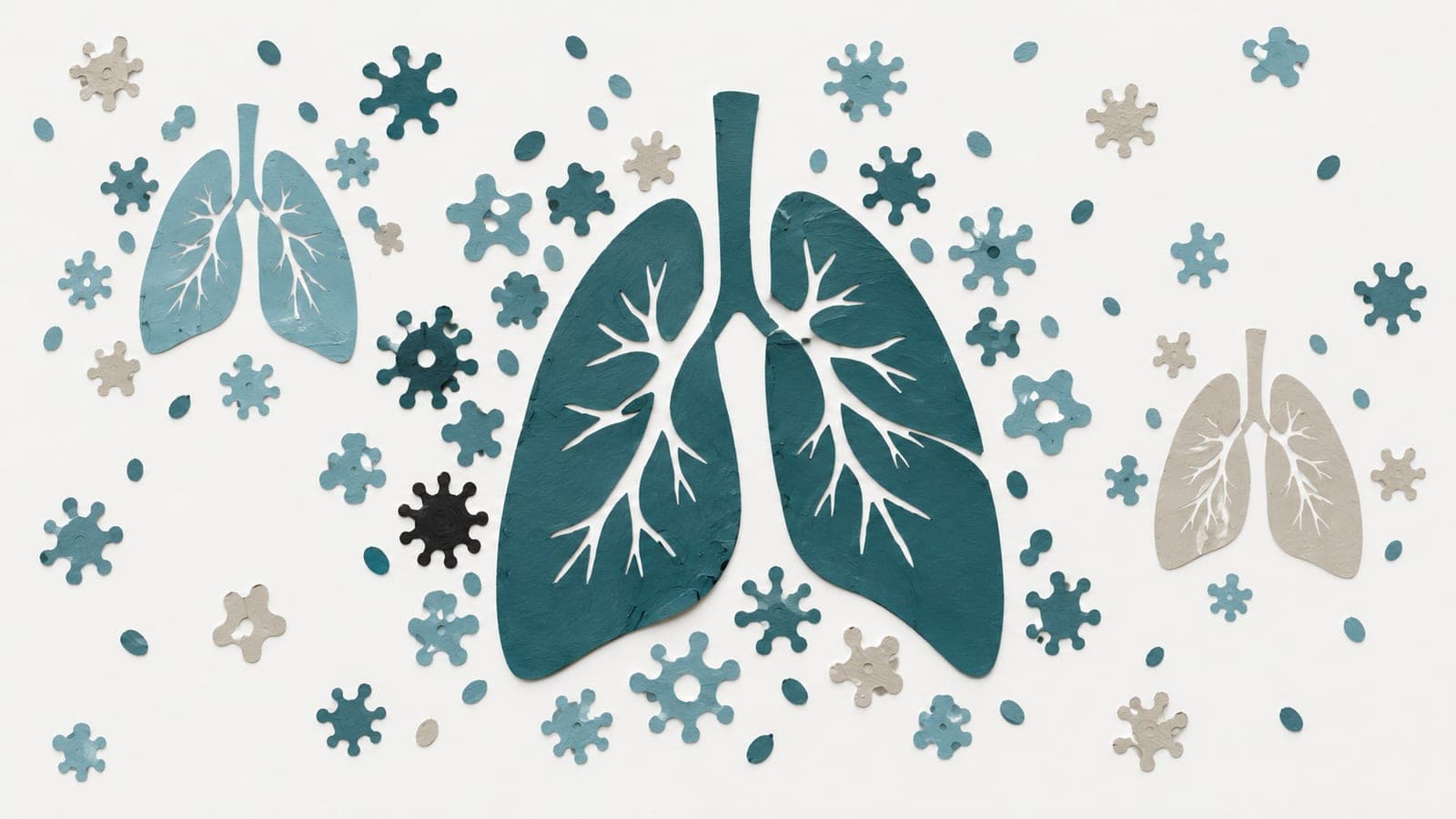
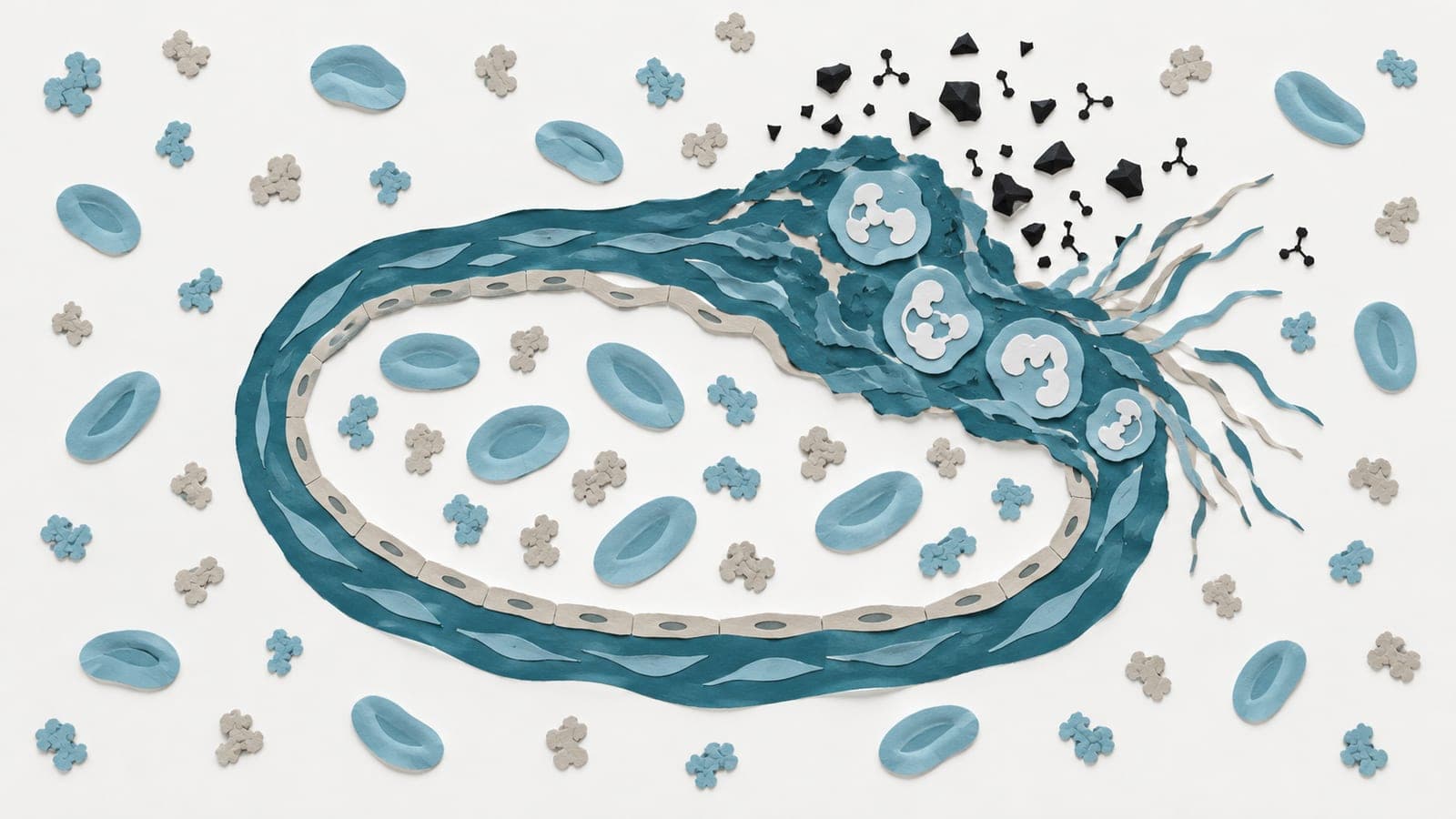
Long-term exposure to ultrafine particles accelerates biological aging and increases respiratory vulnerability in COPD
Abstract
Long-term exposure to particulate matter is a known risk factor for chronic obstructive pulmonary disease (COPD), yet the impact of ultrafine particles (UFPs) remains poorly understood. As COPD is an age-related disease, the potential modifying role of biological age acceleration in UFP-induced respiratory effects warrants investigation. We conducted a longitudinal panel study of 47 COPD patients with three repeated clinic visits in Beijing, China. Annual exposure levels to UFPs were estimated using a land use regression model. Lung function and respiratory inflammation were assessed at each visit. Biological age was quantified using the Klemera-Doubal method (KDM-BA) and PhenoAge algorithms. Associations were estimated using linear mixed-effects models. Overall, each IQR increase in UFPs exposure was associated with a 3.0-year increase in both KDM-BA (95 % CI: 0.2-5.8) and PhenoAge acceleration (95 % CI: 0.1-5.8). Accelerated biological age was associated with reductions in large and small airway function and lung volume. Stratified analysis indicated that individuals with faster biological aging were more susceptible to UFP-related lung injury. Our study provides novel evidence linking long-term UFP exposure to accelerated biological aging and impaired respiratory function in COPD patients. Biological age may serve as a modifier in assessing air pollution-related health risks.
- Ultrafine particles
- Inflammation
- Chronic obstructive pulmonary disease
- Lung injury
- KDM biological age
- Humans
The paper
Peking University; Tibet University
Journal of Hazardous Materials, 10 Nov 2025