Responses to nutrient starvation in the fission yeast Schizosaccharomyces pombe
Abstract
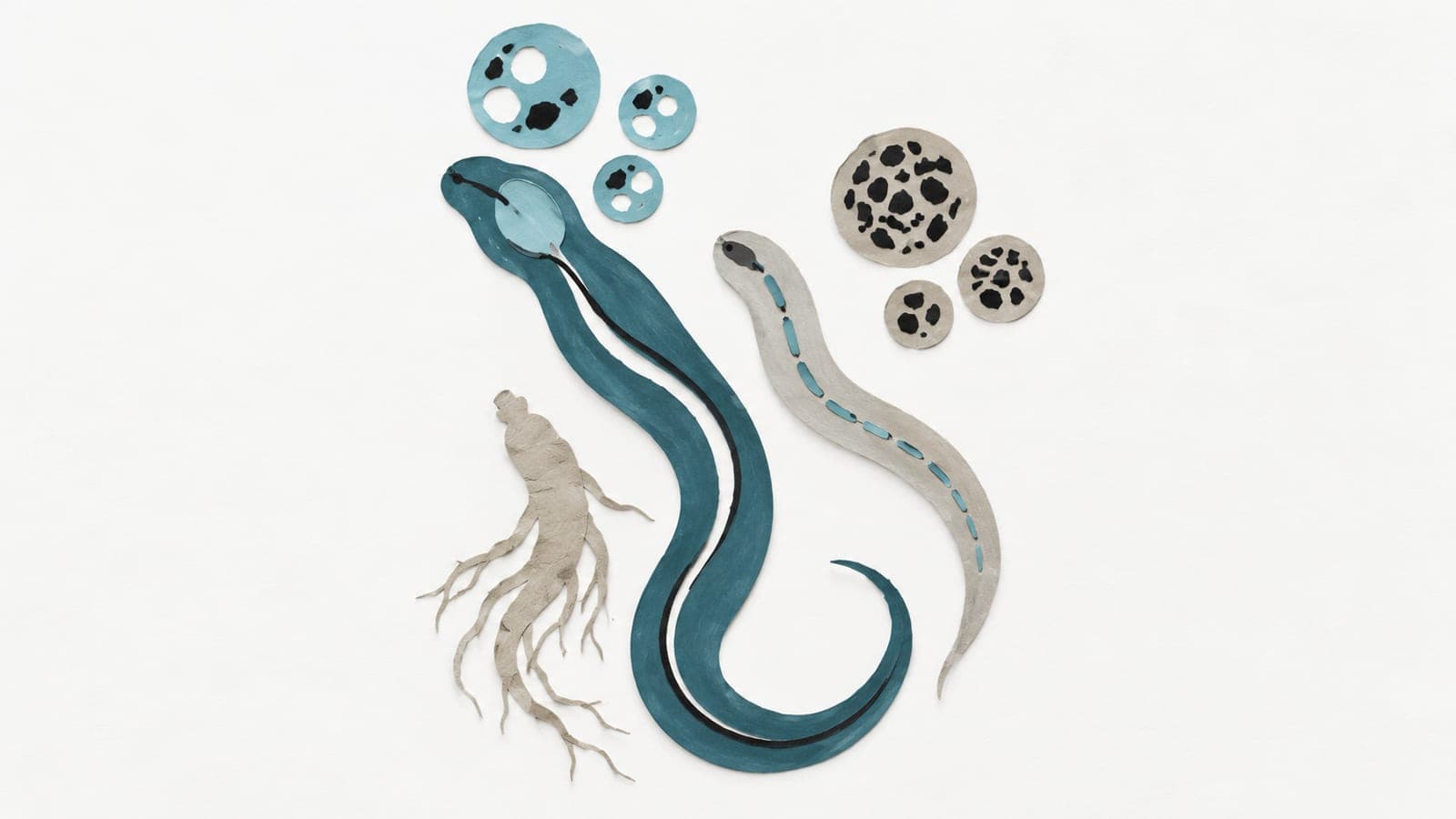
In nature, nutrient-poor environments are more common than exposure to nutrient-rich environments, and living organisms have developed countermeasures to survive nutrient starvation. Increasing research has revealed beneficial aspects of starvation for an individual's life, including lifespan extension. The fission yeast Schizosaccharomyces pombe is a model unicellular eukaryotic organism and has greatly contributed to the understanding of various cellular processes, including the cell cycle, cell morphology, sexual development, cell lifespan, and nutritional responses. Traditionally, research on starvation in fission yeast has focused on glucose starvation and nitrogen starvation. Recently, studies on cellular responses to the starvation of various nutrients, such as phosphorus, sulfur, iron, zinc, copper, and amino acids have been reported, revealing similarities and differences among the various types of nutrient starvation. In fission yeast, Ecl proteins, which are conserved among fungi, can sense the starvation of multiple nutrients. These proteins also repress the target of rapamycin complex 1 (TORC1), which is conserved across eukaryotes. They channel a variety of starvation signals into common cellular responses, such as growth arrest, sexual differentiation, autophagy, and lifespan extension. This review summarizes and discusses the signaling mechanisms involved in the initial cellular responses of fission yeast to the starvation of various nutrients.
The paper
Nagoya University
Microbiological Research, 7 Nov 2025, Open access