Exosome-targeted injectable hydrogels for sustained DEPTOR delivery and delay of IDD via the mTORC1/SASP pathway
Abstract
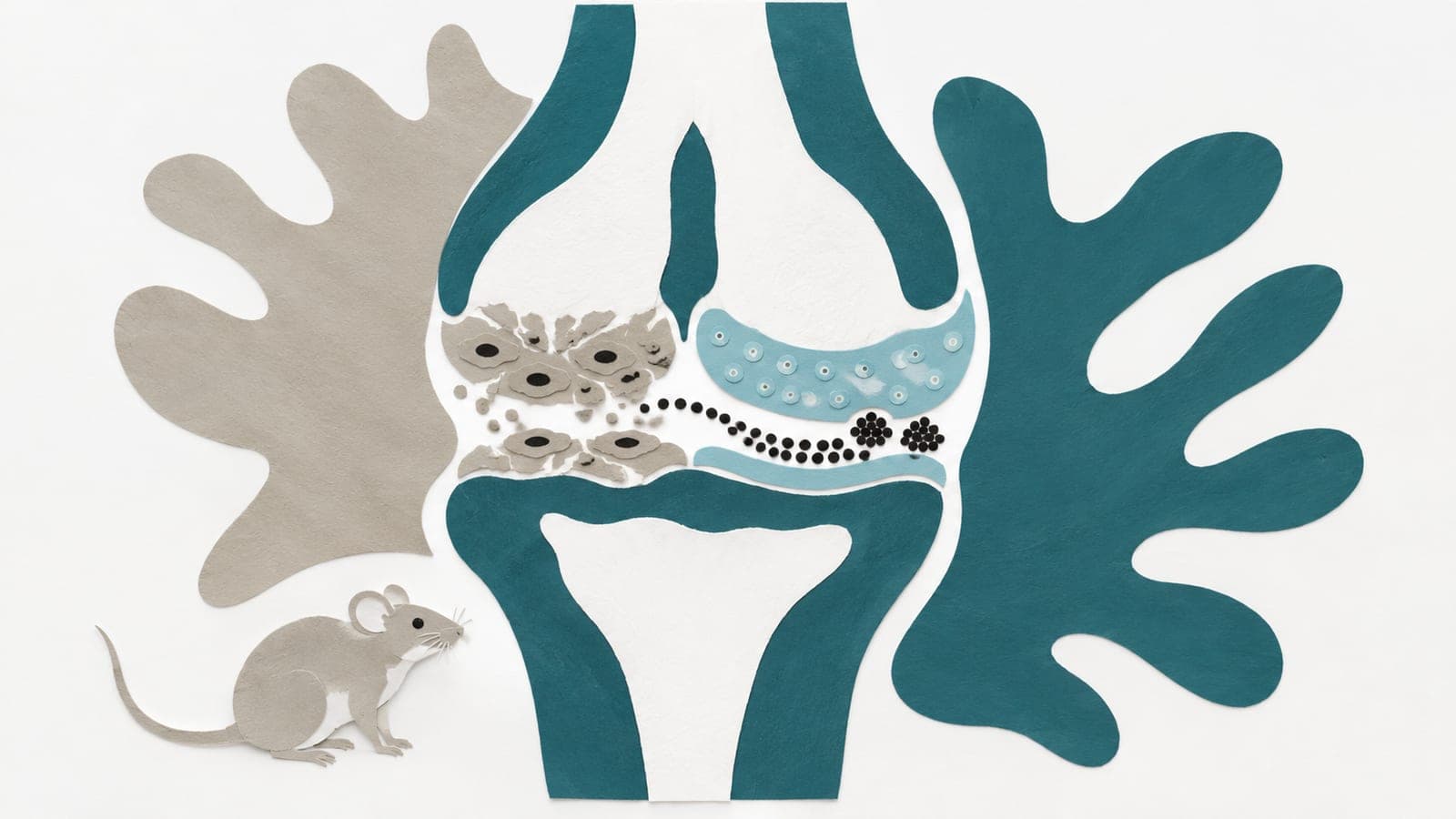
In degenerated intervertebral discs, senescent nucleus pulposus cells increase and the senescence-associated secretory phenotype (SASP) is activated, causing abnormal proinflammatory factor and chemokine secretion, extracellular matrix degradation, and inflammation activation, accelerating intervertebral disc degeneration (IDD). DEP domain-containing mTOR-interacting protein (DEPTOR) inhibits SASP secretion through the mammalian target of rapamycin complex 1 (mTORC1) pathway and alleviates IDD. This study constructed an oxidized sodium alginate/carboxymethyl chitosan (OSA/CMCS) hydrogel with exosomes (EXOs) to treat IDD by sustained DEPTOR release via EXOs, addressing the limitations of traditional EXO carriers, including cytotoxicity, limited biocompatibility, and poor degradability. Moreover, the urine stem cell-derived EXO acquisition method is simple and noninvasive and has a high proliferation rate. In the prepared OSA/CMCS@EXO hydrogel, OSA forms a dynamic network with carboxymethyl chitosan through Schiff base bonds, encapsulating EXOs to promote DEPTOR release. This injectable hydrogel enables efficient and stable EXO delivery, resulting in sustained DEPTOR release. Finally, in a puncture-induced IDD rat model, OSA/CMCS@EXO hydrogel significantly alleviated intervertebral disc inflammation and slowed IDD progression, indicating that the DEPTOR/mTORC1/SASP pathway is an important target for IDD treatment. This novel hydrogel is a therapeutic target for IDD and has substantial potential for application in EXO-based therapies for various diseases.
- Exosomes
- Oxidized sodium alginate/carboxymethyl chitosan hydrogel with exosomes
- DEPTOR
- Cellular senescence
- Intervertebral disc degeneration
- Rats
The paper
Qingdao University; Affiliated Hospital of Qingdao University
International Journal of Biological Macromolecules, 7 Nov 2025