Transmembrane BAX inhibitor motif containing 1 inhibition of lysosomal degradation of TGF-β receptor 1 suppresses cellular senescence and hepatocarcinogenesis
Abstract
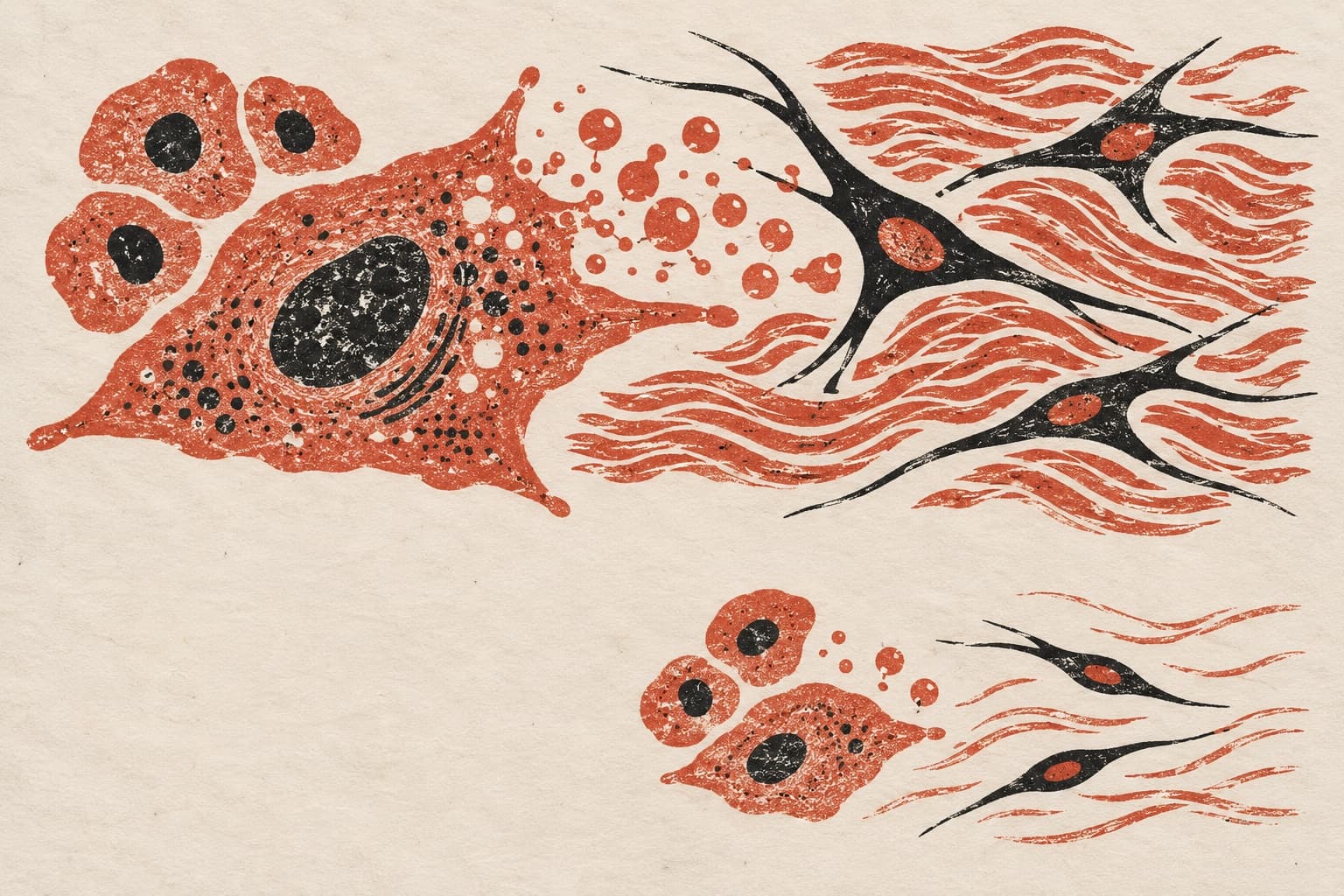
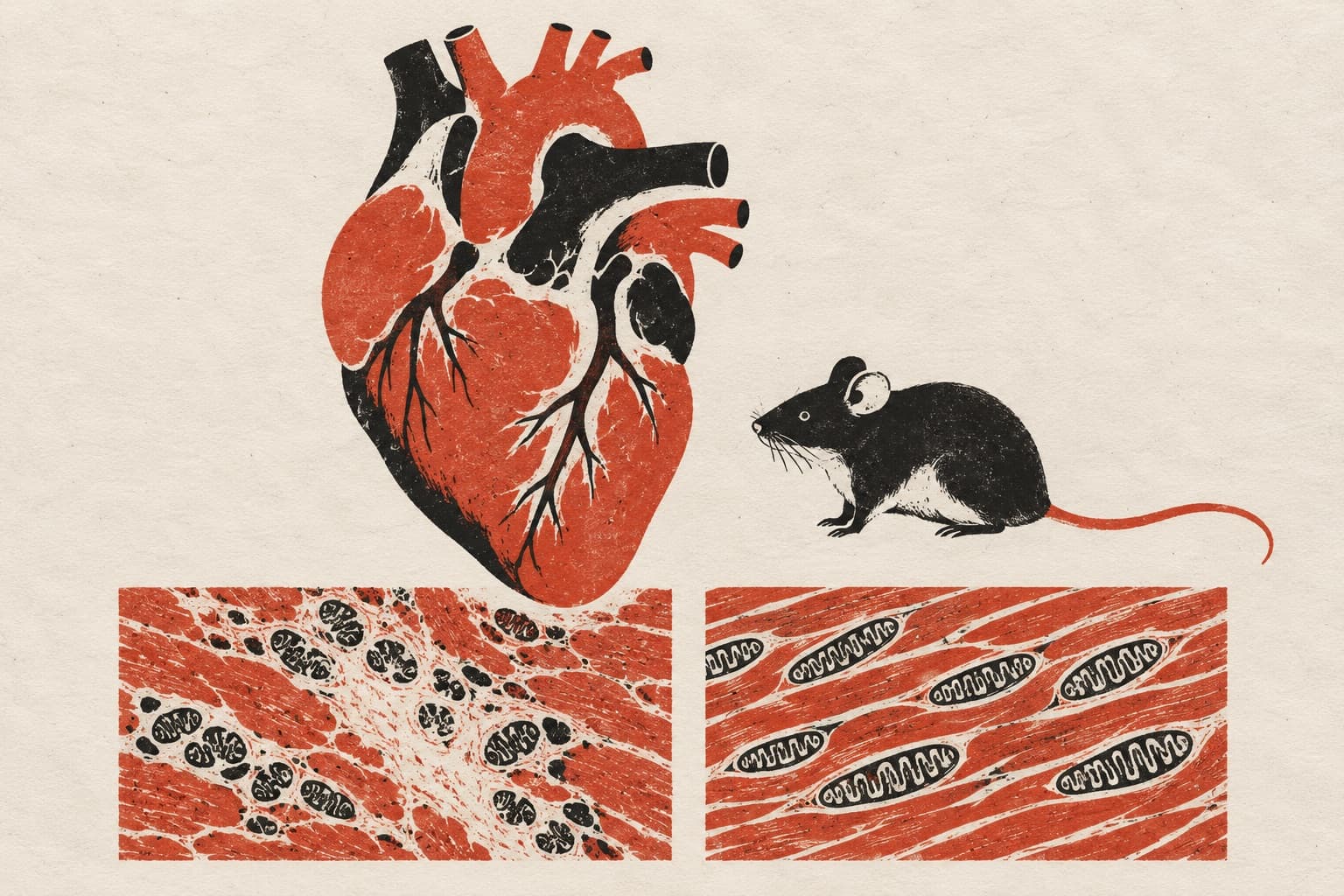
Growing evidence indicates that the cellular senescence (CS) plays a crucial role in hepatocarcinogenesis. Transmembrane BCL-2-associated X protein inhibitor motif containing 1 (TMBIM1) has been shown to inhibit CS. However, the role and mechanism of TMBIM1 associated CS in hepatocarcinogenesis remains unclear. In our study, TMBIM1 was highly expressed in the adjacent tissues of patients with liver cancer and its expression of TMBIM1 gradually decreased during hepatocarcinogenesis in a rat primary liver cancer model. In a Tmbim1-overexpressed rat model, the occurrence of hepatocellular carcinoma (HCC) was highly inhibited and overall survival was prolonged. In addition, the aggregation of senescent cells promotes the activation of hepatic progenitor cells to promote the occurrence of HCC. However, the expression of TMBIM1 is negatively correlated with CS. Furthermore, Tmbim1 downregulated the expression of Cdkn2a, Cdkn1a and SASP mRNA to inhibit CS. Interestingly, overexpression of Tmbim1 and knockdown of Tmbim1 had completely reverse effects on lipopolysaccharide-induced CS. Moreover, under the regulation of TMBIM1, the phosphorylation of Smad2/3 was inhibited, the TGF-β signaling pathway was blocked by the lysosomal degradation of TGF-β type I receptors (TGFBR1) and CS was inhibited. Finally, we demonstrated that the interaction between TMBIM1 and Rab9a contributes to lysosomal degradation of TGFBR1. Together, these data indicate that TMBIM1 interacts with Rab9a to promote degradation of TGFBR1 in lysosomes. In turn, the CS signaling pathway was blocked and the occurrence of HCC was inhibited.
The paper
Second Military Medical University
The Journal of Biological Chemistry, 4 Nov 2025