Vascular cognitive impairment and dementia in old age: cognition and beyond
Abstract
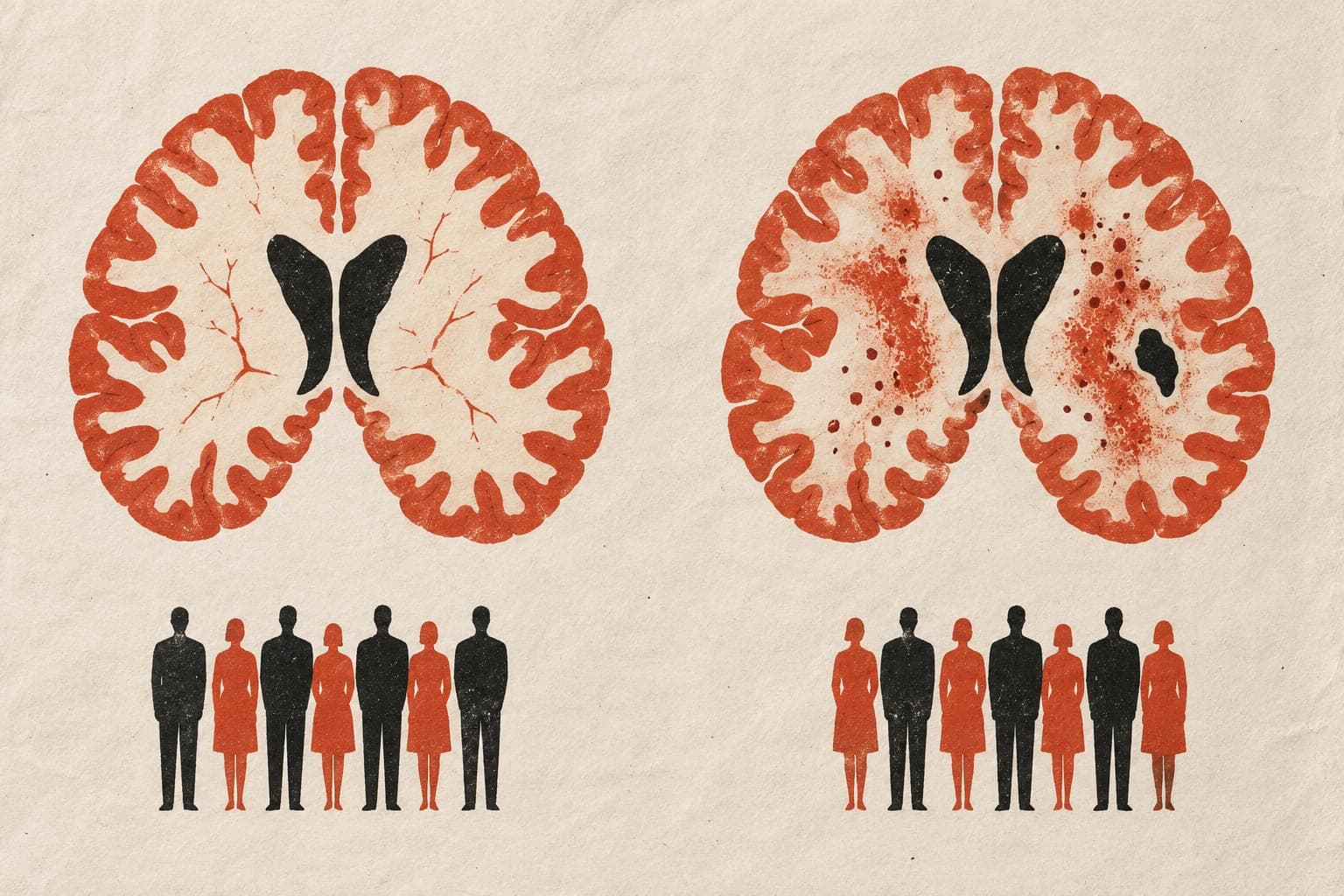
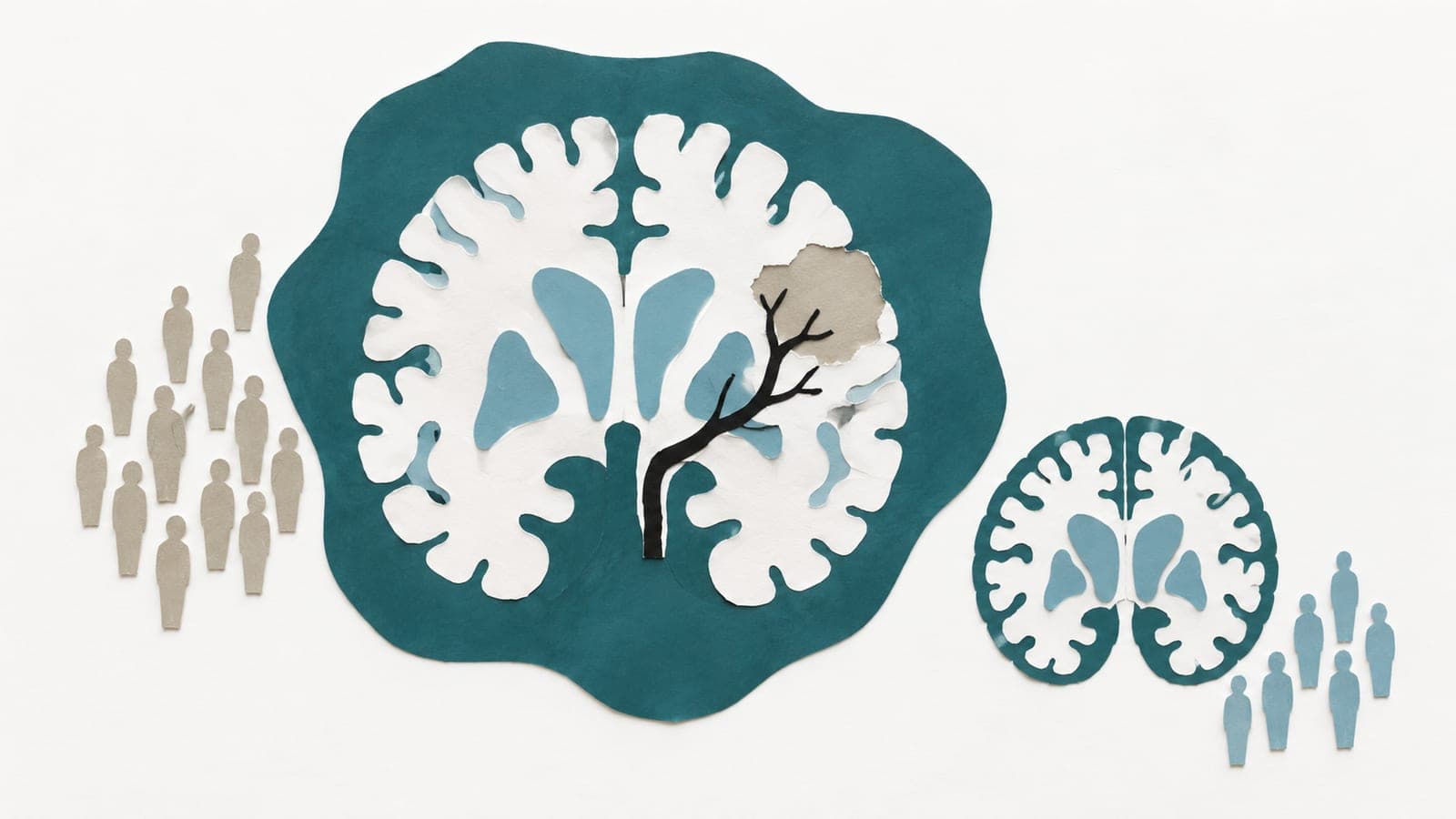
Vascular cognitive impairment and dementia (VCID) is common in the ageing population. VCID is often the cause of alterations in vascular perfusion or function, reflected for example in strokes, haemorrhages, and small vessel disease. The risk of developing VCID is accelerated by the presence of cardiovascular risk factors like hypertension, hyperlipidemia, diabetes mellitus, smoking, and atrial fibrillation. Symptoms of VCID vary depending on the brain regions affected and the extent of blood flow disruption. Common early signs include slowed thinking, difficulty planning or organizing, trouble concentrating, confusion, and changes in mood or behaviour. Motor function disturbances in gait and balance are increasingly recognized as early features, and functional consequences may well be aggravated in the presence of multi-domain impairment in motor function as well as cognition. While some patients experience sudden onset of these symptoms following a cerebrovascular event, many experience a gradual progression of symptoms due to cerebral small vessel damage. In the absence of a cure for VCID, emphasis on clinical treatment is on timely preventive interventions as well as supportive care and management. The collection of selected studies on VCID published in Age and Ageing provides an overview of the impact of modifiable risk factors on motor function impairment as well as cognitive symptoms, and points towards developments in preventative risk factor management and recent combined cognitive-motor interventions aimed at maintaining cognitive and functional ability.