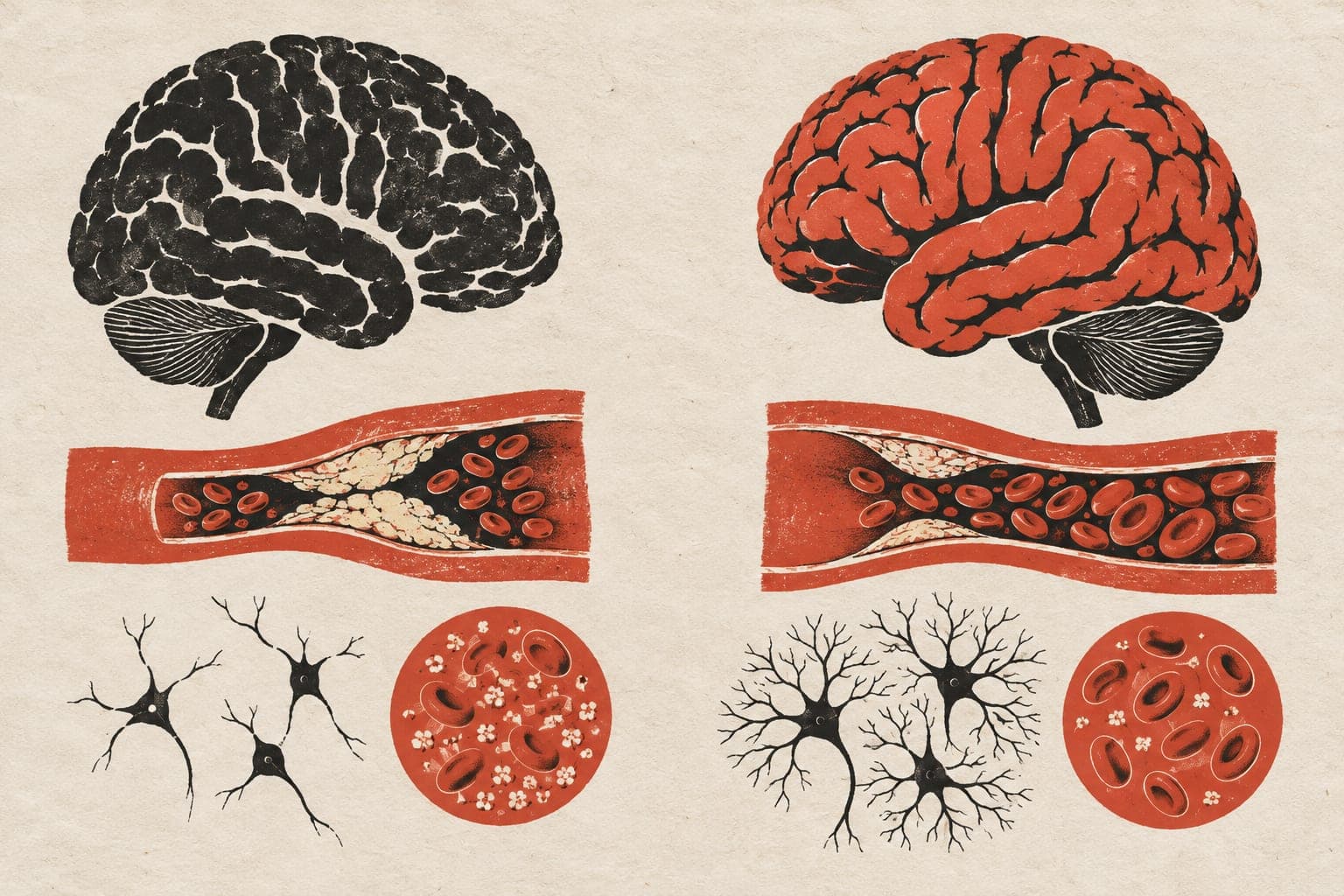
Blood sugar swings linked to poorer thinking in some adults
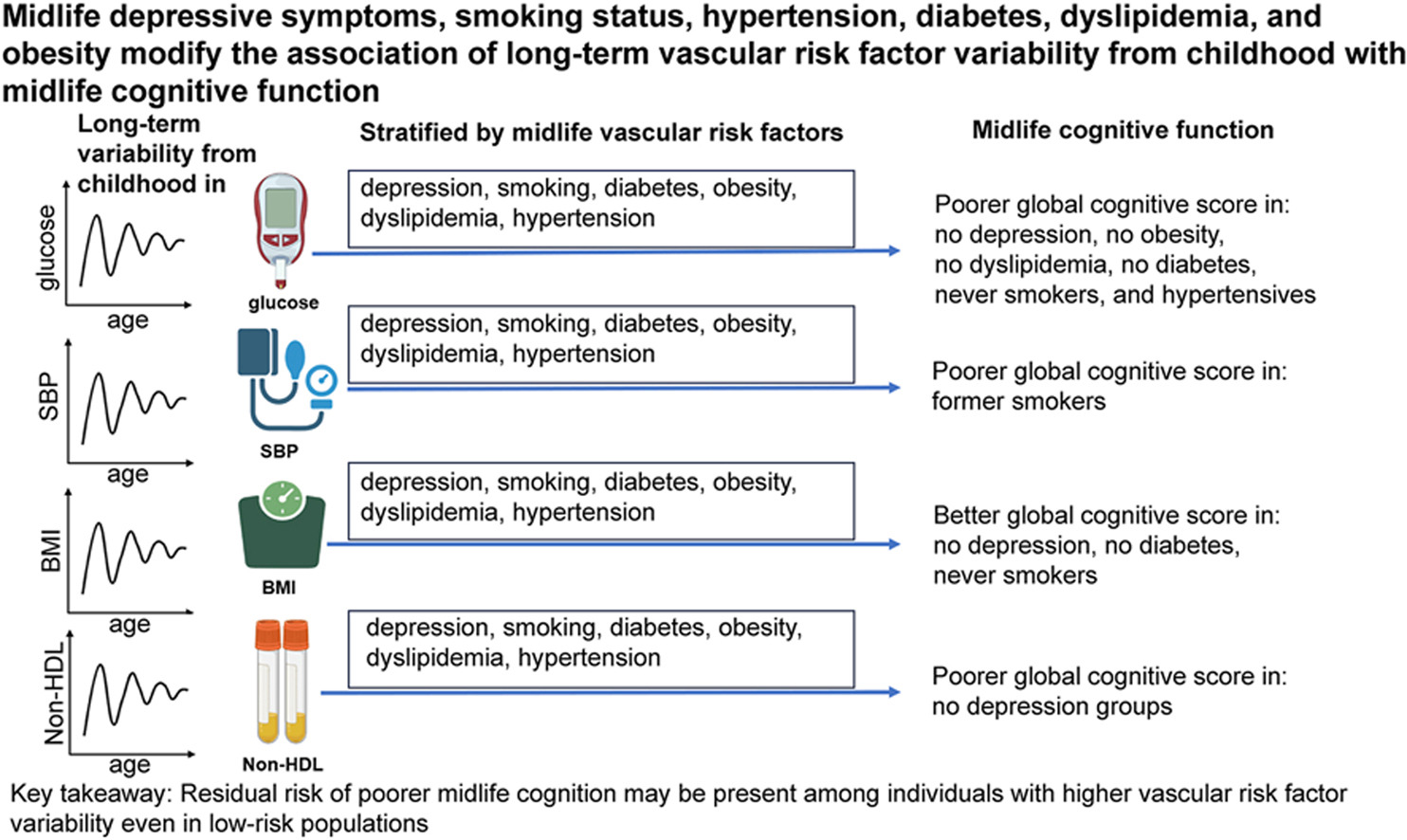
Among adults with high blood pressure, greater blood sugar variability was linked to a 0.12 lower combined thinking-test score, comparing the highest and lowest thirds.
International Journal of Cardiology Cardiovascular Risk and Prevention
An observational study analysed 1,010 Bogalusa Heart Study participants followed from childhood for 39 years, with a mean age of 48 at midlife assessment. Participants had at least three repeated measurements of vascular risk factors—measures related to blood vessel disease. Researchers compared their variability with a combined score from eight standardised thinking tests.
Greater blood sugar variability was linked to poorer scores among people with high blood pressure. This link also appeared separately in groups without depressive symptoms, obesity, abnormal blood fat levels or diabetes, and among never smokers. Greater variability in systolic blood pressure, the pressure when the heart contracts, was linked to poorer scores only among former smokers.
Why it matters
The authors suggested that tracking variation in risk factors for blood vessel disease from early life, even in low-risk groups, could help support cognitive aging.
Caveats
This observational study assessed thinking skills only once in midlife. It could not establish cause and effect or show whether participants’ thinking skills declined over time.
The paper
Tulane University
International Journal of Cardiology Cardiovascular Risk and Prevention · 25 Sep 2026