Age- and dose-specific effects of caffeine on sleep: A meta-analysis of controlled crossover trials
Abstract
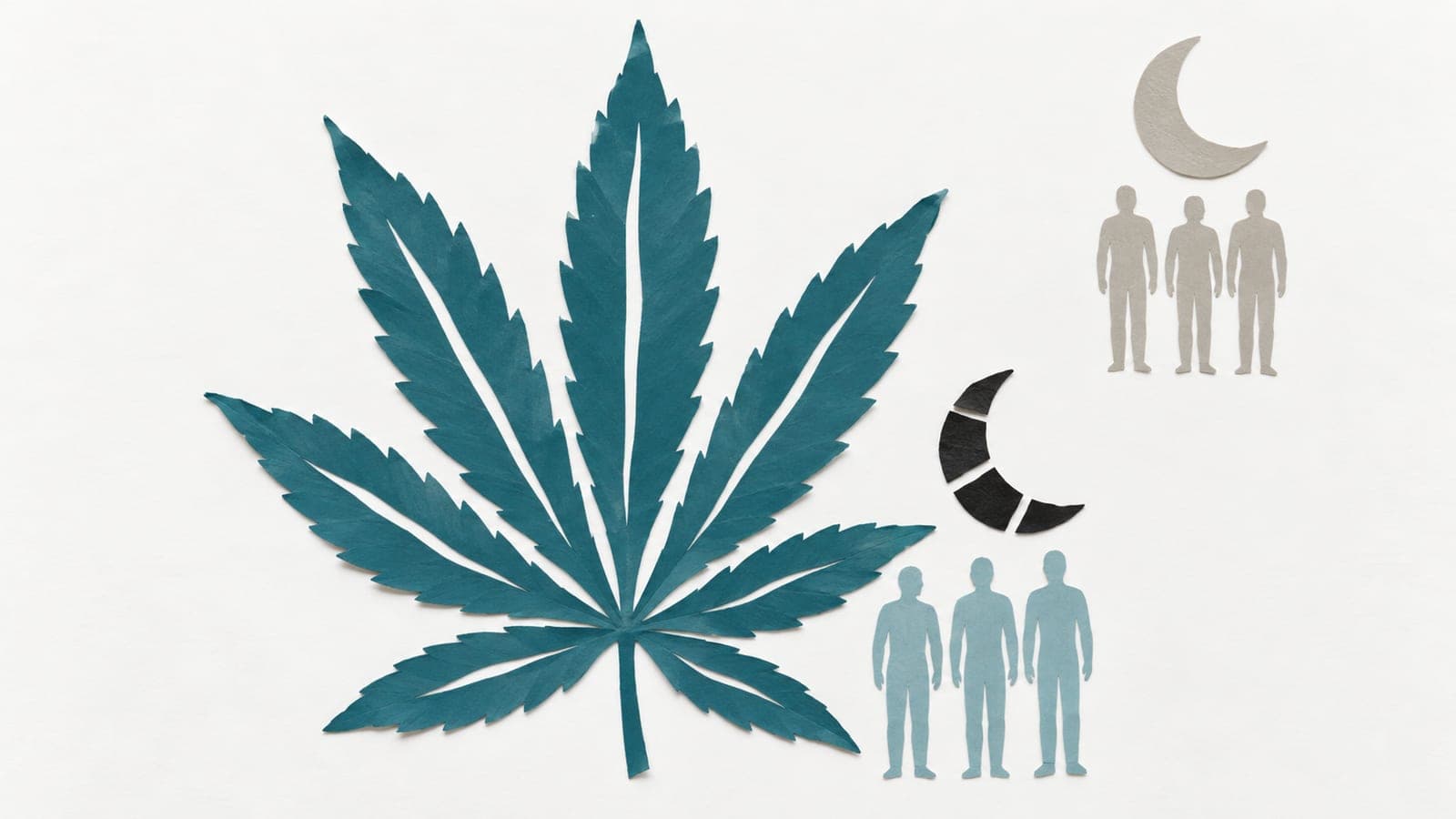
Caffeine, one of the most widely consumed psychoactive substances, is well known to disturb sleep, yet the extent to which its impact varies by age and dose has not been completely quantified. We searched PubMed, Web of Science, CINAHL, and the Cochrane Library (through March 25, 2025) for controlled crossover trials that measured nighttime polysomnography after acute caffeine or placebo administration in healthy adults. Twenty-two trials (956 participants) met inclusion criteria. Random-effects meta-analysis showed that caffeine significantly reduced total sleep time (mean difference [MD] = -34.67 min), sleep efficiency (MD = -4.74 %), and slow-wave sleep proportions (SWS%) (MD = -1.01 %), while prolonging sleep onset latency (MD = +8.35 min). Effects on REM% were insignificant. Subgroup analyses showed that caffeine reduced total sleep time in both young and middle-aged groups. In the young group, it also reduced sleep efficiency, prolonged sleep onset latency, and decreased SWS%. Both high- and low-dose caffeine reduced total sleep time and sleep efficiency, and increased sleep onset latency, while high-dose caffeine additionally reduced SWS%. However, between-group differences were not statistically significant. Leave-one-out sensitivity tests confirmed the stability of pooled estimates. Mixed-effects meta-regressions did not reveal a significant linear relationship with continuous age or dose. In conclusion, caffeine consumption disrupted multiple sleep parameters in younger and high-dose consumers. These results underline the need for age- and dose-specific public-health guidance to minimize caffeine-related sleep disturbances and to protect restorative sleep across the lifespan.
The paper
China Medical University; National Health Research Institutes
Sleep Medicine, 18 Oct 2025