Cannabis use linked to poorer objective sleep in middle age
In a 35-year cohort of adults around age 61, each year of cumulative cannabis use was linked to higher odds of prolonged nighttime wakefulness.
35 years
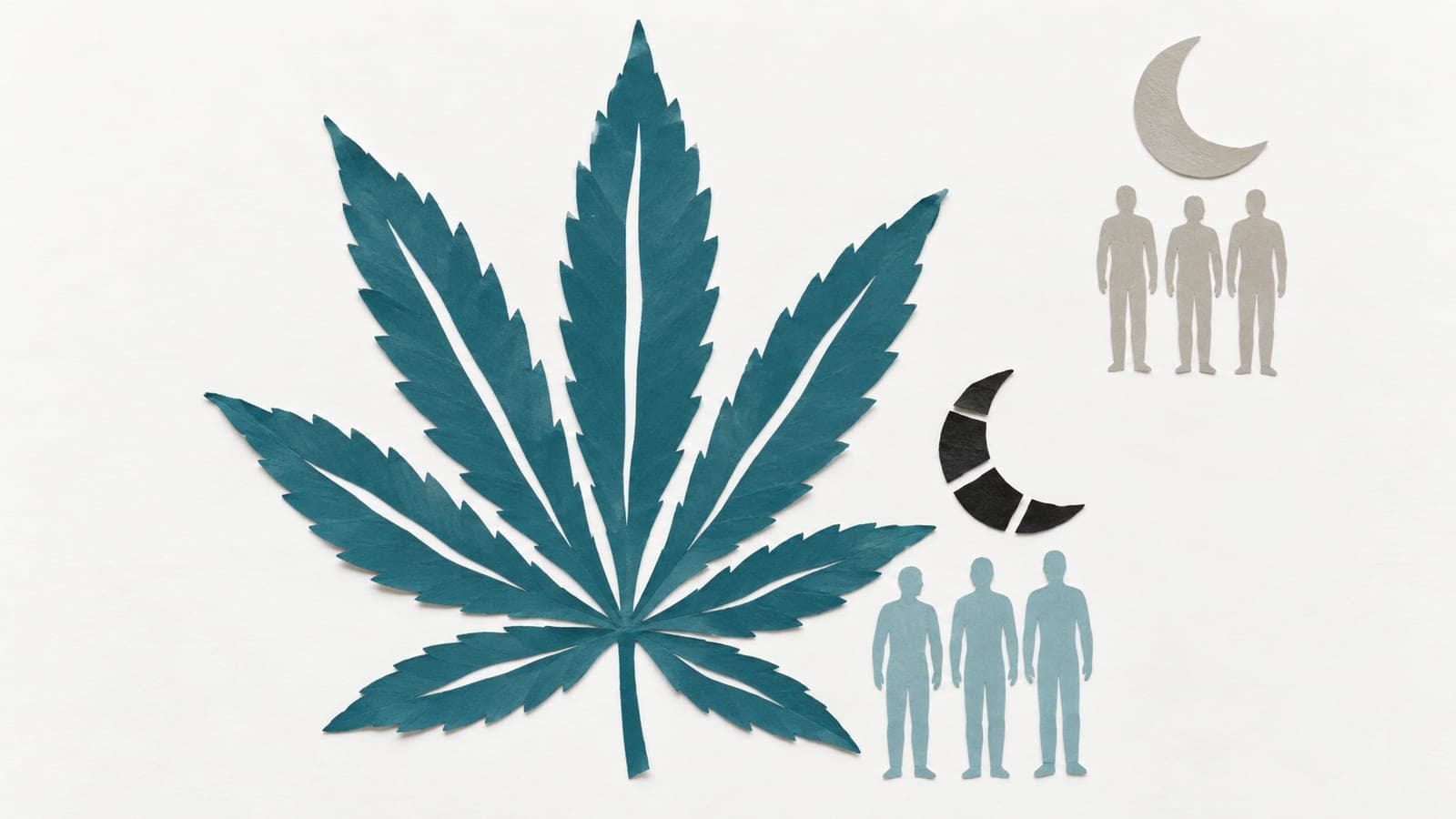
In a cohort study of 1,266 middle-aged adults followed over 35 years, researchers analysed whether cumulative cannabis exposure from young adulthood to middle age and recent use were associated with sleep in midlife. Objective sleep was measured using 7-day wrist actigraphy in 891 participants with a mean age of 60.7 years, while 1,128 completed a subjective sleep quality questionnaire. After multivariable adjustment, each additional cannabis-year, equal to 365 days of use, was associated with higher odds of low sleep percentage, high sleep fragmentation, and prolonged wakefulness of 30 minutes or more after falling asleep. Compared with never use, recent use was associated with higher odds of low sleep percentage, high fragmentation, long sleep duration, and prolonged wakefulness. Cannabis use was not associated with self-reported sleep quality.
Why it matters
Sleep patterns often change across adulthood. These findings suggest a potential adverse association between long-term recreational cannabis exposure and midlife sleep health.
Caveats
The study was observational, meaning the associations cannot show that cannabis caused the sleep differences. In addition, objective sleep was measured during a single seven-day period of wrist actigraphy.
The paper
Recent and Cumulative Cannabis Use and Sleep in Middle-Aged Adults
Northwestern University
JAMA Network Open, 1 Oct 2026