Physiological aging in three dimensions
Abstract
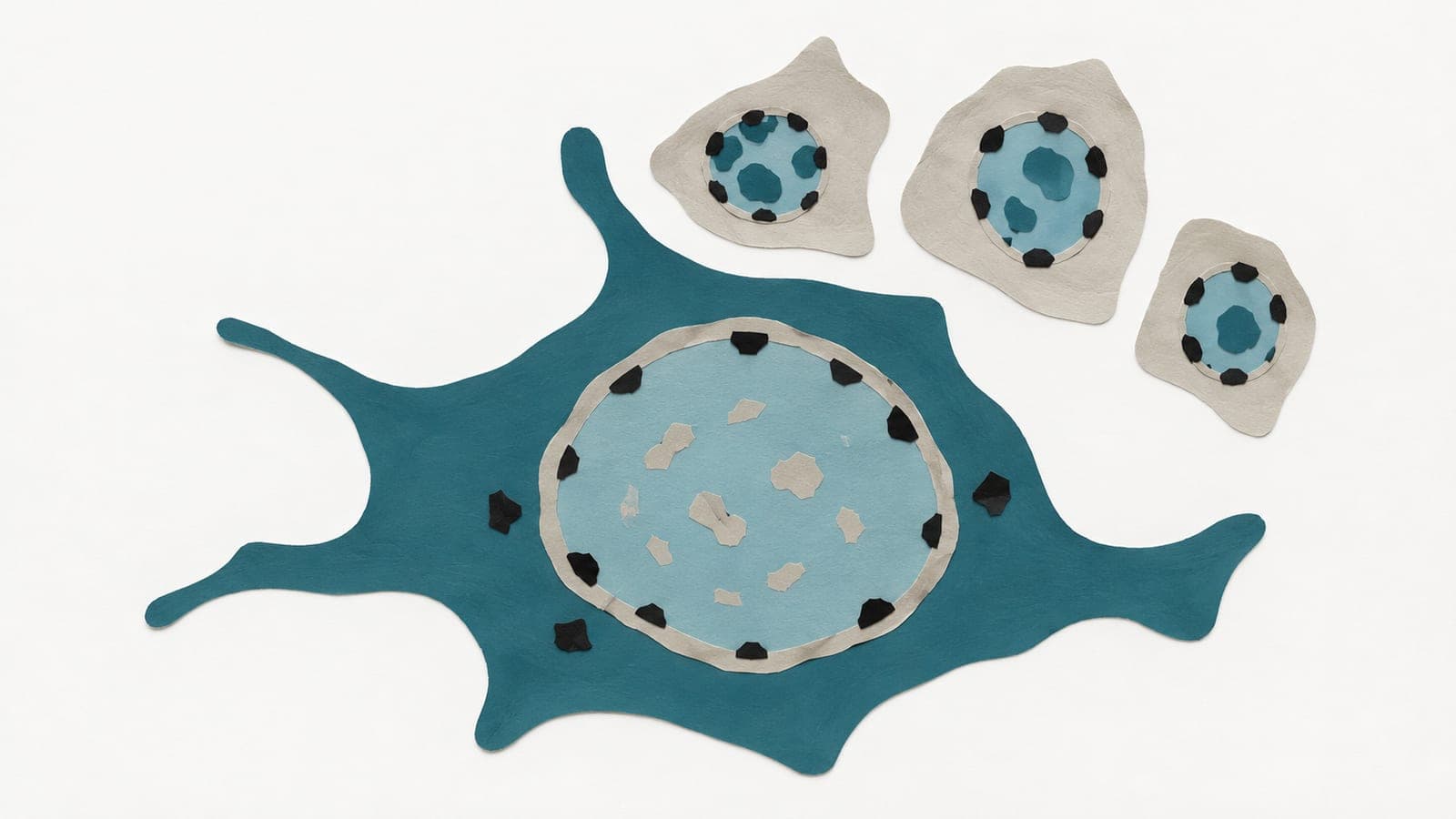
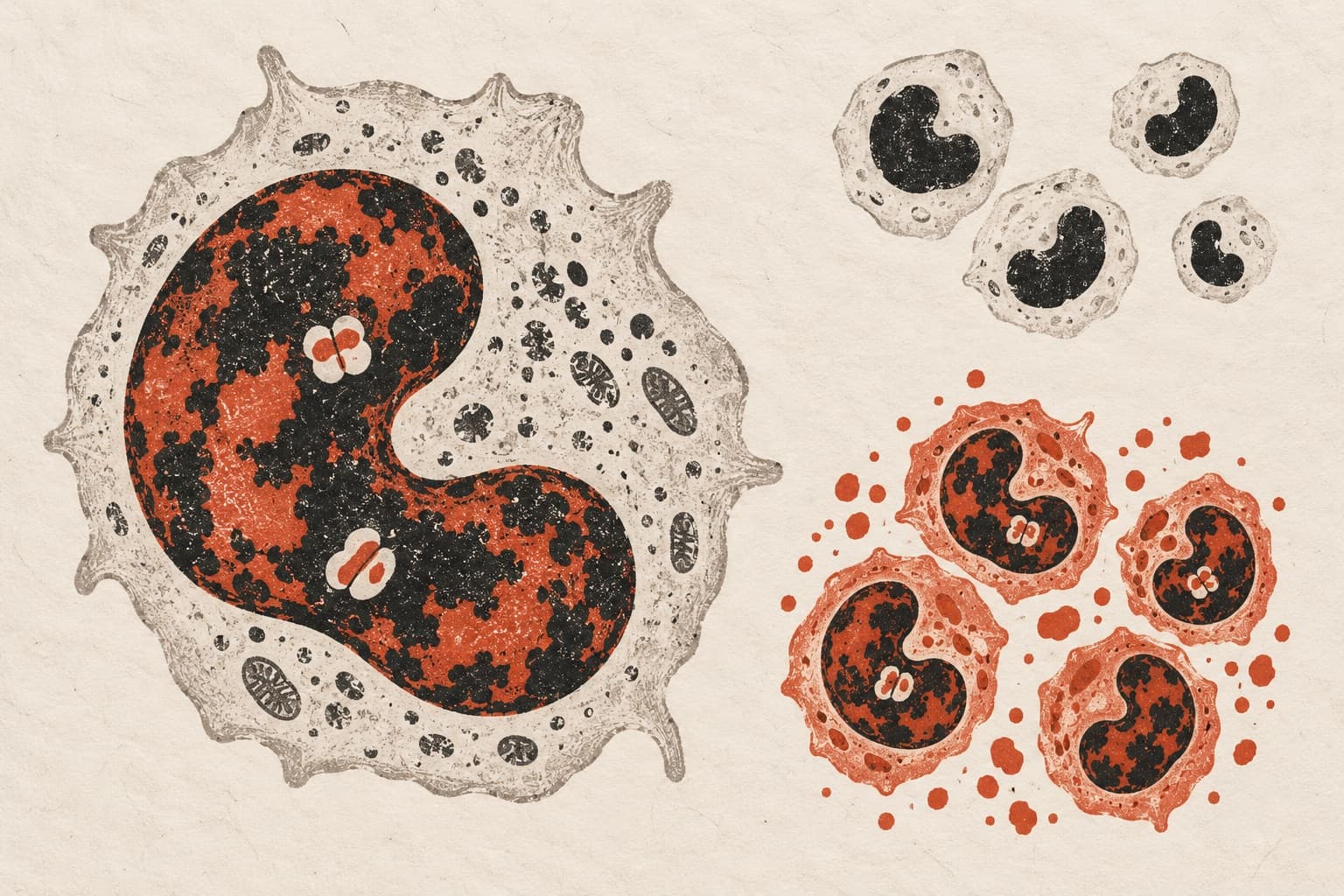
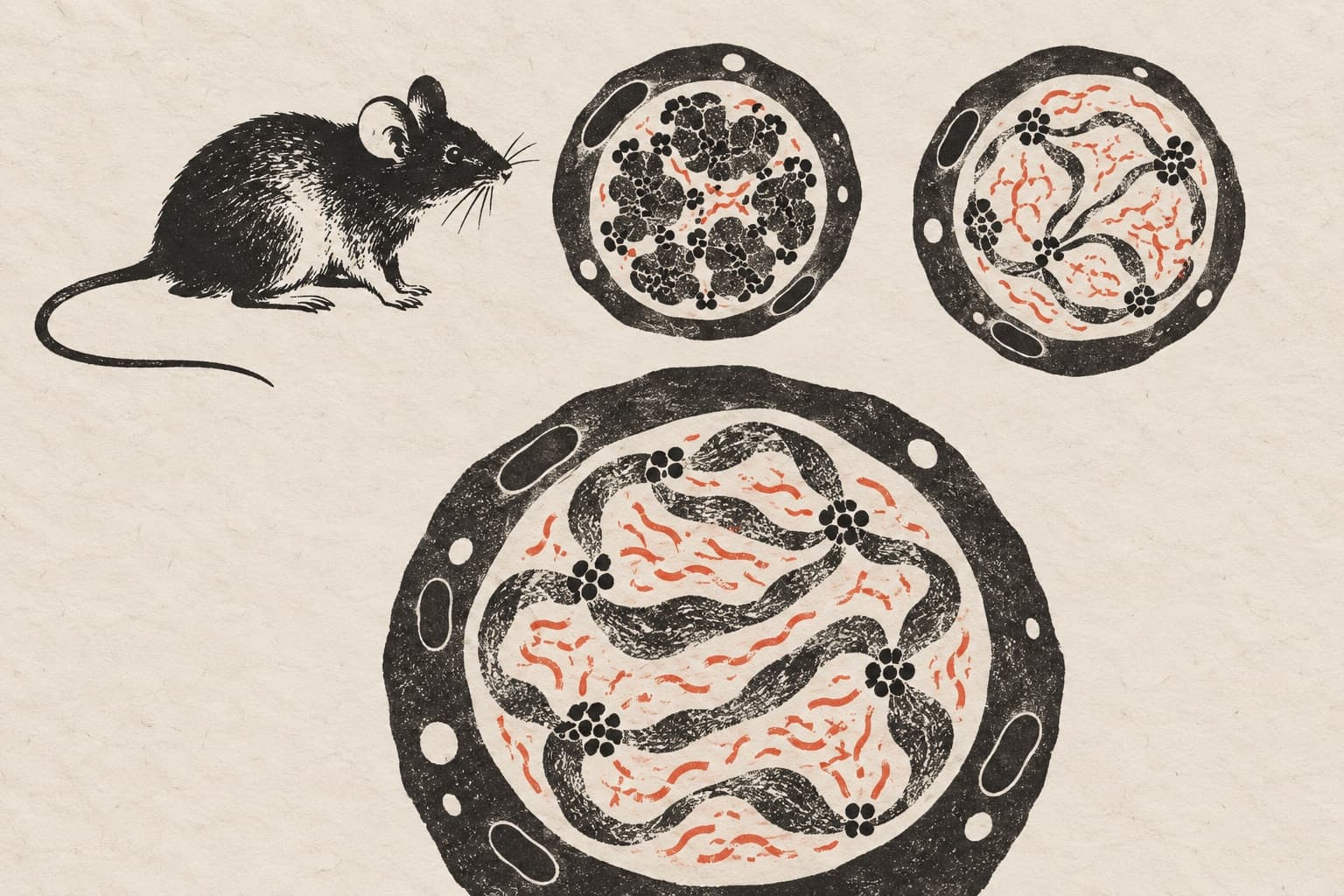
Aging is characterized by progressive structural and functional decline, driven partially by epigenetic alterations. While changes in DNA methylation, histone modifications, and chromatin accessibility are well studied, the role of three-dimensional chromatin organization in aging remains underexplored. Advances in chromosome conformation capture technologies have revealed hierarchical chromatin structures, including compartments, topologically associating domains (TADs), and chromatin loops, which are crucial for gene regulation. Emerging evidence suggests that aging changes these structures, leading to altered gene expression and cellular dysfunction. This review summarizes recent findings on age-associated chromatin reorganization, highlighting its impact on transcription and nuclear architecture. It also compares the roles of 3D chromatin organization in aging and senescence, highlighting shared and distinct features in these biological contexts.
The paper
National Institute on Aging
Trends in Cell Biology, 30 Aug 2025