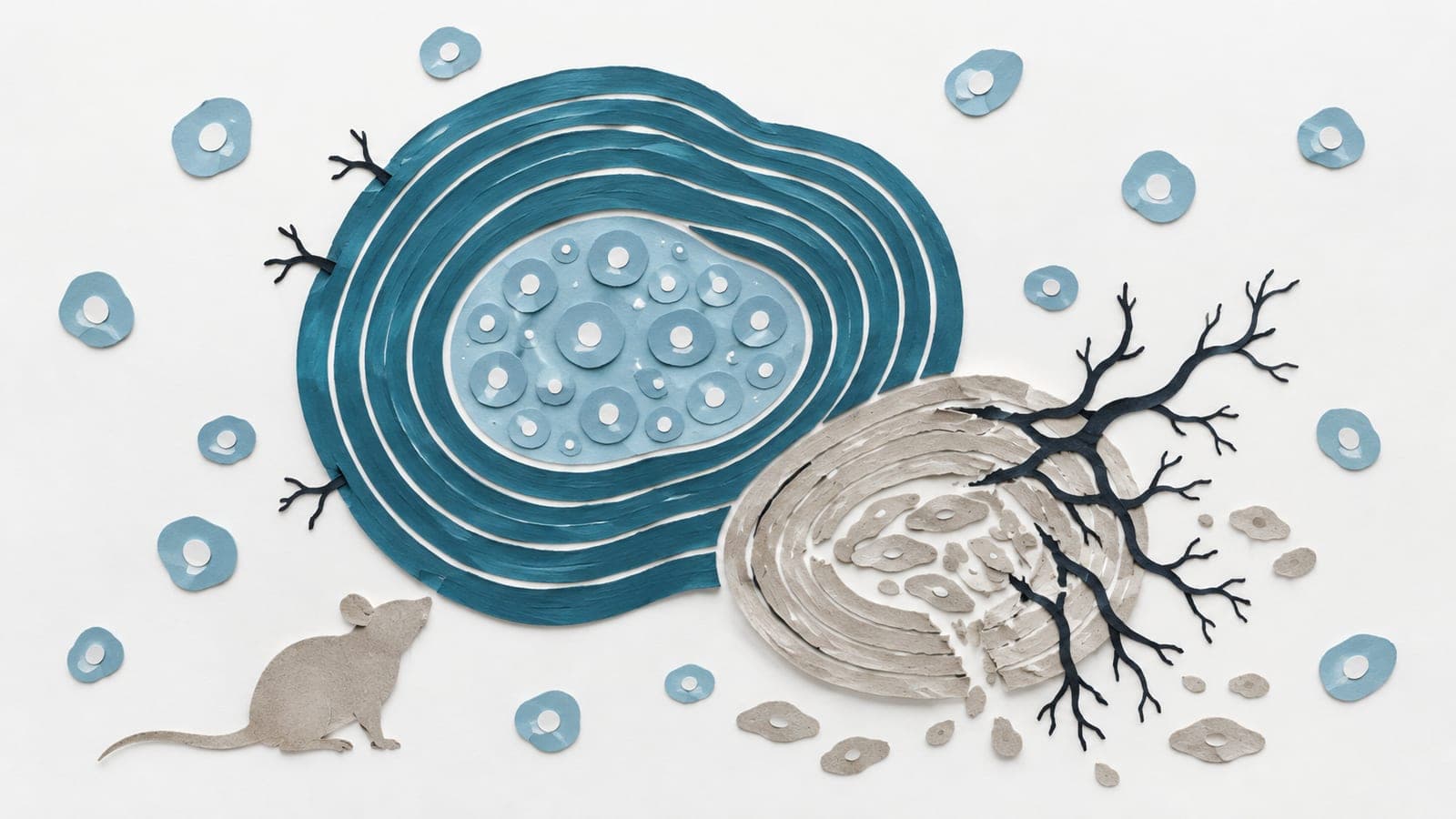
Paternal BDE-209 exposure disrupts spermatogenesis in mouse offspring via cGAS-STING pathway activation and mitophagy inhibition
50 days
Abstract
Decabromodiphenyl ether (BDE-209) has been recognized for its adverse effects on the male reproductive system. The specific negative effects and underlying mechanisms through which BDE-209 impacts the reproductive function of offspring are not yet fully understood. The present study classified institute of cancer research (ICR) mice into control and BDE-209 treatment groups, administering doses of 0 and 75 mg/(kg·day), respectively. After 50 days of exposure, normal female mice were co-housed with the male mice, and their male offspring were sacrificed at 2 and 12 months of age. Paternal BDE-209 exposure reduced both sperm quantity and quality in offspring. Furthermore, exposure to BDE-209 resulted in DNA damage and the upregulation of the cyclic GMP-AMP synthase (cGAS)-stimulator of interferon genes (STING) DNA-sensing and inflammatory signaling pathways. The activation resulted in Z-DNA binding protein 1 (ZBP1) binding to the mitochondrial antiviral signaling protein (MAVS), subsequently activating mitochondrial apoptosis in the testes. The activation of the cGAS-STING pathway inhibited mitophagy, leading to senescence in the testes of male offspring. In vitro studies indicated that the cGAS inhibitor RU320521 (RU.521) effectively reversed the cGAS-STING pathway activation, alleviated the mitophagy inhibition, and decreased apoptosis and senescence in mouse spermatocyte line GC-2spd cells treated with BDE-209. The results showed that paternal BDE-209 exposure might disrupt spermatogenesis in mouse offspring by activating the cGAS-STING pathway and inhibiting mitophagy. This study provides essential data on the toxicity of BDE-209 to male reproduction and have important scientific and practical implications for maintaining biodiversity and population health in general.
The paper
Capital Medical University
Journal of Environmental Sciences, 4 Mar 2025