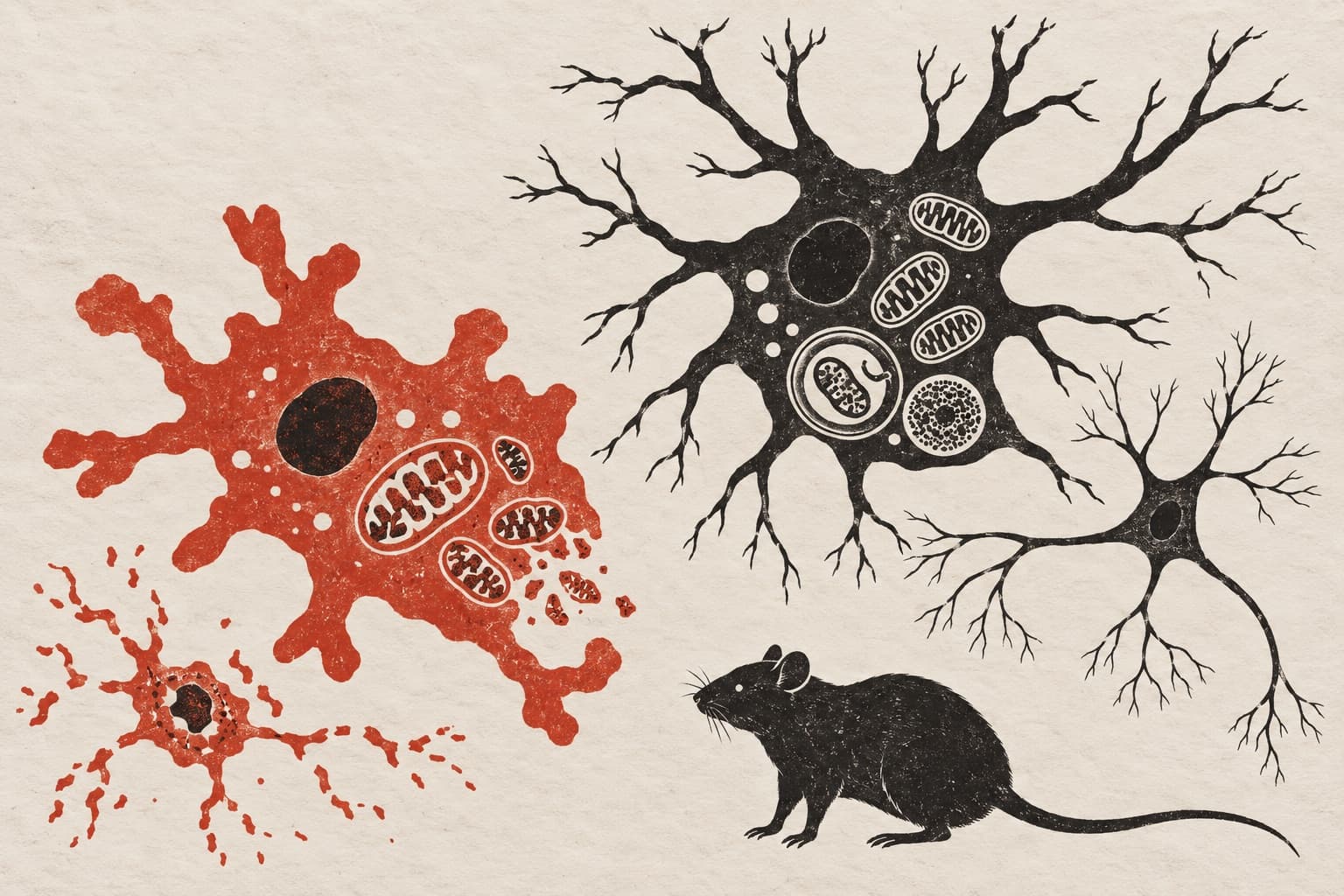
D-allose attenuates intervertebral disc degeneration by targeting a mitochondrial stress pathway
The rare sugar enhances mitophagy, blocks cGAS-STING signaling, and protects nucleus pulposus cells from senescence and apoptosis.
Experimental & Molecular Medicine
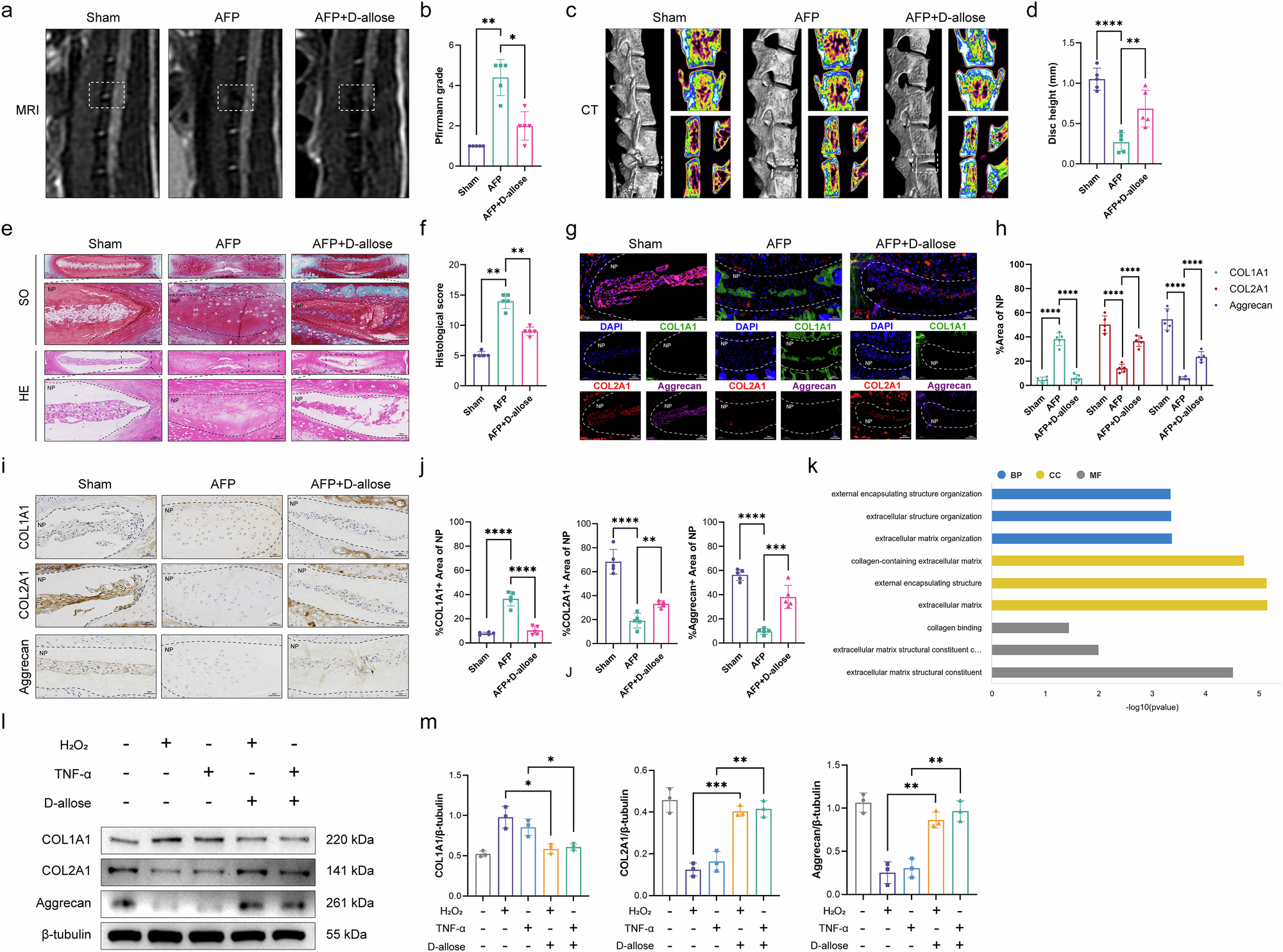
Studying human disc specimens and genetic animal models, researchers identified a mitochondrial stress pathway that drives intervertebral disc degeneration. In nucleus pulposus cells, impaired mitophagy caused mitochondrial DNA to leak into the cytosol. This leakage activated the cGAS-STING innate immune pathway and suppressed adrenomedullin 2, a cytoprotective peptide, which triggered cellular senescence and apoptosis. Treatment with D-allose, a naturally occurring rare sugar, reprogrammed this cascade. D-allose restored mitophagy, limited cytosolic mitochondrial DNA accumulation, suppressed cGAS-STING signaling, and preserved adrenomedullin 2 activity. In vivo, D-allose markedly attenuated disc degeneration. Genetic ablation of STING produced a similar protective effect against degeneration, confirming the importance of this pathway.
Why it matters
The findings show how mitochondrial stress and innate immune signaling converge to trigger cellular senescence and tissue degeneration. Intervening in this pathway with a safe metabolic compound highlights a potential strategy to preserve cell homeostasis in aging tissues.
Caveats
The in vivo protective effects were demonstrated in animal models and need validation in human clinical trials. The abstract also does not specify the exact animal species, dosages, or long-term outcomes.
The paper
Sun Yat-sen University
Experimental & Molecular Medicine · 1 Oct 2026