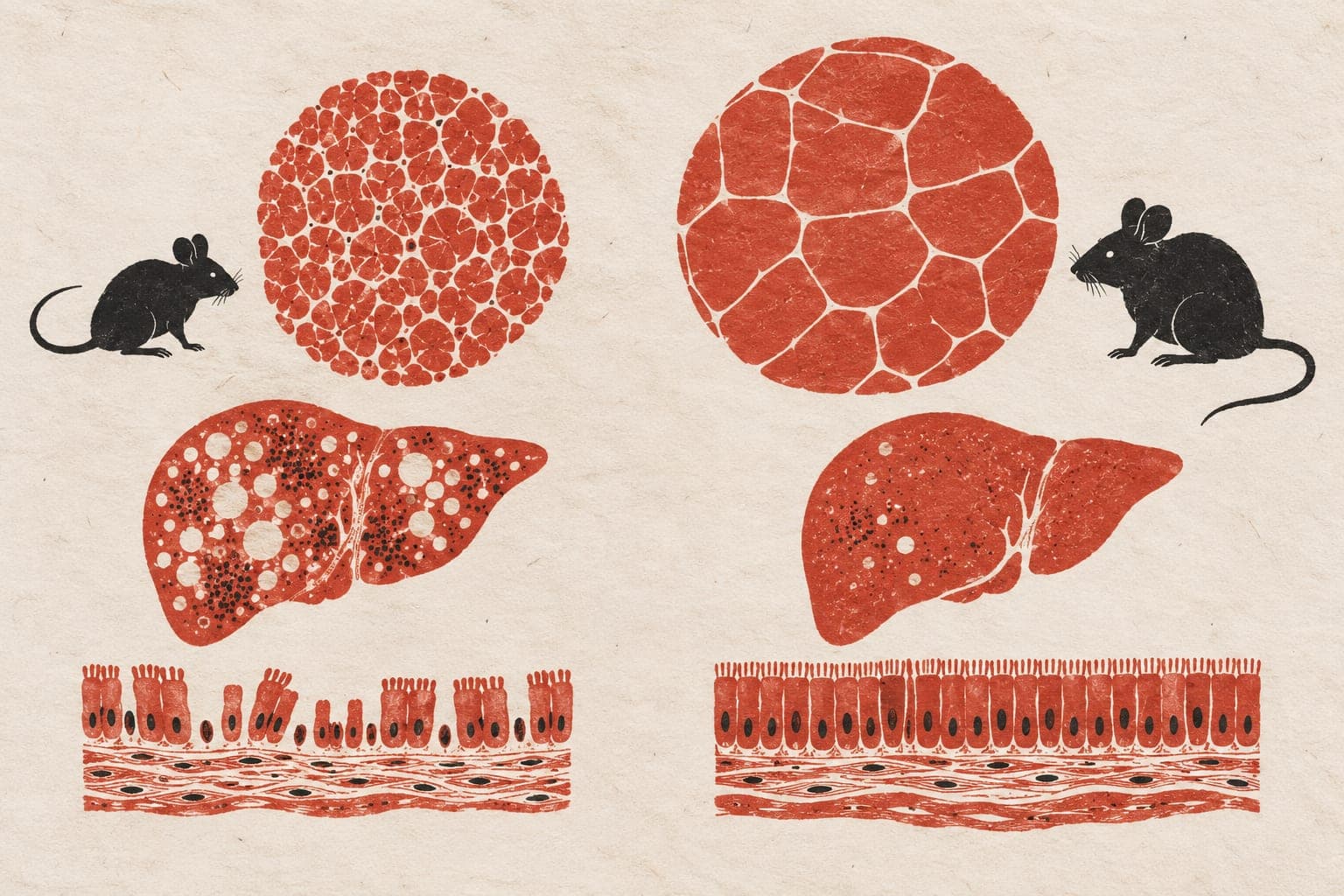
Quinolinic acid protects mouse liver from high-fat diet induced MASLD by inhibiting lipid uptake gene expression
Abstract
Quinolinic acid (QA) is a metabolite of tryptophan catabolism involved in the biosynthesis of nicotinamide adenine dinucleotide (NAD). It has been extensively studied in the context of neuropsychiatric disorders in the past decades. Recent studies have also linked high plasma QA levels to obesity, metabolic dysfunction-associated steatotic liver disease (MASLD) and diabetes. In the present study, we have explored the impact of long-term oral QA administration on glucose and lipid metabolism in mice. We observed a protective role for QA in preventing hepatic lipid accumulation in high-fat-diet fed mice, whereas oral administration of NAD showed opposite effects. We further demonstrated that QA reduces hepatic lipid uptake by inhibiting the expression of lipoprotein lipase (LPL) and fatty acid translocase (CD36) in liver, thereby mitigating liver lipid accumulation in the context of a high-fat diet. Our data suggest that QA is an important regulator of lipid homeostasis and has potential as a therapeutic target for MASLD.
- Quinolinic acid
- Lipid and ceramide metabolism
- Metabolic dysfunction-associated steatotic liver disease
- Hepatic lipid accumulation
- CD36
- Mice
The paper
Army Medical University; Jinan Central Hospital
European Journal of Pharmacology, 13 Aug 2025, Open access