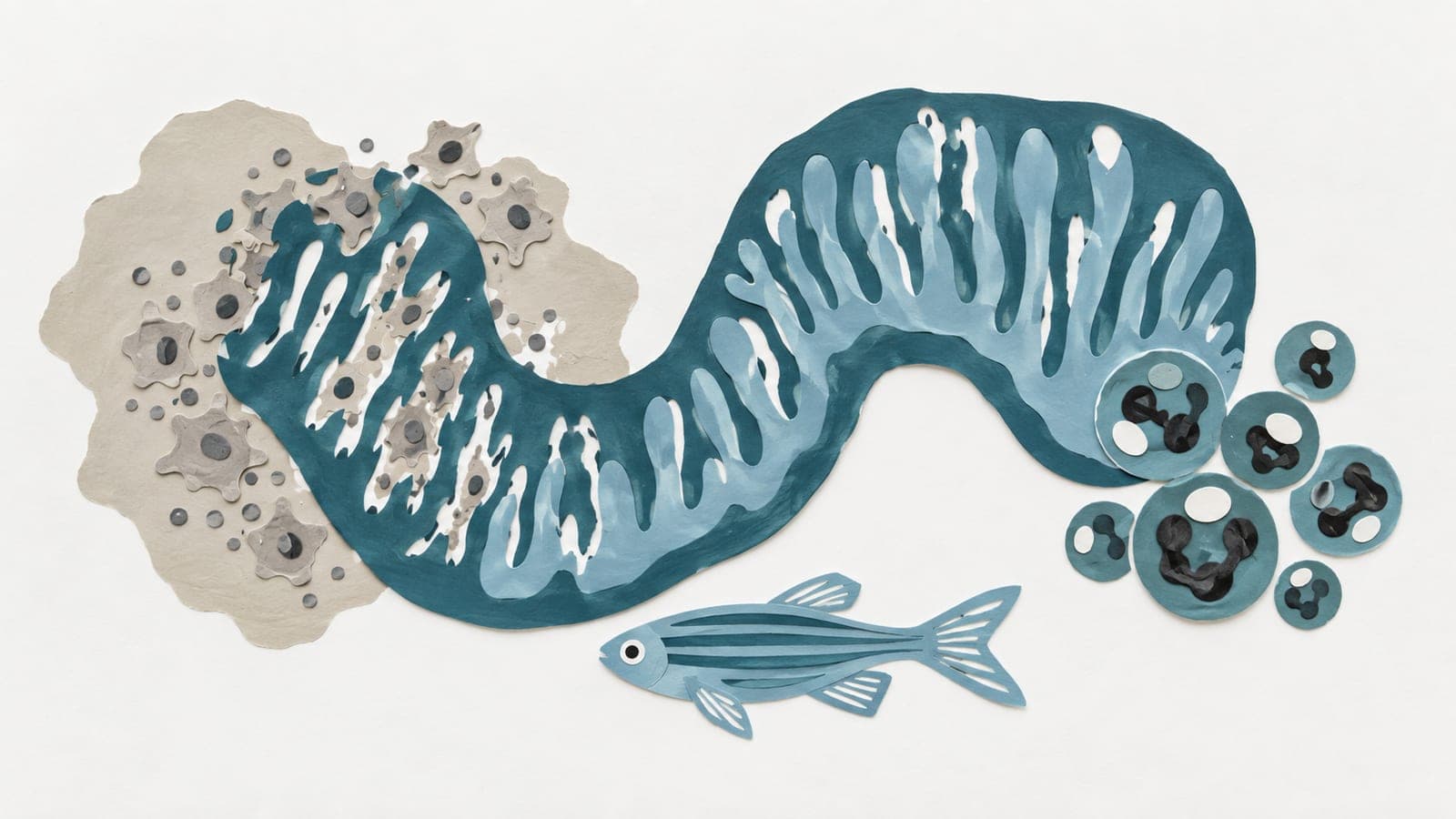
Unconventional animal models to study the role of telomeres in aging and longevity
Abstract
The progressive shortening of telomeres is significantly implicated in various cellular processes related to aging, including the limitation of cellular proliferative lifespan through the activation of DNA damage response pathways, ultimately leading to replicative senescence. Telomere shortening is considered an indicator of biological age rather than chronological age. The restoration of telomere length is mediated by the enzyme telomerase; however, it is crucial to maintain a balance in this process, as excessive telomerase activity and overly elongated chromosomes may increase the susceptibility of individuals to cancer. It has been proposed that variations in telomere length among individuals of the same chronological age may be associated with differences in potential lifespan. However, recent studies suggest that telomere length may serve only as a rough estimate of the aging process and is likely not a clinically relevant biomarker for age-related diseases or mortality risk. Furthermore, variations in telomere length are not solely determined by chronological age; rather, they are modulated by a multitude of factors, including genetic predispositions, environmental conditions, and heightened metabolic activities such as reproduction and body weight, which may lead to increased telomere attrition in certain species. It has been argued that traditional animal models, such as the mouse (Mus musculus) and the rat (Rattus norvegicus domestica), are suboptimal for investigating the relationship between telomere length and aging, as their lifespans and telomere lengths do not adequately reflect those of humans. Consequently, it is recommended to use long-lived species as they would provide a more appropriate framework for such research initiatives. This review aims to examine the correlation between telomere length and longevity in various non-traditional long-lived animal models, evaluating their suitability for investigating the molecular mechanisms underlying telomere attrition in the context of aging. Nevertheless, the question of whether telomere length is a causative factor or a consequence of longevity remains an area that necessitates further investigation.
The paper
Sirius University of Science and Technology; University of Massachusetts Chan Medical School
Vavilovskii Zhurnal Genetiki I Selektsii, 1 Jul 2025