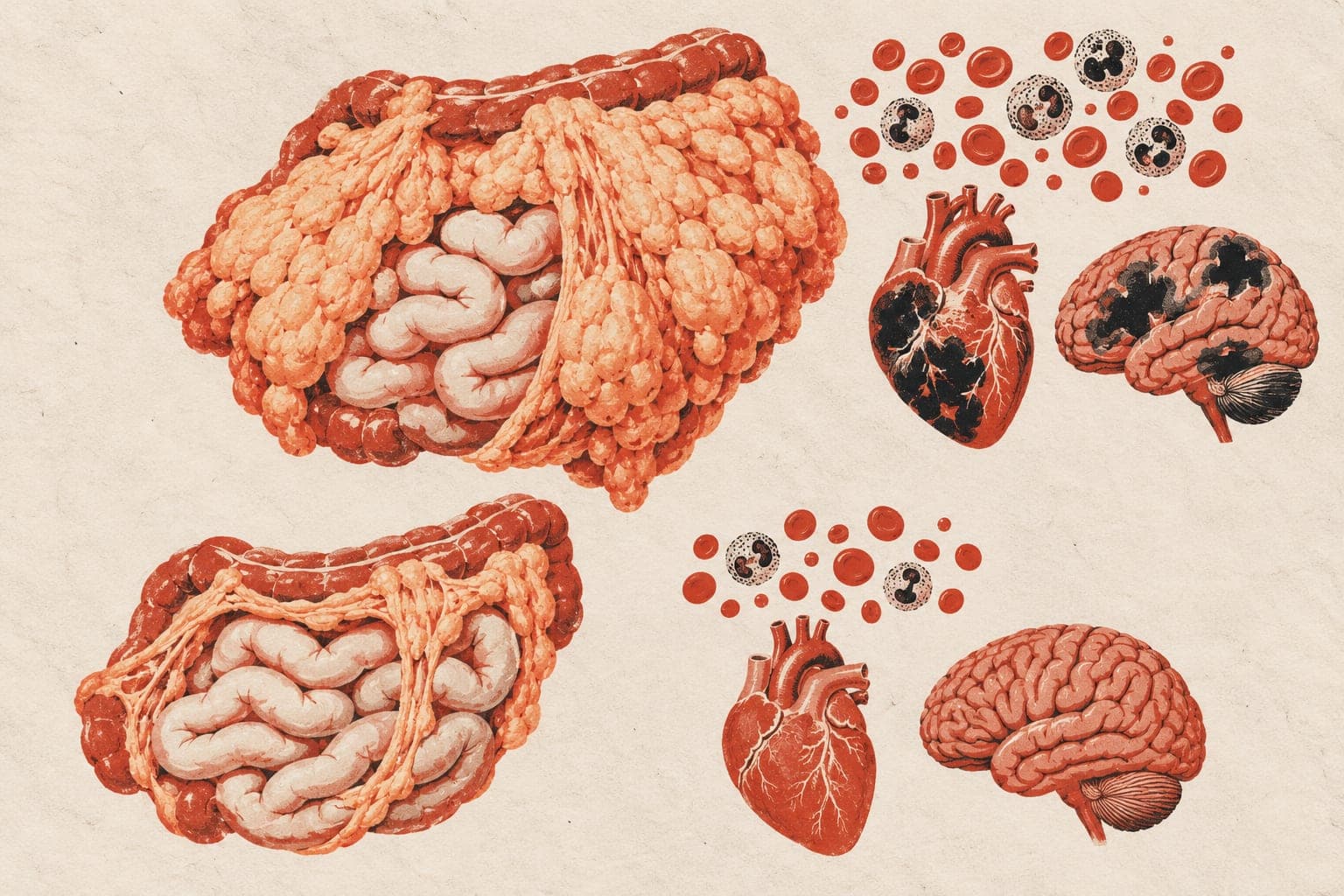
Workplace noise linked to heart risk markers in Chinese workers
In 765 Chinese workers, a cross-sectional study linked greater cumulative noise exposure to higher blood fat risk measures and shorter protective caps on chromosomes.
QJM
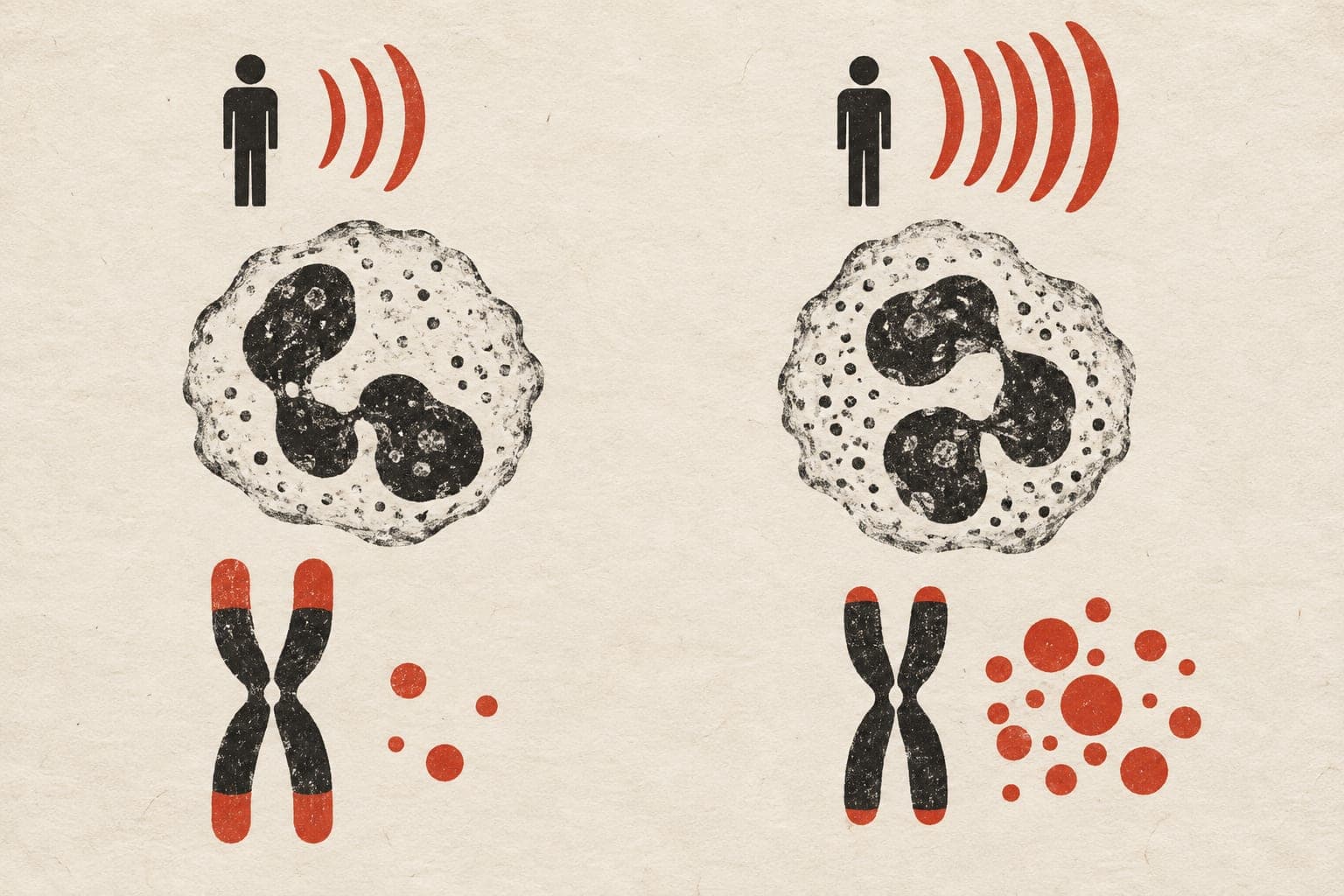
A cross-sectional study examined 765 Chinese workers and 131,214 UK Biobank participants. For the Chinese workers, researchers combined job histories and workplace noise measurements to estimate cumulative exposure. They calculated two measures from blood fats used to assess heart and blood vessel disease risk. They also measured telomeres, protective caps on chromosome ends, in white blood cells.
Among the Chinese workers, greater cumulative noise exposure was associated with higher values on both blood fat measures and shorter telomeres. Shorter telomeres were also associated with higher values on both measures. A statistical analysis suggested that telomere length partly accounted for the noise association with one blood fat measure. In UK Biobank, occupational noise exposure was likewise associated with higher values on one of the blood fat measures and shorter telomeres.
Why it matters
Risk of heart and blood vessel disease is relevant to healthy aging. The study explored whether telomere length might help account for links between workplace noise and blood fat risk measures.
Caveats
Cross-sectional data cannot show whether noise caused these differences or whether telomere length played a causal role. The outcomes were blood fat risk measures, not heart disease events.
- Occupational noise exposure
- Telomere length
- Telomere
- Atherogenic index of plasma
- Non-high-density lipoprotein cholesterol to high-density lipoprotein cholesterol ratio
- Humans
The paper
Show 7 more authors
Qiyou Tan, Kaiji Lang, Hong Zhang, Shuo Yang, Yuqin Liu, Weihong Chen, Wenzhen Li,Tongji Medical College
QJM · 5 Oct 2026