SIRT5-mediated desuccinylation prevents mitochondrial dysfunction in alveolar epithelial cells senescence and pulmonary fibrosis
Abstract
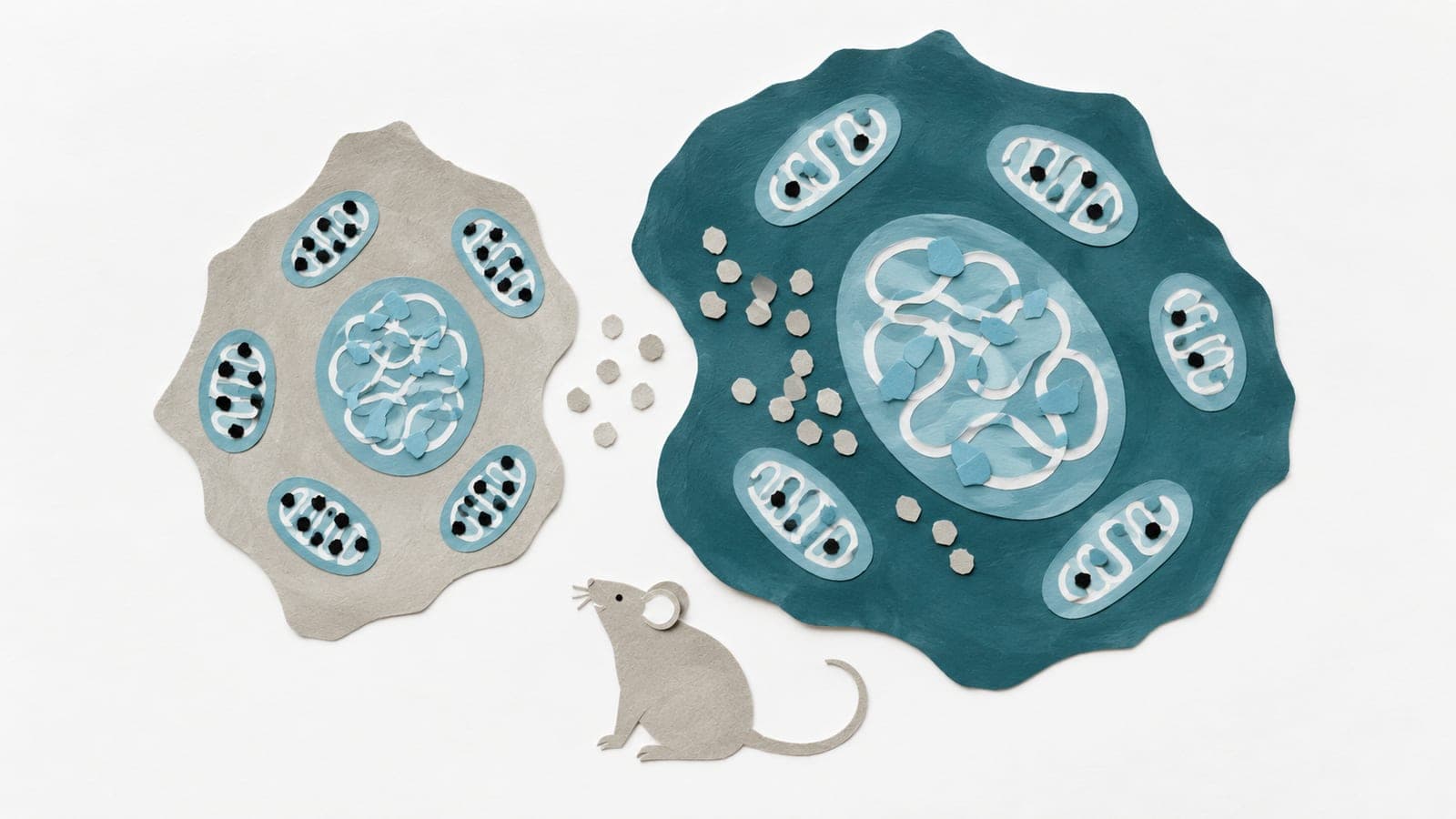
Senescence of alveolar epithelial cells (AEC) is a key event in the onset and progression of Idiopathic pulmonary fibrosis (IPF). The pathogenic mechanisms that underlie the effects of AEC senescence remain largely unexplained. Some age-related diseases have an etiology linked to mitochondrial dysfunction induced by excessive lysine succinylation (Ksucc). SIRT5 can remove excessive Ksucc levels to maintain mitochondrial homeostasis. Therefore, this study aimed to determine the effects of SIRT5-mediated de-Ksucc on mitochondrial function and pulmonary fibrosis after AEC senescence. We found AEC in the lungs derived from IPF patients exhibit a marked accumulation of dysmorphic and dysfunctional mitochondria and excessive Ksucc levels. These mitochondrial abnormalities in AEC of normal mice with advancing age were associated with the downregulation of SIRT5. Increased SIRT5 expression by LV-SIRT5pcDNA in senescent AEC sustains mitochondrial integrity and reduces fibrotic effects of AEC senescence in established bleomycin (BLM)-aging mouse model. The level of ITGB1 K238 was upregulation in senescent AEC, LV-SIRT5pcDNA down-regulates the Ksucc level of ITGB1 K238 blocking the activation of ITGB1/STAT3 signaling pathway associated pulmonary fibrosis. Collectively, our findings indicate excessive lysine succinylation (hyperKsucc) is a fundamental basis for mitochondrial dysfunction in pulmonary fibrosis induced by the AEC senescence and SIRT5 alleviates AEC senescence by stabilizing the mitochondrial function.
The paper
University of Electronic Science and Technology of China; Sichuan Academy of Medical Sciences & Sichuan Provincial People's Hospital
Cellular Signalling, 29 Apr 2025, Open access, accepted manuscript