Rapamycin slows pulmonary fibrosis by reducing lung epithelial cell senescence in mice
The immunosuppressant suppresses epithelial-mesenchymal transition and promotes p53 degradation via the SFN-MDM2 pathway to curb fibrotic lung disease.
Research Square
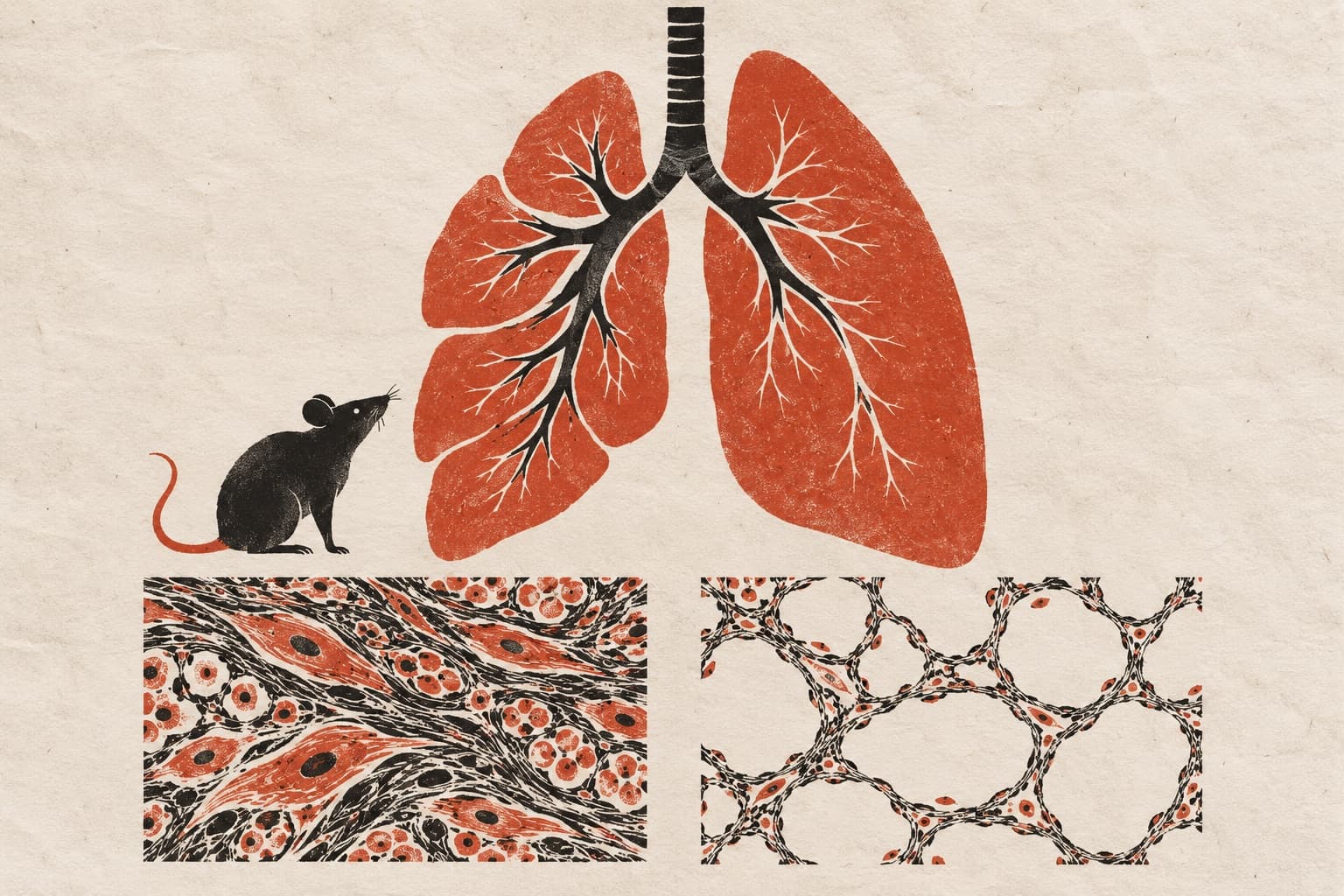
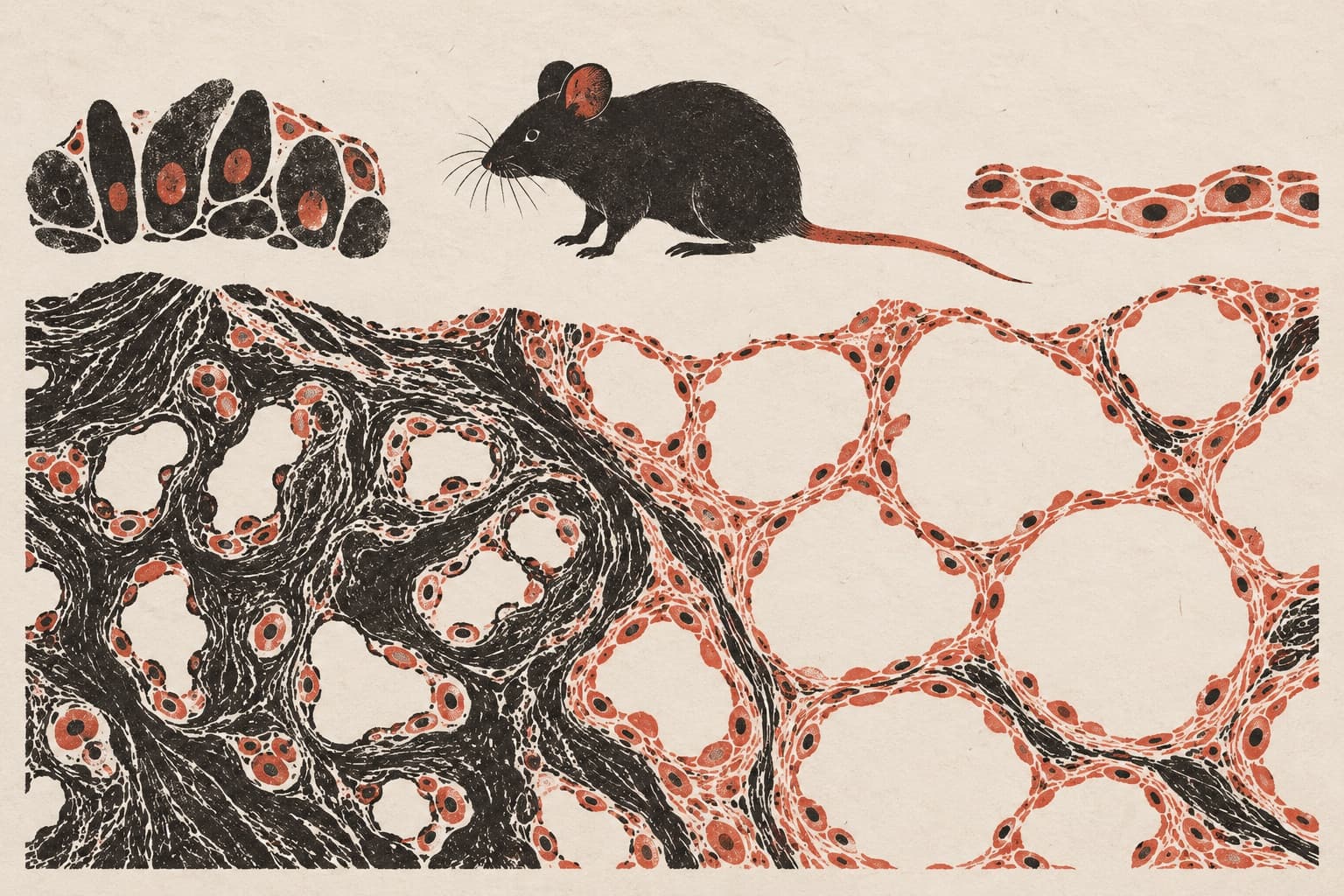
In a preprint evaluating mice and human lung cells, researchers found that rapamycin alleviates pulmonary fibrosis by suppressing epithelial cell senescence. The authors combined bioinformatic drug screens using human idiopathic pulmonary fibrosis datasets with transcriptomic and proteomic profiling of lung tissue from mice exposed to bleomycin. They validated the mechanism using bleomycin-challenged mice and human A549 lung epithelial cells. Rapamycin lowered SFN gene expression and protein levels, which restored MDM2 movement into the nucleus. This event accelerated ubiquitin-mediated degradation of p53. Interrupting this pathway halted epithelial cell senescence and slowed the progression of pulmonary fibrosis.
Why it matters
Cellular senescence in lung tissue is a major driver of age-related fibrotic disease. Clarifying how rapamycin alters p53-dependent senescence adds insight into targeting aging mechanisms to preserve organ function.
Caveats
This work is a preprint that has not yet undergone formal peer review. Results rely on an induced mouse model and cell culture rather than human clinical trials.
The paper
RAPA triggers SFN-MDM2/p53 to alleviate pulmonary fibrosis via inhibiting AECII senescence
Chinese Academy of Medical Sciences & Peking Union Medical College
Research Square · 28 Sep 2026 · Preprint, not peer-reviewed