Aging-induced immune microenvironment remodeling fosters melanoma in male mice via γδ17-Neutrophil-CD8 axis
Abstract
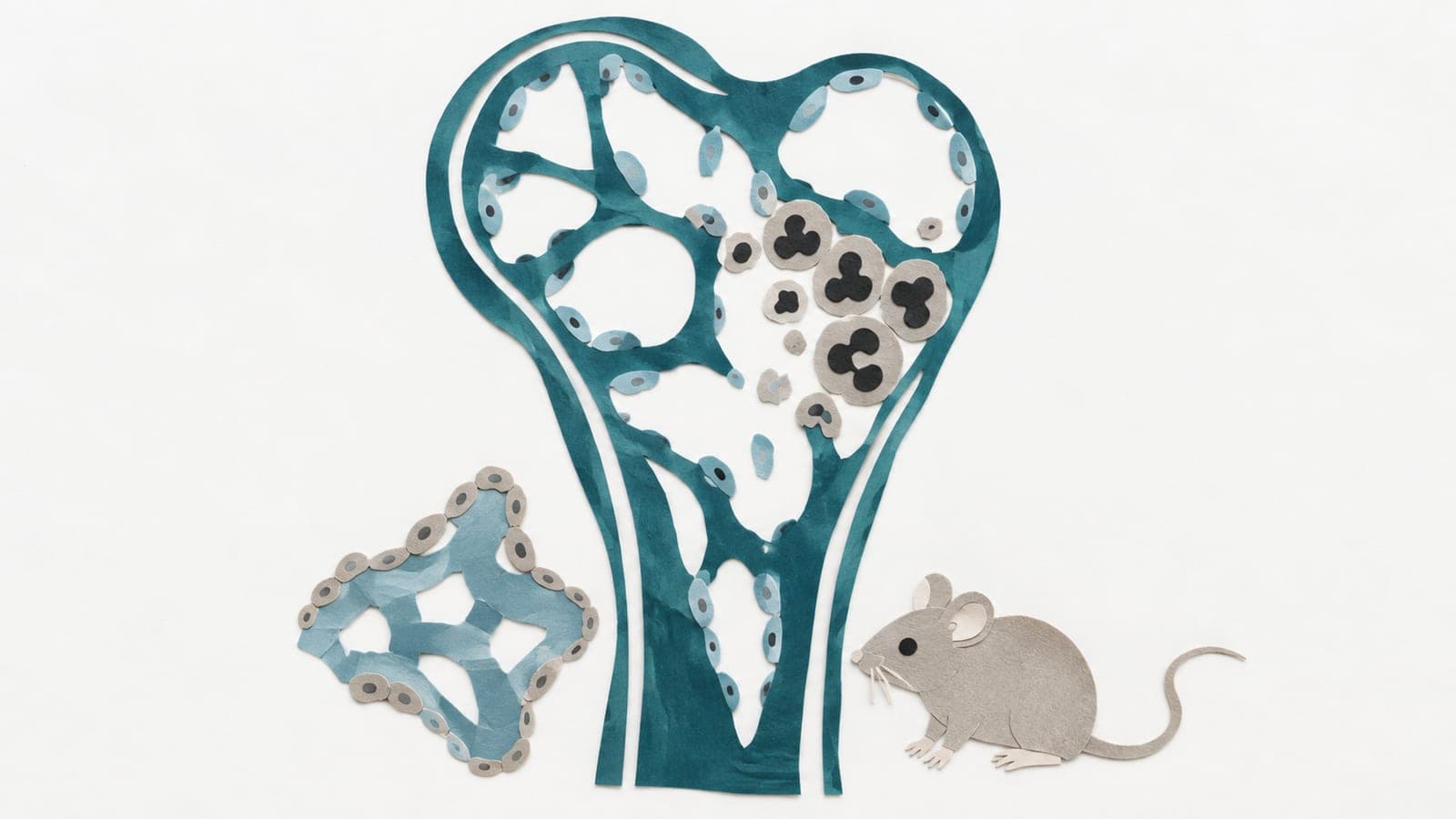
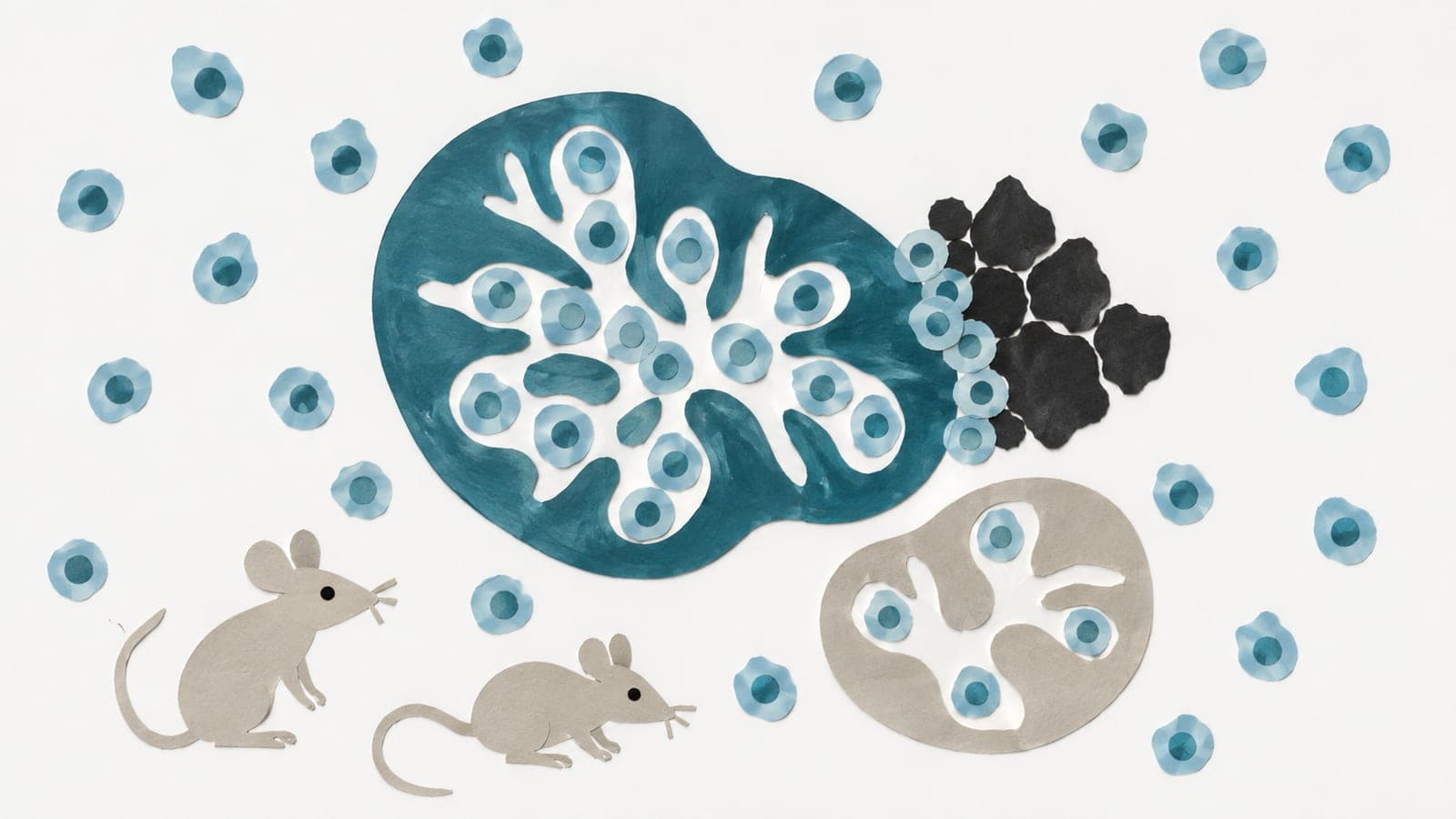
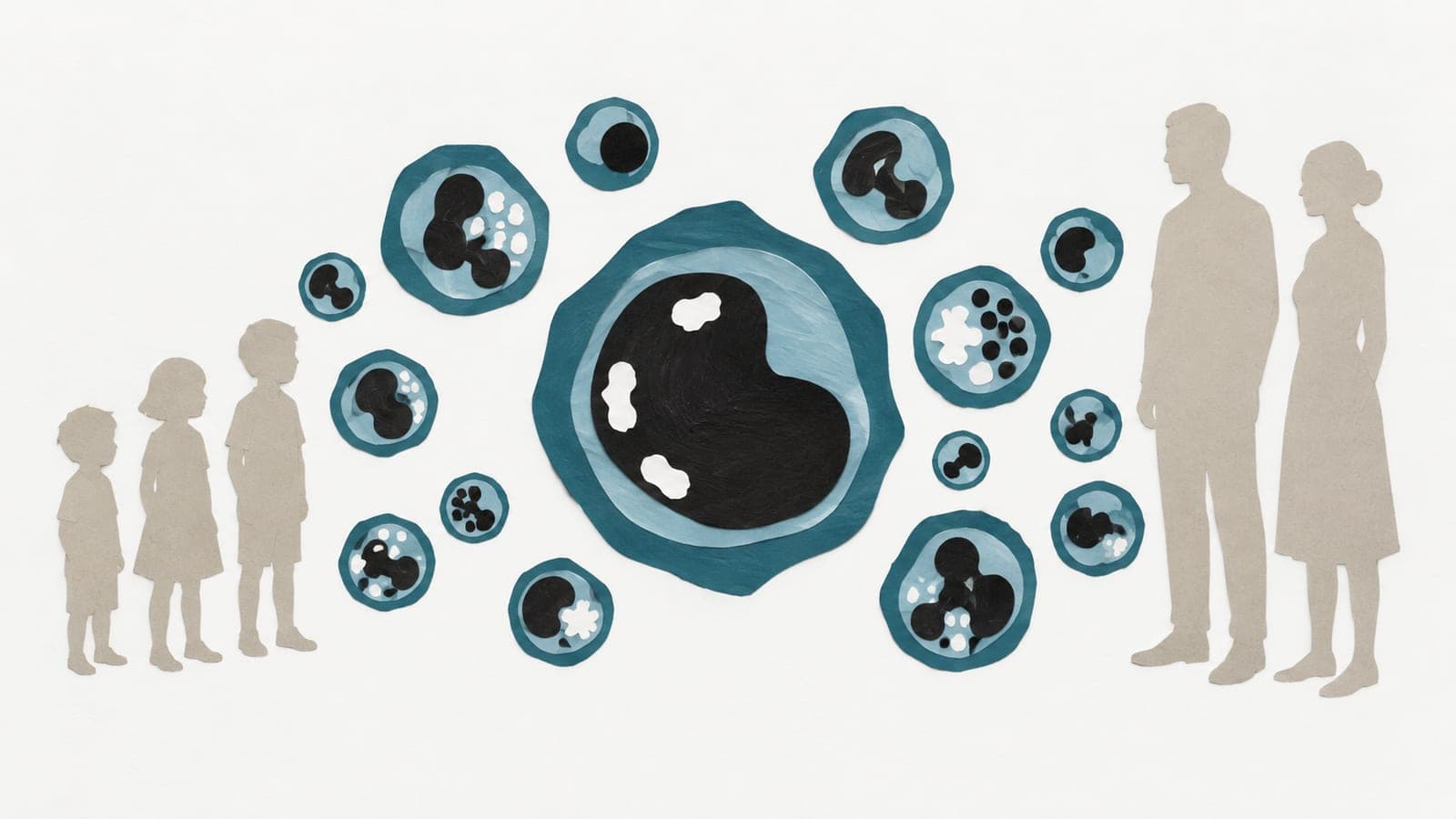
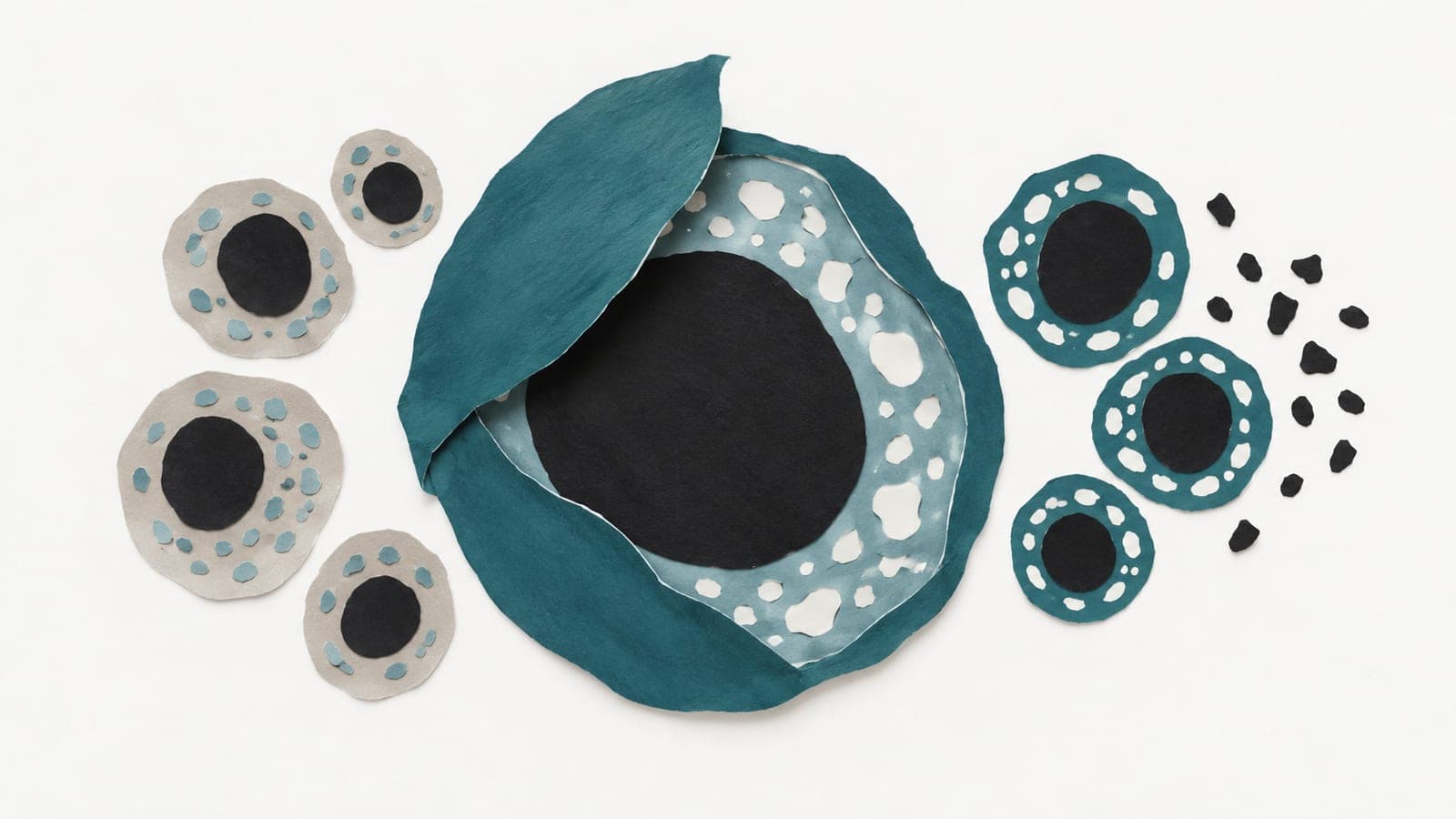
Aging is associated with increased tumor metastasis and poor prognosis. However, how an aging immune system contributes to the process is unclear. Here, single-cell RNA sequencing reveals that in male mice, aging shifts the lung immune microenvironment towards a premetastatic niche, characterized by an increased proportion of IL-17-expressing γδT (γδ17) and neutrophils. Mechanistically, age-dependent downregulation of the immune trafficking receptor S1pr1 drives the expansion of γδ17. Compared to young mice, expanded γδ17 recruit tumor-promoting neutrophils with lower expression levels of CD62L and higher levels of C-kit and CXCR4. These neutrophils suppress the stemness and tumor-killing functions of CD8+ T cells in aged male mice. Accordingly, antibody-mediated depletion of γδT or neutrophils reduces tumor metastatic foci in aged animals, and the administration of the senolytic agent procyanidin C1 reverses the observed immune-mediated, tumor-promoting effects of aging. Thus, we uncover a γδ17-Neutrophil-CD8 axis that promotes aging-driven tumor metastasis in male mice and provides potential insights for managing metastatic tumors.
- Antibody-mediated neutrophil depletion
- Antibody-mediated γδ t-cell depletion
- Cell killing (cytotoxicity)
- Immune response
- Melanoma
- Mice
The paper
State Key Laboratory of Ophthalmology; Sun Yat-sen University
Nature Communications, 30 Dec 2024, Open access