Neferine Attenuates Aging-Related Liver Dysfunction by Suppressing Cellular Aging via Mitochondrial Reactivation
Abstract
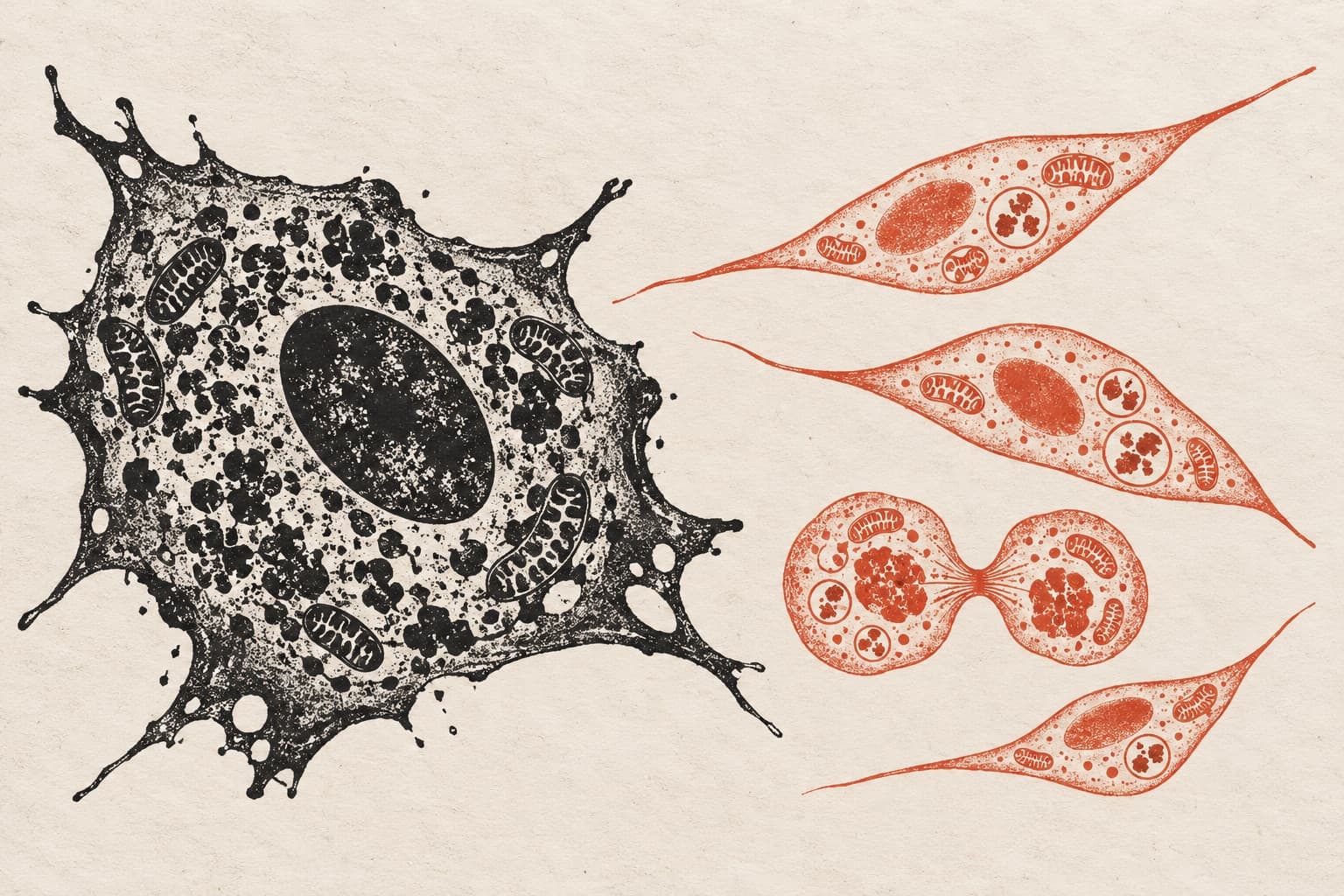
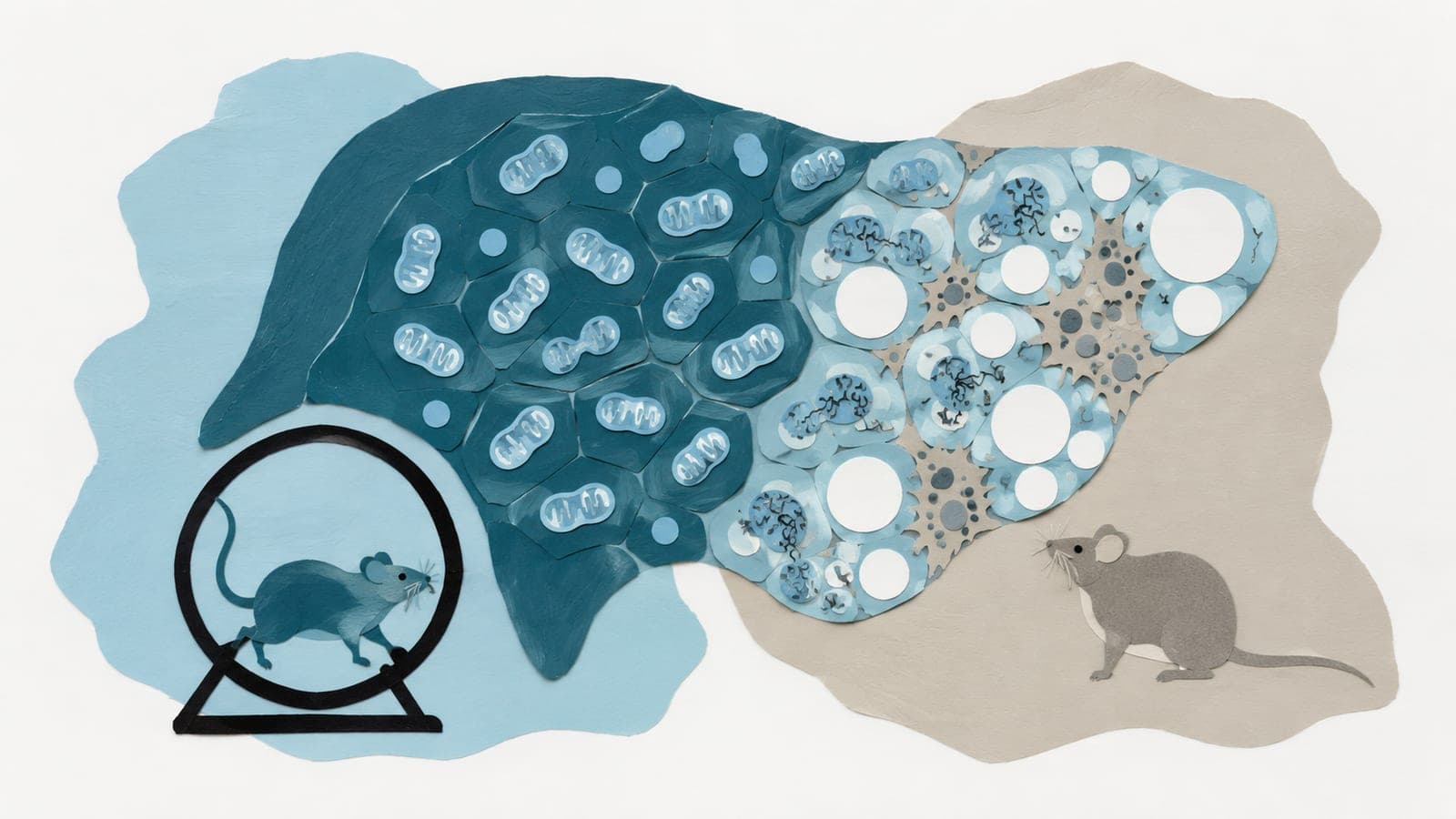
Cellular aging causes declining cell functionality, gradually disrupting cellular homeostasis. Mitochondria are crucial in numerous metabolic processes, including the electron transport chain and fatty acid β-oxidation. Mitochondrial dysfunction is closely linked to aging-related liver dysfunction because it impairs fatty acid metabolism, potentially leading to nonalcoholic fatty liver disease. We demonstrated that neferine-induced autophagy suppressed the aging phenotype in proliferative and replicative aging-induced cells and aging liver tissue by reactivating mitochondrial function. Pharmacological analyses revealed that neferine-induced autophagy via the death-associated protein kinase 1 (DAPK1) and c-Jun N-terminal kinase (JNK) signaling pathways despite the lack of AMP activated protein kinase (AMPK) signaling activation. Furthermore, neferine stimulated ATP production and β-oxidation activity in aging cells. Our in vivo experiments demonstrated that oral administration of neferine rejuvenated aging liver tissue, suppressed fatty acid accumulation in the liver, and reduced senescence-associated β-galactosidase activity. Thus, neferine rejuvenated aging cells and liver tissue by inducing autophagy to reactivate mitochondrial function.
The paper
University of Kochi
Biological & Pharmaceutical Bulletin, 1 Jan 2024