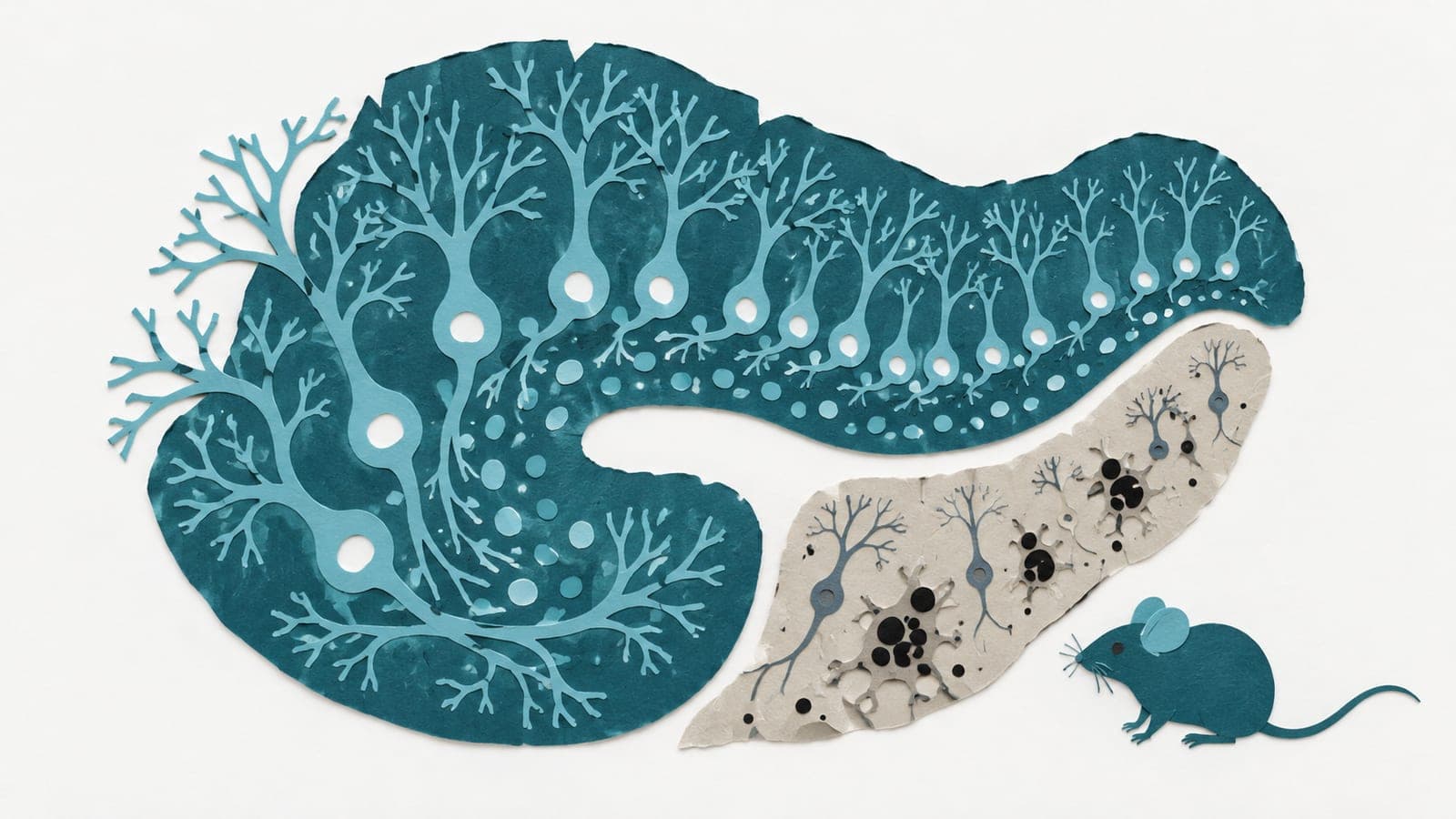
The fate of neuronal synapse homeostasis in aging, infection, and inflammation
Abstract
Neuroplasticity is the brain's ability to reorganize and modify its neuronal connections in response to environmental stimuli, experiences, learning, and disease processes. This encompasses a variety of mechanisms, including changes in synaptic strength and connectivity, the formation of new synapses, alterations in neuronal structure and function, and the generation of new neurons. Proper functioning of synapses, which facilitate neuron-to-neuron communication, is crucial for brain activity. Neuronal synapse homeostasis, which involves regulating and maintaining synaptic strength and function in the central nervous system (CNS), is vital for this process. Disruptions in synaptic balance, due to factors like inflammation, aging, or infection, can lead to impaired brain function. This review highlights the main aspects and mechanisms underlying synaptic homeostasis, particularly in the context of aging, infection, and inflammation.
The paper
Otto-von-Guericke-Universität Magdeburg; Helmholtz Centre for Infection Research
American Journal of Physiology Cell Physiology, 4 Nov 2024