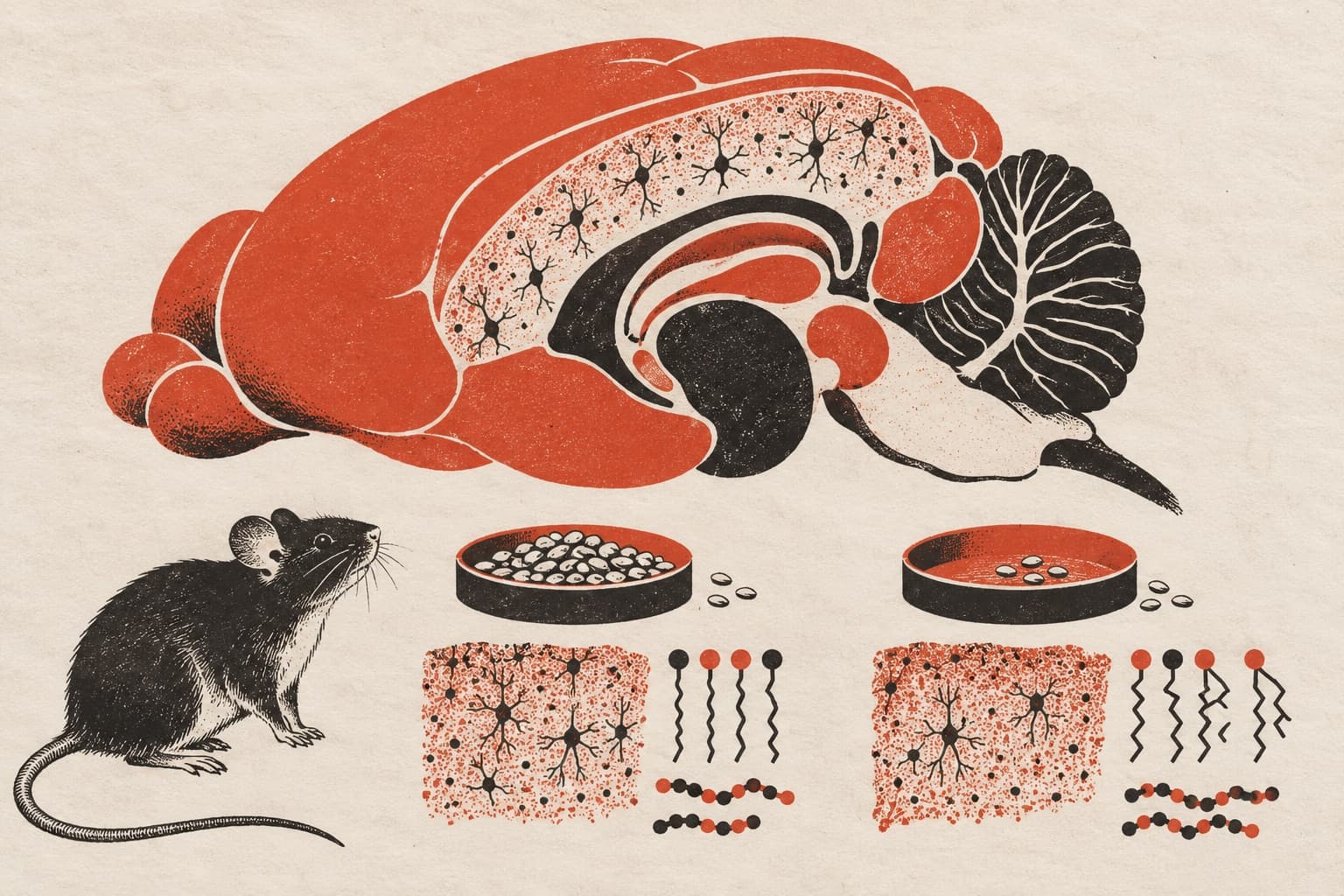
Microglial depletion triggers distinct molecular responses in male and female aged mouse brains
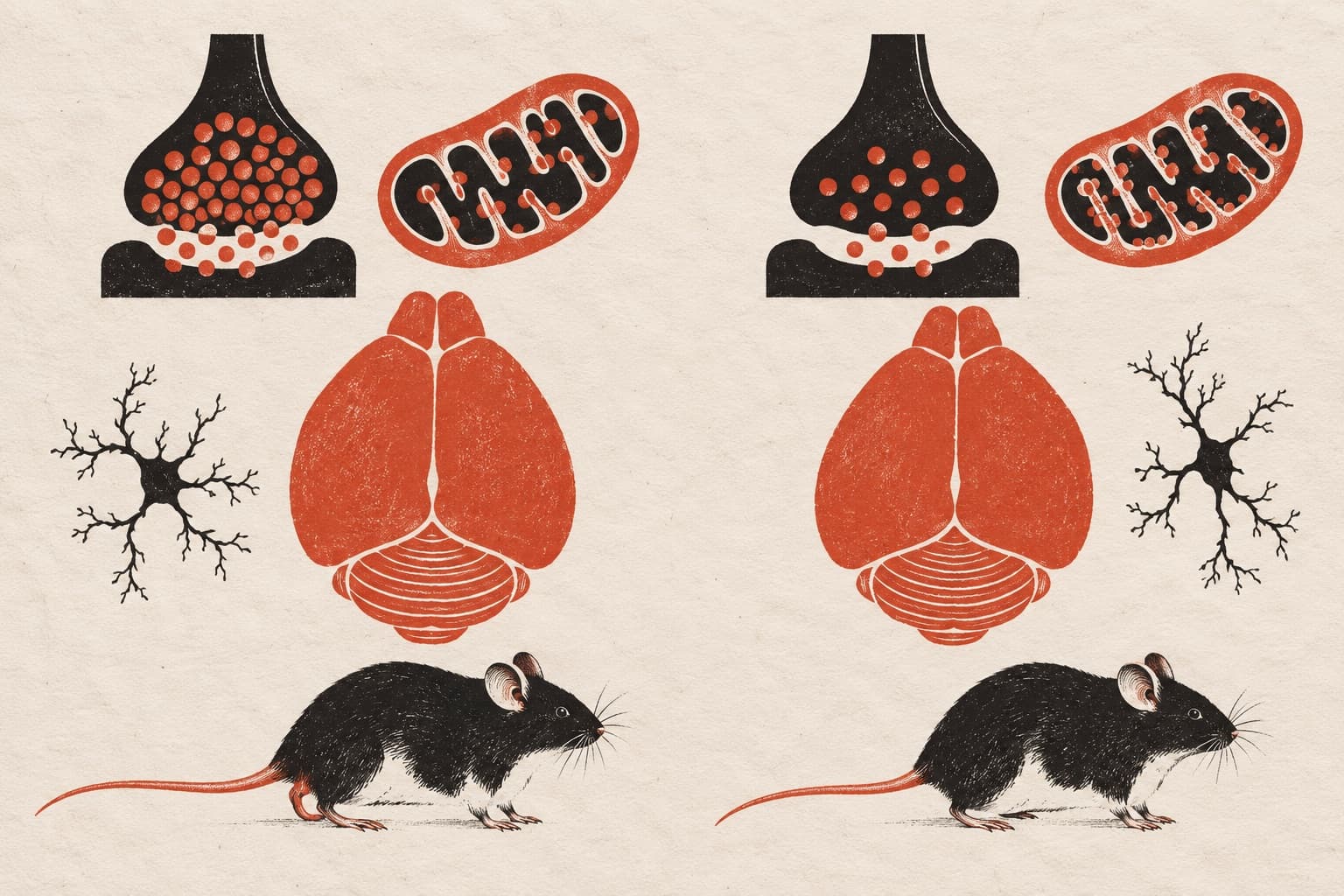
Aged male mice showed far larger proteomic shifts than females following microglial removal, including alterations in synaptic and mitochondrial proteins.
bioRxiv
In a new preprint, researchers depleted microglia in 21-month-old male and female mice using the CSF1R inhibitor PLX5622 to evaluate brain homeostasis. They analyzed the animals using microRNA profiling, spatial transcriptomics, and bulk proteomics. Microglia-enriched miRNAs, including miR-146a-5p and miR-223-3p, decreased across brain regions in both sexes. However, transcriptional and proteomic responses differed sharply between sexes. Females showed mainly cell-type-specific mRNA downregulation. In contrast, males exhibited bidirectional gene changes, including the upregulation of Lzts3, Shank3, and Fgfbp1 alongside the downregulation of Ang. Furthermore, males displayed 295 differentially expressed proteins compared to only 34 in females. In male mice, synaptic vesicle proteins increased while mitochondrial ATP synthesis machinery decreased, revealing proteomic shifts that occurred independently from mRNA alterations.
Why it matters
The findings reveal that microglia exert sex-divergent regulatory control over molecular pathways in the aging brain. Understanding these sex-specific dependencies could help clarify how male and female brains undergo distinct neurodegenerative and metabolic changes with age.
Caveats
The study was conducted exclusively in aged mice rather than humans, and the findings have not yet undergone peer review.
The paper
Show 12 more authors
Ian Hunter Guldner, Marvin Reich, Vanessa Wahl, Simon Graf, Philipp Donate, Shusruto Rishik, Esugen D. Dashdorj, Nicole Ludwig, Rolf Müller, Tal Iram, Tony Wyss‐Coray, Viktoria Wagner,Helmholtz Institute for Pharmaceutical Research Saarland
bioRxiv · 8 Sep 2026 · Preprint, not peer-reviewed