Mouse models used to test the role of reactive oxygen species in aging and age-related chronic diseases
Abstract
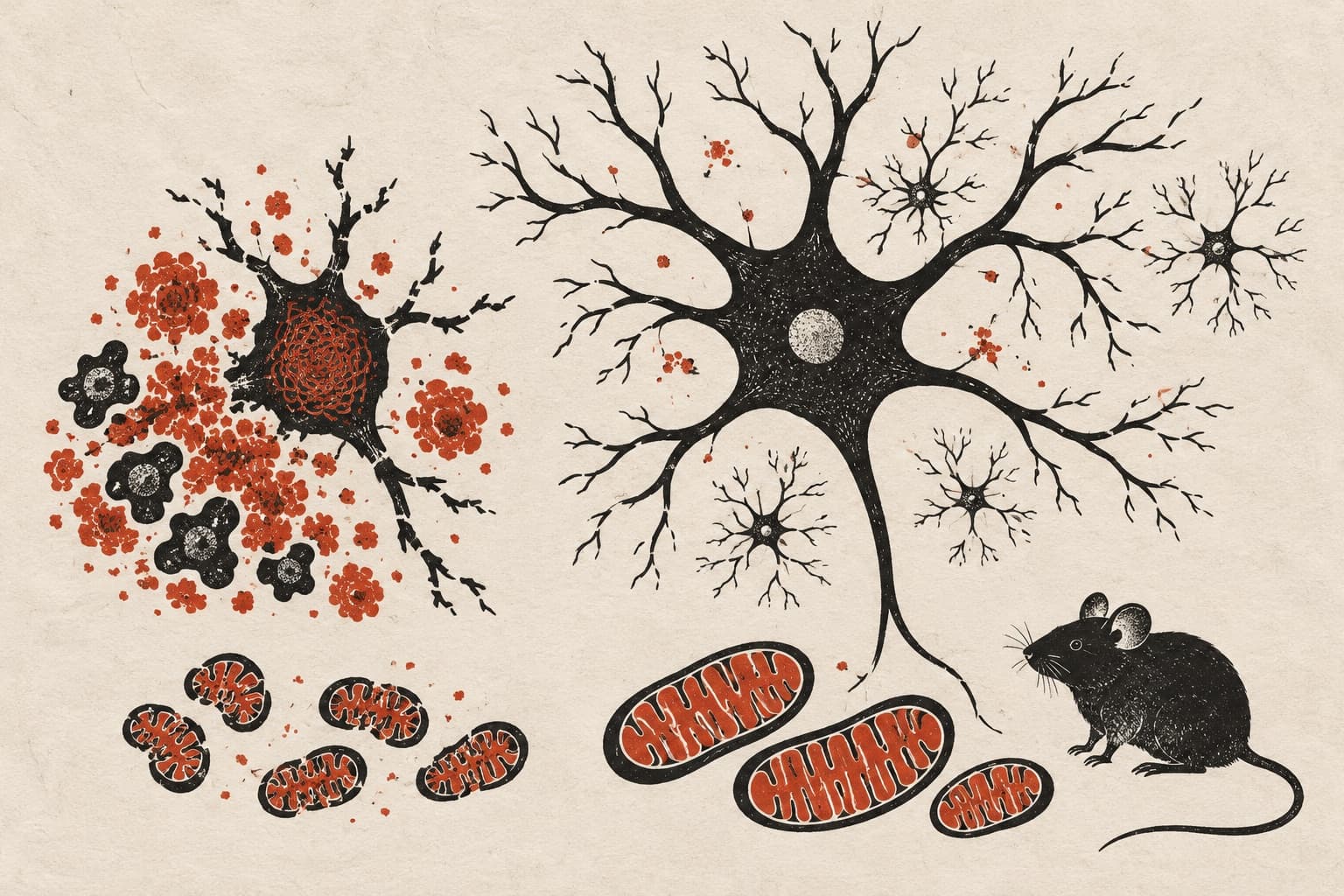
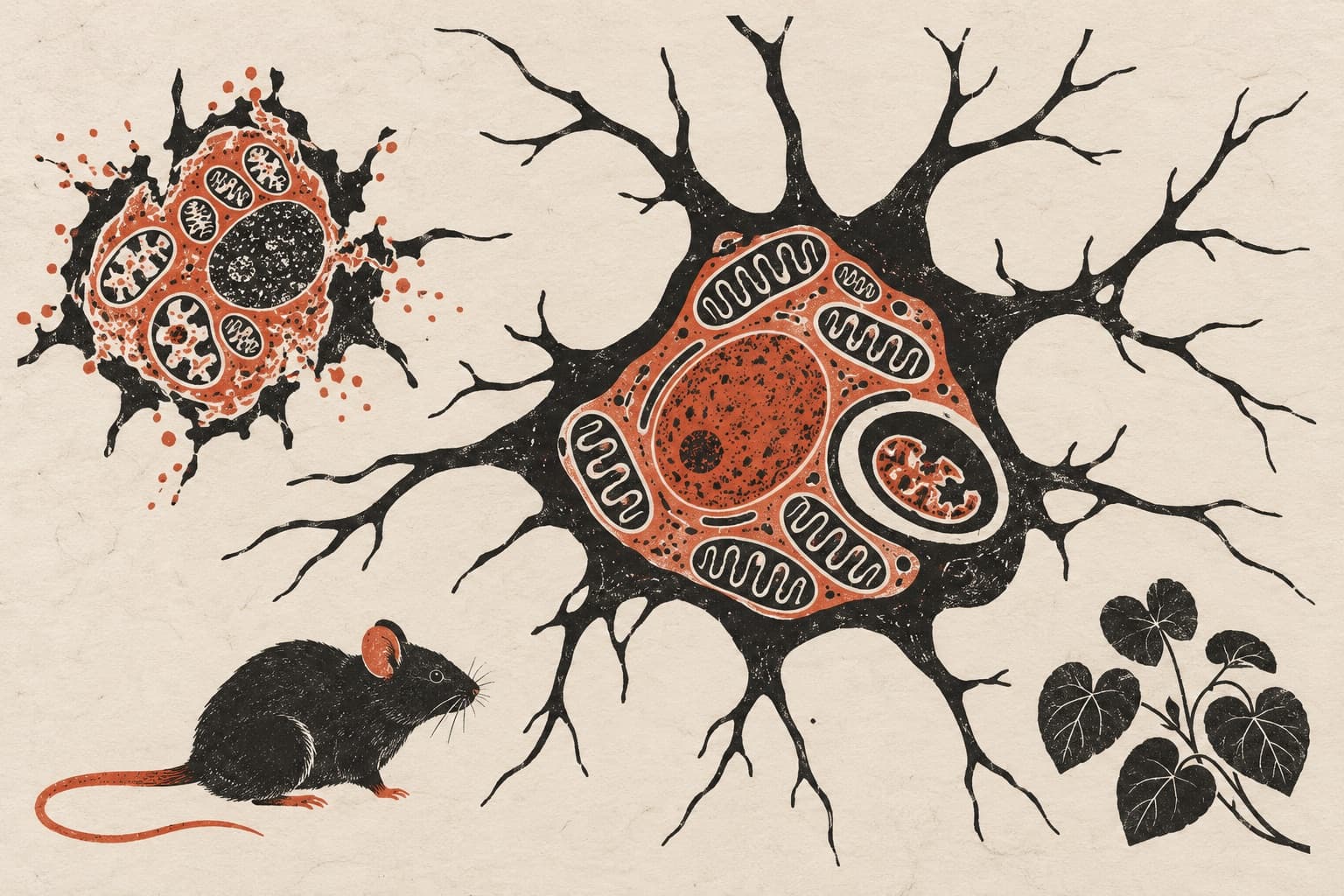
With the development of the technology to generate transgenic and knockout mice in the 1990s, investigators had a powerful tool to directly test the impact of altering a specific gene on a biological process or disease. Over the past three decades, investigators have used transgenic and knockout mouse models, which have altered expression of antioxidant genes, to test the role of oxidative stress/damage in aging and age-related diseases. In this comprehensive review, we describe the studies using transgenic and knockout mouse models to test the role of oxidative stress/damage in aging (longevity) and three age-related diseases, e.g., sarcopenia, cardiac aging, and Alzheimer's Disease. While longevity was consistently altered only by one transgenic and one knockout mouse model as predicted by the Oxidative Stress Theory of Aging, the incidence/progression of the three age-related diseases (especially Alzheimer's disease) were robustly impacted when the expression of various antioxidant genes was altered using transgenic and knockout mouse models.
- Oxidative stress and ROS signalling
- Age-related chronic diseases
- Alzheimer's disease
- Cardiac aging
- Sarcopenia
- Mice
The paper
University of Oklahoma Health Sciences Center; Oklahoma City VA Health Care System
Free Radical Biology & Medicine, 16 Oct 2024, Open access