Differential effects of calorie restriction and rapamycin on age-related molecular and functional changes in skeletal muscle
Abstract
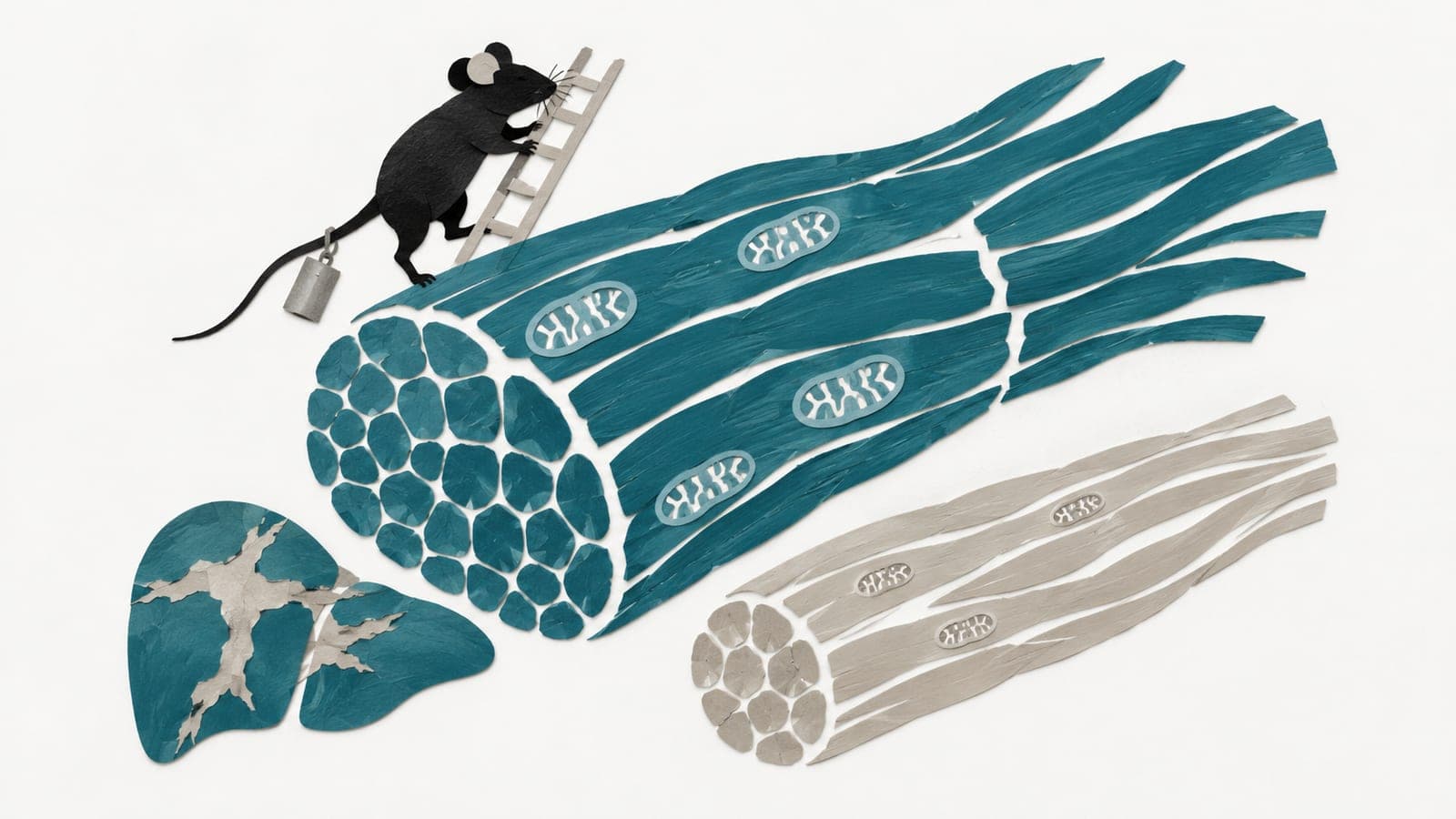
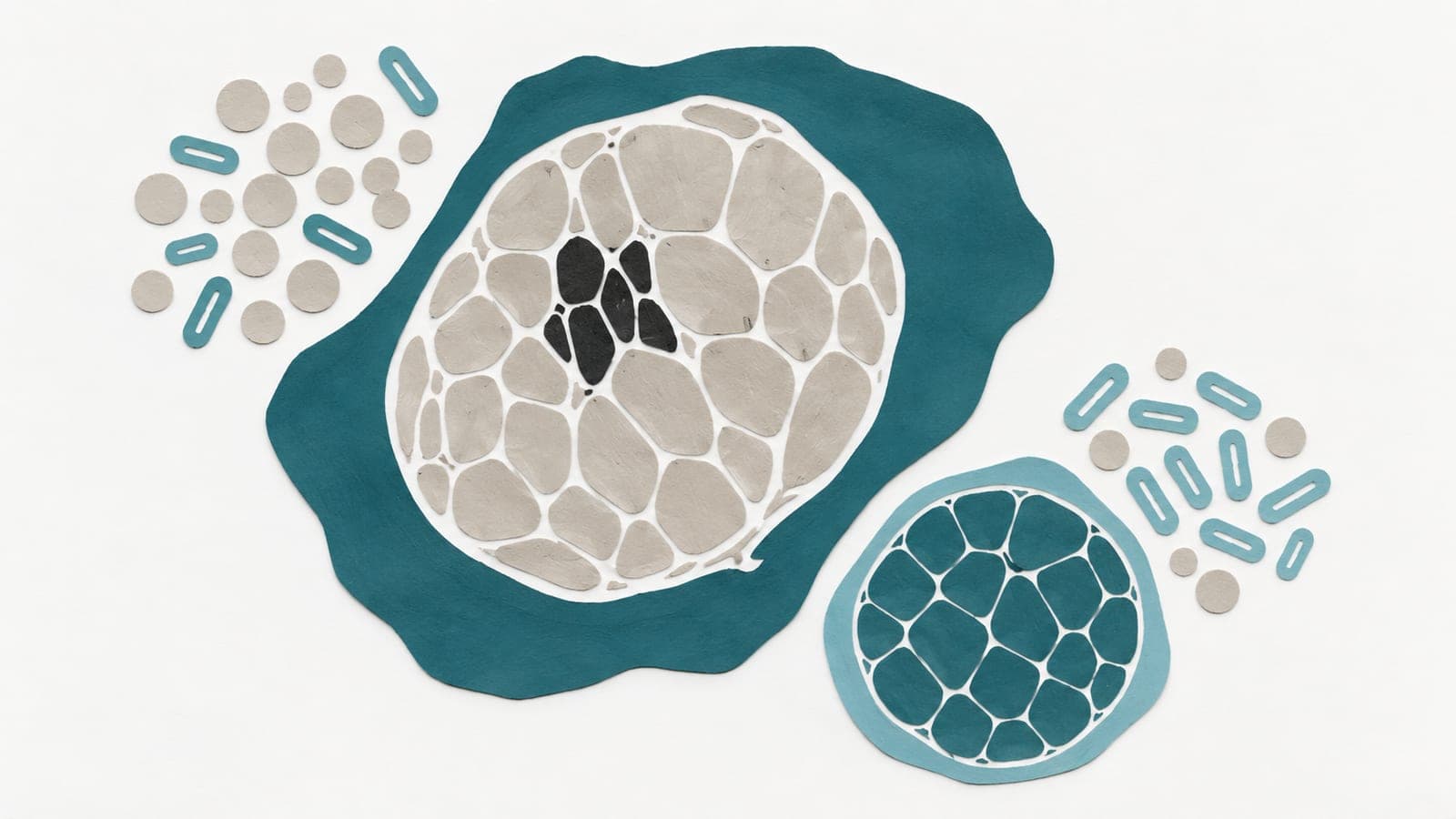
Aging is a multifactorial process associated with progressive degradation of physiological integrity and function. One of the greatest factors contributing to the deleterious effects of aging is the decline of functional ability due to loss of muscle mass, strength, and function, a condition termed sarcopenia. Calorie restriction (CR) has consistently been shown to extend lifespan and delay the onset and progression of various age-related diseases, including sarcopenia. Additional anti-aging interventions that are receiving scientific attention are CR mimetics. Of these pharmacological compounds, rapamycin has shown similar CR-related longevity benefits without the need for diet restrictions. To investigate the potential role of rapamycin as an anti-sarcopenic alternative to CR, we conducted a study in male and female C57BL/6 J mice to assess the effects of rapamycin on age-related gene expression changes in skeletal muscle associated with loss of muscle mass, strength, and function, relative to control. We hypothesize that the effects of rapamycin will closely align with CR with respect to physical function and molecular indices associated with muscle quality. Our results indicate CR and rapamycin provide partial protection against age-related decline in muscle, while engaging uniquely different molecular pathways in skeletal muscle. Our preclinical findings of the therapeutic potential of rapamycin or a CR regimen on geroprotective benefits in muscle should be extended to translational studies towards the development of effective strategies for the prevention and management of sarcopenia.
From the paper
- Limitation
First, while we performed our study with a large cohort of male and female mice, our transcriptional analysis was limited to a sample size of 5 males and ≤5 females per group.
Quoted word for word from the full text on PubMed Central.
The paper
University of North Carolina at Chapel Hill
Experimental Gerontology, 25 May 2022, Open access, accepted manuscript